Introduction
Few parts of London pack in as much drama and diversity as Southwark, on the south bank of the River Thames. From its origins as a Roman crossing point and medieval suburb, Southwark developed into London’s historic entertainment district, famous for its theatres, inns, prisons and pleasure gardens.
Just beyond the strict regulations of the City of London, Southwark became home to Shakespeare’s Globe, the Liberty of the Clink, the Bishop of Winchester’s palace, the brothels of the Winchester Geese and, later, the notorious Marshalsea Prison. Today, walking Southwark’s streets reveals a thousand years of London history, from medieval pilgrims to Victorian debtors and the Outcast Dead of Crossbones Cemetery.
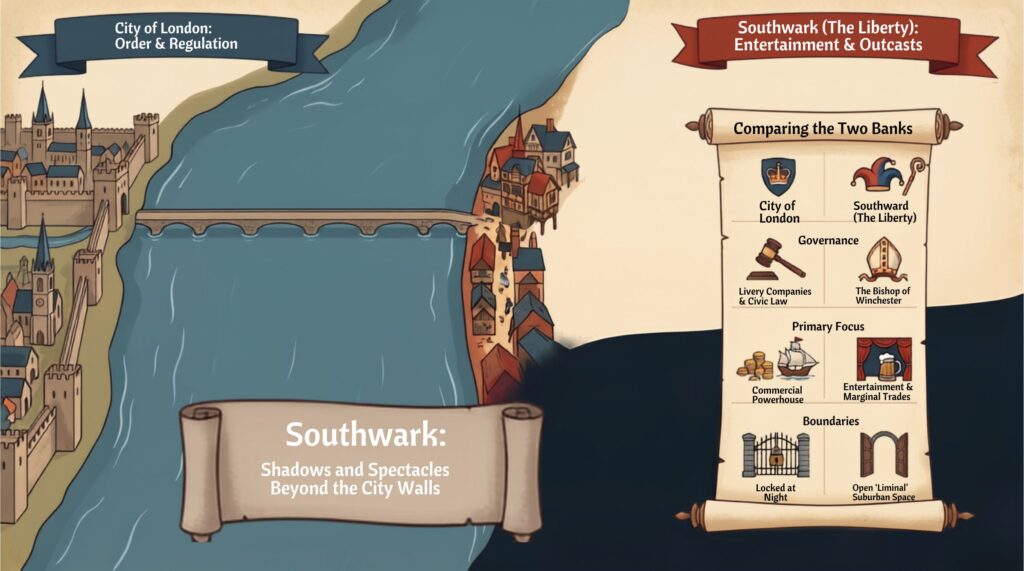
Southwark vs the City of London
During the medieval period, the City of London was England’s commercial powerhouse, controlled by powerful livery companies, strict regulations and locked city gates at night.
Southwark, however, lay just outside this tight civic control, across London Bridge in the county of Surrey. That liminal position made it a natural place for activities, entertainments and trades that were less welcome within the City walls, drawing in taverns, inns, theatres, prisons and later pleasure grounds.
Southwark’s Theatres and Entertainment
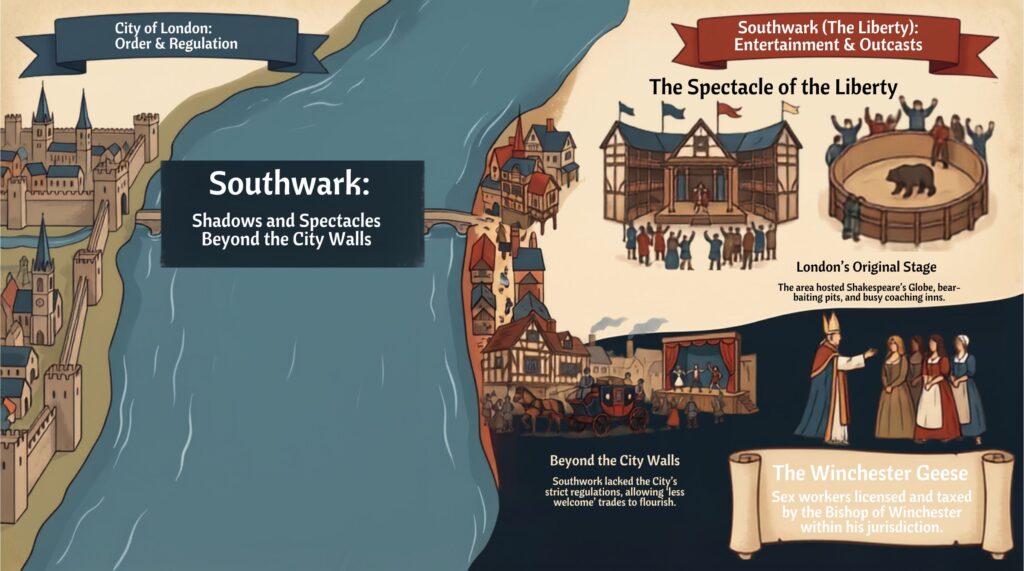
Long before the West End, Southwark and Bankside were London’s original theatre and entertainment district.
The area became home to:
– Shakespeare’s Globe Theatre
– The Rose Theatre
– Bear-baiting arenas and bull-baiting pits
– Cockfighting rings
– Busy inns and taverns serving travellers on the road to Kent and the south coast
With London Bridge as the main southern gateway, visitors poured through Borough High Street and along Bankside, where large painted signs facing the Thames competed for the attention of those arriving by boat.
The Liberty of the Clink and Winchester Palace
Much of medieval and Tudor Southwark fell within a special jurisdiction known as the Liberty of the Clink.
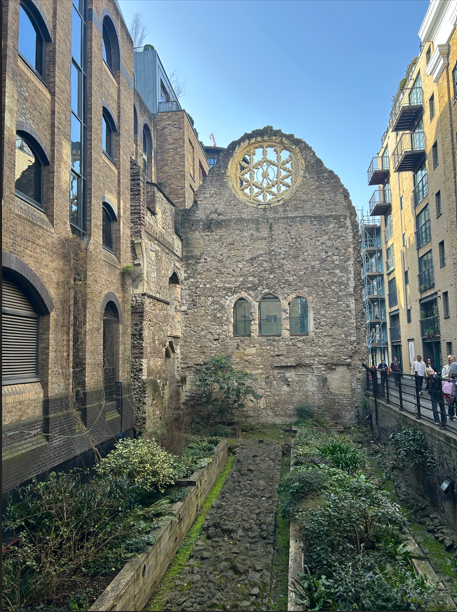
Unlike the City, this liberty was governed by the Bishop of Winchester, a powerful churchman and royal adviser who controlled estates stretching from Hampshire to Southwark. To support his work in London, Winchester Palace was built along the riverside; its surviving great hall wall and rose window still hint at its former grandeur today.
The Winchester Geese and Southwark’s Brothels
One of the most striking chapters in Southwark’s history is that of the Winchester Geese.
Within the Liberty of the Clink, the Bishop of Winchester held the authority to licence and tax brothels. The women who worked in these stews became known as the Winchester Geese, their lives tightly controlled by a set of ordinances covering behaviour, clothing and how they dealt with customers.
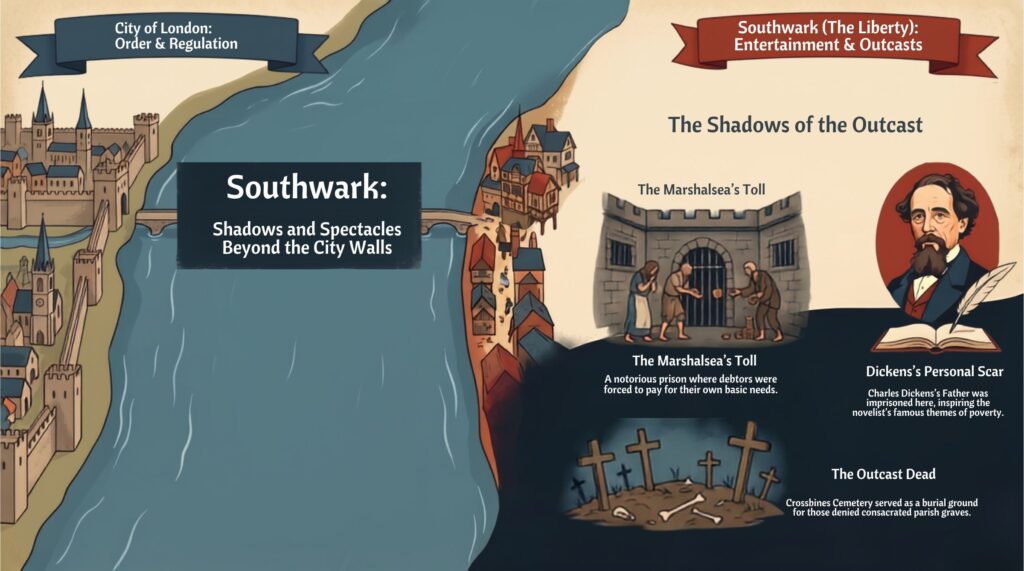
Despite the income they generated for church and state, these women were denied burial in consecrated ground. Many are believed to have been buried instead in the ground that later became known as Crossbones Cemetery, on the edge of what is now Borough.
Crossbones Cemetery and the Outcast Dead
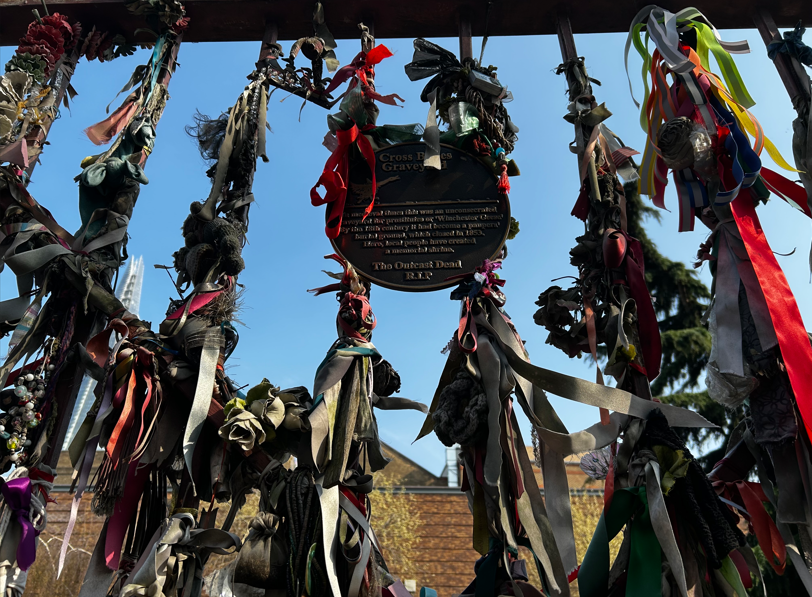
Crossbones Cemetery is one of the most poignant historic sites in Southwark.
Originally a burial place for those excluded from parish churchyards, Crossbones became associated with the Winchester Geese and with some of the poorest and most marginalised Londoners, from sex workers to paupers and plague victims. By the Victorian period, overcrowding and disease meant the small plot was packed with thousands of burials, leading to its eventual closure in the 19th century.
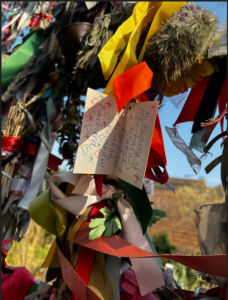
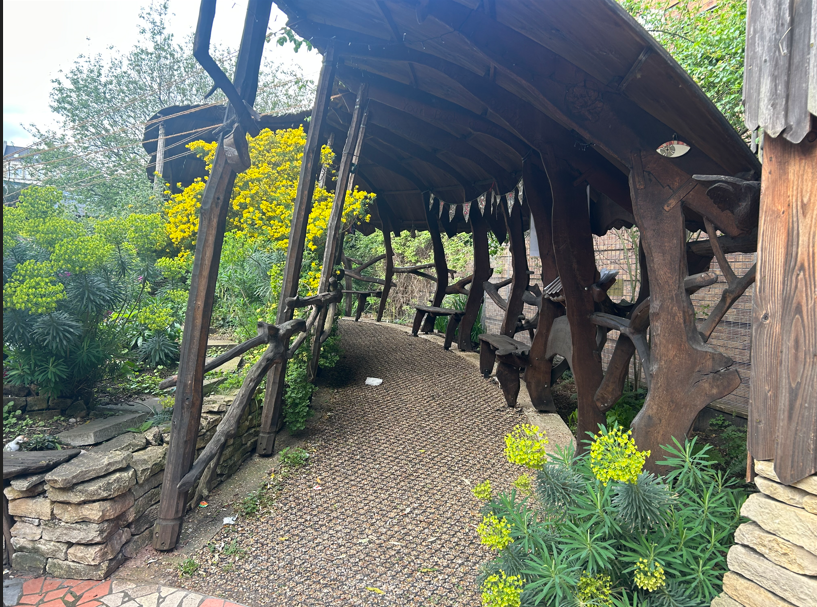
Today, Crossbones Memorial Garden stands as a moving tribute to the “Outcast Dead”, with its decorated gates, shrines and regular rituals honouring those long-forgotten lives.
Marshalsea Prison: Debt, Crime and Protest
Southwark also hosted one of London’s most notorious prisons: the Marshalsea.
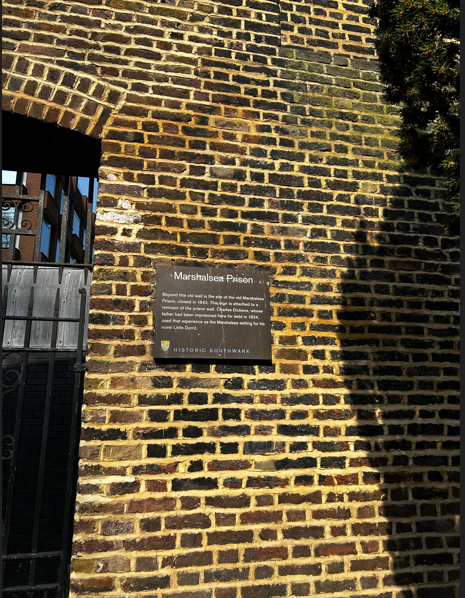
Founded in the medieval period and later rebuilt, Marshalsea Prison held debtors alongside smugglers, seafarers, political prisoners and those accused of offences against the royal household. Inmates were expected to pay for food, bedding, heating and fees, meaning that those without money suffered overcrowded, filthy conditions while better-off prisoners could purchase relative comfort.
The Marshalsea’s grim reputation became part of Southwark’s wider story of crime, punishment and protest, from the Peasants’ Revolt’s attack on the prison in 1381 to later campaigns for prison reform.
Charles Dickens, Little Dorrit and Southwark
Few writers are more entwined with Southwark history than Charles Dickens.
In 1824, Dickens’s father, John Dickens, was committed to the Marshalsea for debt. The twelve-year-old Charles was sent to work in a blacking factory to support the family, an experience that left deep scars and later shaped his fictional world. Debtors’ prisons, poverty and the stigma of debt reappear in novels such as Oliver Twist, David Copperfield, Little Dorrit and The Pickwick Papers.
In Little Dorrit in particular, Marshalsea Prison becomes almost a character in its own right. Amy Dorrit is born inside its walls, and the novel explores how both rich and poor can find themselves imprisoned by money, status and expectation as much as by stone and iron.
Exploring Southwark History on Foot Today
Modern Southwark offers an extraordinary open-air museum of London history, from Roman road junction to glass towers.
Visitors today can still explore: – The surviving wall and rose window of Winchester Palace
– Shakespeare’s Globe and Bankside’s theatre heritage
– Crossbones Memorial Garden and its gates to the Outcast Dead
– The remnant wall of Marshalsea Prison near Borough High Street
– St George the Martyr Church and Borough High Street’s coaching-inn heritage
– Historic Bankside, between London Bridge and Blackfriars Bridge
Every street reveals layers of Southwark history: Roman trade routes, medieval markets, Tudor playhouses, Georgian hospitals, Victorian industry and 20th-century social housing and regeneration.
Why Southwark History Matters
Southwark’s story is unlike anywhere else in London. From Shakespeare’s stages and the Liberty of the Clink to the Winchester Geese, Crossbones Cemetery and the Marshalsea, it shows how life flourished beyond the City’s walls – in all its creativity, hardship and resilience.
Whether you are interested in medieval entertainment, Tudor theatre, Victorian prisons or Dickensian London, Southwark offers a powerful window into how the capital’s marginal spaces helped shape its character across two thousand years.
Book a Southwark History Walking Tour
Want to experience Southwark’s history where it actually happened – among its lanes, riverside views and surviving ruins?
Join our “Southwark: Pilgrims, Playwrights and Prisoners” walking tour and explore the places where medieval pilgrims gathered, Shakespeare’s company performed, Charles Dickens found inspiration and generations of Londoners lived, worked and sought entertainment. This Southwark tour is available as a public guided walk or private tour, always with a personal touch.
🎧Listen to related podcasts:
📚Related Blog posts:
- Making a Mint in Southwark: Tudor Coinage, Debasement, and Mint Street History
- Crossbones Graveyard: A Brief Historical Overview
- Marshalsea Prison: Dickens, Little Dorrit, and the Dark Side of Southwark
- Shakespeare’s Globe Theatre
- Borough Market
- The Boot and Flogger: A Comprehensive Guide
- Octavia Hill’s Contributions to Community Development