Discover how Victorian London helped shape the modern vampire myth in this special World Dracula Day episode of the London History Podcast. From Byron and the Romantic poets to penny dreadfuls, Fleet Street publishing, Bram Stoker, and the Lyceum Theatre, explore the literary and theatrical connections that led to Dracula becoming one of the world’s most enduring Gothic creations. Journey through London’s dark streets, theatres, and literary circles while uncovering the city’s deep connections to vampires, Gothic fiction, and Victorian horror. Listen to the latest episode of the London History Podcast!

Host: Hazel Baker
Hazel is an active Londoner, a keen theatre-goer and qualified CIGA London tour guide.
She has won awards for tour guiding and is proud to be involved with some great organisations. She is a freeman of the Worshipful Company of Marketors and am an honorary member of The Leaders Council.
Channel 4: The Orient Express: A Golden Era of Travel (Episode 1). Channel 5’s Walking Wartime Britain(Episode 3) and Yesterday Channel’s The Architecture the Railways Built (Series 3, Episode 7). Het Rampjaar 1672, Afl. 2: Vijand Engeland and Arte.fr Invitation au Voyage, À Chelsea, une femme qui trompe énormément. Yesterday Channel / UKTV Play: The Architecture the Railways Built (Series 3, Episode 7). Yesterday Channel / UKTV Play: Secrets of the London Underground (Series 3, Episode 2) and Secrets of the London Underground (Series 4, Episode 10). NPO (Netherlands): Het Rampjaar 1672 – Afl. 2: Vijand Engeland. Arte France: Invitation au Voyage – À Chelsea, une femme qui trompe énormément
 Guest: David Turnbull
David Turnbull is an accredited guide with the Lambeth Tour Guides Association. A former chef, he has worked in the kitchens of numerous restaurants, clubs, and casinos across London’s West End.
For many years, David also served as a national officer for a major UK trade union, representing hotel, restaurant, and bar workers. In this role, he held positions within both the European and global trade union bodies for hospitality and tourism, giving him a deep insight into the industry and its history.
When not guiding, David enjoys exploring London’s culinary and cultural scenes, combining his love of food and history to bring stories of the city to life for his guests.
Discover how London became one of the great centres of Victorian Gothic horror and vampire literature in this special World Dracula Day episode of the London History Podcast.
In celebration of World Dracula Day on 26th May — marking the anniversary of the publication of Bram Stoker’s Dracula in 1897 — Hazel Baker is joined by Gothic writer and London guide David Turnbull to explore the city’s literary, theatrical, and supernatural vampire connections.
From Byron and the Romantic poets to penny dreadfuls, Fleet Street publishing, the Lyceum Theatre, and Dracula’s London locations, this episode traces how Victorian London helped shape the modern vampire myth.
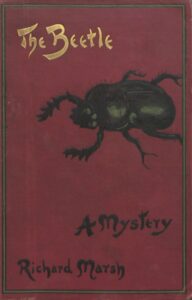
Front Cover for The Beetle – A Mystery | Written by: Richard Marsh, Public domain, via Wikimedia Commons
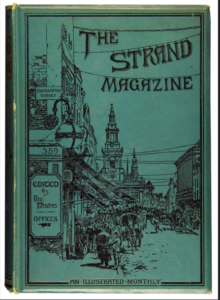
The Strand Magazine | Photo by MichaelMaggs; original artist unknown., Public domain, via Wikimedia Commons
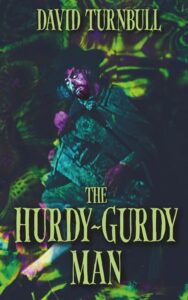
The Hurdy Gurdy Man | Written and Photo by: David Turnbull
Timestamps:
00:00 Introduction to World Dracula Day
01:00 David Turnbull and London Horror Tours
02:00 Hammer Horror and Gothic Inspiration
03:00 Origins of World Dracula Day
05:00 Whitby and Dracula Celebrations
05:45 Romantic Poets and Vampire Origins
06:30 Byron, Coleridge, and Christabel
07:40 Villa Diodati and the Ghost Story Challenge
08:30 Byron’s Fragment and Early Vampire Lore
09:20 Apocalyptic Skies and Gothic Imagination
10:00 Byron’s Piccadilly House and Dracula Connections
11:10 John Murray, Gothic Publishing, and Jekyll & Hyde
12:00 Soho, Polidori, and The Vampyre
13:10 French Stage Adaptations and Dumas
14:15 The Lyceum and Early Vampire Theatre
15:20 Frankenstein on Stage
16:00 Polidori’s Tragic End and Penny Dreadfuls
17:00 Fleet Street and Edward Lloyd’s Penny Dreadfuls
18:00 The Skeleton Count and Gothic Tropes
19:00 Varney the Vampire and Sweeney Todd
20:00 Immortality and Gothic Tragedy
22:00 Carmilla and the Lesbian Vampire
23:00 Bram Stoker, Dublin, and Henry Irving
24:30 Stoker at the Lyceum Theatre
25:20 Jekyll & Hyde, Jack the Ripper, and Victorian Horror
26:30 The Lyceum Beefsteak Room and Literary Circles
27:00 Richard Burton and Vikram and the Vampire
27:45 Professor Arminius Vambéry and Transylvanian Folklore
28:40 Stoker’s Research in the British Museum and London Library
30:00 Werewolves, Folklore, and Transylvania
31:20 Dracula’s London Locations
32:00 London Zoo, Hampstead Heath, and King’s Cross
33:00 Bram Stoker’s London Home
33:30 Was Dracula an Immediate Success?
34:00 The Beetle and Victorian Supernatural Fiction
36:00 Dracula’s Rise Through Theatre and Film
37:00 Hamilton Deane and Bela Lugosi
38:30 Dracula at the Lyceum Theatre
39:20 Guinness World Record and Dracula on Screen
40:00 Universal Studios and International Dracula Films
41:00 The Hurdy Gurdy Man and Modern Gothic Fiction
42:00 Hampstead Heath and Gothic London Inspiration
43:00 Further Listening and London Vampire Legends
44:00 Closing Thoughts and Farewell
From Romantic Poetry to Victorian Horror: How London Created Dracula
In this episode, Hazel and David trace the literary origins of the vampire long before Dracula first appeared in print. Beginning with Lord Byron, Samuel Taylor Coleridge, and the famous ghost story challenge at Villa Diodati, the discussion explores how Gothic poetry and Romantic literature helped shape the aristocratic vampire figure we recognise today.
The conversation follows the rise of early vampire fiction through John Polidori’s The Vampyre, French stage adaptations, Fleet Street penny dreadfuls, and sensational Victorian serials such as Varney the Vampire and The Skeleton Count.
Victorian London, Penny Dreadfuls, and Gothic Publishing
The episode explores the dark publishing world of Victorian London, including Fleet Street’s penny dreadful industry led by Edward Lloyd, whose serialised horror stories helped popularise Gothic fiction for mass audiences.
Hazel and David discuss:
- Varney the Vampire and its influence on Dracula
- Sweeney Todd and sensational Victorian horror
- Carmilla and the origins of the female vampire
- Fleet Street publishing culture and illustrated Gothic fiction
- Victorian fears surrounding immortality, monstrosity, and identity
Bram Stoker, the Lyceum Theatre, and Dracula’s London
The discussion then turns to Bram Stoker himself — from his early life in Dublin to his work as theatrical manager at the Lyceum Theatre under actor Henry Irving.
Listeners discover how the theatrical world of Victorian London shaped Dracula, including:
- The influence of Henry Irving
- Gothic stage productions at the Lyceum
- Literary dinners in the Beefsteak Room
- Encounters with explorer Richard Burton
- Professor Arminius Vambéry and Transylvanian folklore
- Stoker’s research at the British Museum and London Library
The episode also explores Dracula’s London geography, including Piccadilly, King’s Cross, Hampstead Heath, Walworth, London Zoo, and Stoker’s own London home in Chelsea.
Dracula’s Legacy: Stage, Film, and Popular Culture
Hazel and David examine how Dracula evolved from a moderately successful Victorian novel into the world’s most portrayed literary character through stage adaptations, cinema, and international film.
The episode covers:
- Hamilton Deane’s Dracula stage play
- Bela Lugosi and Universal’s 1931 Dracula
- Nosferatu and legal disputes
- The rise of horror cinema
- Dracula’s Guinness World Record for screen portrayals
- International Dracula films and adaptations
The Hurdy Gurdy Man and Modern Gothic London
David also discusses his own Gothic London novel, The Hurdy Gurdy Man, inspired by Victorian horror traditions and set across Piccadilly and Hampstead Heath.
The novel draws on themes familiar to Dracula readers — mesmerism, aristocratic menace, imprisonment, and supernatural terror in London settings.
Listen to the Episode & Explore Gothic London
Listen to Episode 159 – “World Dracula Day: London’s Vampire Connections from Byron to Bram Stoker” on the London History Podcast to explore:
- Romantic poets and early vampire lore
- Penny dreadfuls and Victorian Gothic fiction
- Bram Stoker and the Lyceum Theatre
- Dracula’s London locations
- Victorian stage horror and cinema
- The evolution of the vampire myth in popular culture
Walk Gothic London with David and Hazel
Want to explore London’s darker literary history in person?
Walk London with Hazel and David
Join Hazel and David on a London history walking tour exploring Gothic fiction, Victorian horror, monsters, myths, and the real streets behind Dracula and Jekyll & Hyde.
🎟 Book public walks or private tours:
londonguidedwalks.co.uk
🎧Related Podcast Episodes:
Episode 142: Monsters and Myths of London