Discover the transformation of Finsbury Circus from marshland on the edge of the City of London to a modern urban green space at the heart of the Square Mile. Explore how centuries of development, planning, and reinvention shaped this iconic location into a key part of London’s financial district. Listen to the latest episode of the London History Podcast!
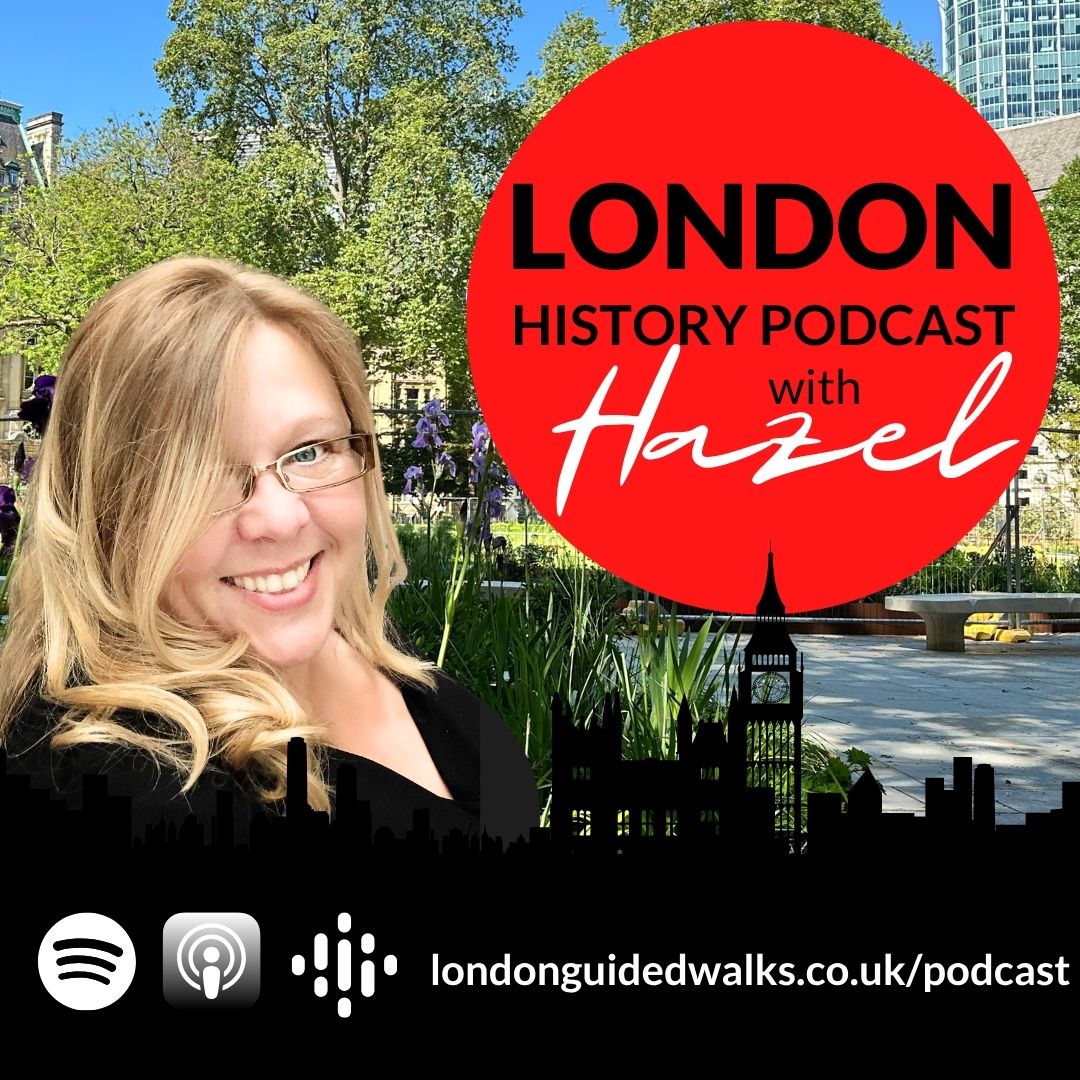

Host: Hazel Baker
Hazel is an active Londoner, a keen theatre-goer and qualified CIGA London tour guide.
She has won awards for tour guiding and is proud to be involved with some great organisations. She is a freeman of the Worshipful Company of Marketors and am an honorary member of The Leaders Council.
Channel 4: The Orient Express: A Golden Era of Travel (Episode 1). Channel 5’s Walking Wartime Britain(Episode 3) and Yesterday Channel’s The Architecture the Railways Built (Series 3, Episode 7). Het Rampjaar 1672, Afl. 2: Vijand Engeland and Arte.fr Invitation au Voyage, À Chelsea, une femme qui trompe énormément. Yesterday Channel / UKTV Play: The Architecture the Railways Built (Series 3, Episode 7). Yesterday Channel / UKTV Play: Secrets of the London Underground (Series 3, Episode 2) and Secrets of the London Underground (Series 4, Episode 10). NPO (Netherlands): Het Rampjaar 1672 – Afl. 2: Vijand Engeland. Arte France: Invitation au Voyage – À Chelsea, une femme qui trompe énormément
From Finsbury Circus Gardens in the City of London, Hazel Baker traces over 400 years of change from medieval marshland created by the city wall’s impact on the Walbrook, through Roman burials, waste dumping, and tanning, to the successful draining of Moorfields in 1527. The episode highlights winter recreation on frozen marshes, including a 1173 description of bone-skate skating, and the later construction of Bethlehem Royal Hospital (“Bedlam”) in 1675–76, designed by Robert Hooke, before its demolition in 1814–15. It then follows the creation of the Georgian oval Finsbury Circus (Dance and Montague), its initially private gardens, religious institutions and an 1825 chapel project marked by a fatal fall of workman Peter Neal, and unrealized plans to memorialize Spanish liberal Rafael del Riego. The area became a medical quarter including Moorfields Eye Hospital, then shifted to office development, notably Lutyens’ Britannic House with 1924 sculptures by Francis Derwent Wood. The gardens became fully public after the 1900 Act, gained later features, were tunneled by railways, disrupted by Crossrail from 2012, and reopened restored in 2025.
Timestamps:
00:00 Welcome to Finsbury Circus
01:18 Medieval Fenland Origins
02:07 Frozen Moorfields Skating
03:20 Romans Waste and Tanners
04:03 Draining the Moorfields
04:43 Bedlam on the Marsh
05:57 Birth of the Georgian Circus
07:47 Private Gardens and Promenades
08:49 Chapels Scandal and Tragedy
11:35 Radicals and Riego Monument
15:35 Doctors and Moorfields Eye
16:49 Offices Replace Townhouses
18:24 Britannic House and Sculptures
21:55 Gardens Open to the Public
23:53 Tunnels Crossrail and Reopening
25:15 What the Circus Reveals
27:49 Closing Thoughts and Farewell
From Fenland to Financial Hub: The Story of Finsbury Circus Gardens and 400 Years of Transformation in the City of London
Episode 158 – London History Podcast with Hazel Baker
Discover how a forgotten stretch of marshland on the edge of the City of London became one of its most elegant Georgian squares and later a modern financial district green space.
In this episode of the London History Podcast, qualified London tour guide Hazel Baker takes you inside Finsbury Circus Gardens to trace over 400 years of change — from medieval fenland and Roman activity to Georgian planning, Victorian medicine, and modern redevelopment.
Finsbury Circus Gardens: From Marshland to City Square
We begin in the area once shaped by the Walbrook and the city wall, where medieval marshland, Roman burials, tanning pits, and waste dumping all defined the landscape. By 1527, Moorfields had been successfully drained, transforming the area into usable ground on the edge of the growing City.
In winter, the frozen marshes became a place of recreation, with records from 1173 describing early skating using bone skates — a rare glimpse into medieval leisure life in London.
Bedlam and the Medical City
The story moves to the construction of Bethlem Royal Hospital in 1675–76, designed by Robert Hooke. Known as “Bedlam”, it stood as a powerful symbol of attitudes towards mental health before its demolition in the early 19th century.
This period marks the transformation of the area into a medical and institutional quarter, later including Moorfields Eye Hospital.
Georgian Vision: The Creation of the Circus
We then follow the creation of Finsbury Circus, designed by George Dance and James Montague as London’s first Georgian circus. Originally private gardens, it became a refined residential and social space with planned promenades and elite institutions.
The 19th century brought ambition, controversy, and change — including chapel plans, construction accidents, and unrealised memorial projects such as a tribute to Spanish liberal Rafael del Riego.
From Medicine to Modern Offices
As London evolved, the area shifted again into a professional and medical district before being reshaped by large-scale office development. A key example is Britannic House, designed by Lutyens, featuring 1924 sculptures by Francis Derwent Wood.
By 1900, the gardens were opened to the public, marking a major shift in access and use.
Modern Disruption and Renewal
The 20th and 21st centuries brought rail tunnelling, redevelopment, and disruption through Crossrail works beginning in 2012. After years of closure and change, the gardens finally reopened in 2025, restored as a public green space in the heart of the City.
Listen to the Episode & Explore the City
Listen to Episode 158 – “From Fenland to Financial Hub: The History of Finsbury Circus Gardens” on the London History Podcast to explore:
- Medieval marshland and Roman activity
- Skating on frozen Moorfields
- The rise and fall of Bedlam
- Georgian urban design and private gardens
- Victorian medical institutions
- Modern office development and Crossrail transformation
Walk London with Hazel
Want to explore the City’s history on foot?
Join Hazel on a London history walking tour to discover how landscapes like Finsbury Circus shaped London’s development from medieval times to the present day.
🎟 Book public walks or private tours:
londonguidedwalks.co.uk