A Small Plaque, A Big Revolution
Walk along Hanbury Street in Spitalfields today and you may notice a modest plaque commemorating an extraordinary moment in British history. It marks the story of the Matchstick Girls Strike of 1888, when 1,400 women and girls took a stand against dangerous working conditions, poverty wages, and workplace injustice.
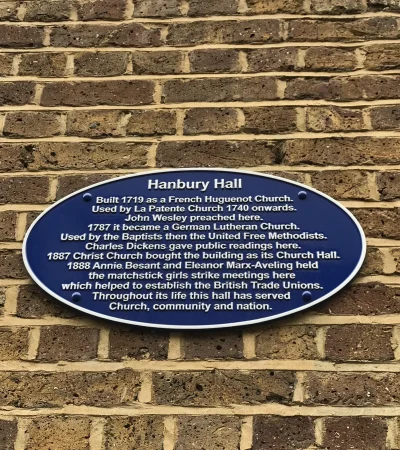
What began as a protest inside a London match factory became a turning point in the British labour movement. These young workers challenged one of Victorian London’s most powerful employers and helped reshape the future of trade unionism.
Set against the backdrop of the East End during the Industrial Revolution, their story remains one of the most remarkable examples of collective action and women’s activism in British history.
Why the Matchstick Girls Strike Matters
The strike is remembered as a landmark event because it:
- Became the first major strike led by previously unorganised women workers.
- Exposed the devastating health effects of white phosphorus.
- Led to the creation of one of Britain’s largest women’s trade unions.
- Inspired later industrial action, including the famous Dock Strike of 1889.
- Demonstrated the growing power of working-class women in Victorian society.
The Young Women Behind the Match Factories
The workers known as the “matchgirls” were largely young women and teenage girls, many only thirteen or fourteen years old. A significant number came from Irish immigrant families living in the overcrowded streets of London’s East End.
Despite their essential role in Britain’s expanding industrial economy, they endured some of the lowest wages and most hazardous working environments in Victorian London. Their labour powered a profitable industry, yet their welfare was largely ignored.
The Rise of Trade Unions in Victorian Britain
The nineteenth century witnessed profound social and economic change as Britain’s factories expanded rapidly during the Industrial Revolution.
Workers increasingly organised to challenge poor treatment and demand:
- Fairer wages
- Safer workplaces
- Legal recognition of collective bargaining
Important milestones included the founding of the Trade Union Congress (TUC) in 1868 and the passing of the Trade Union Act 1871, which granted unions legal recognition.
Although employers and governments often resisted these developments, the trade union movement steadily gained influence and laid the foundations for modern workplace rights.
Women Demand a Voice in the Workplace
While trade unions were becoming more established, many remained dominated by men and often excluded female workers.
In response, women began creating their own organisations to campaign for:
- Better pay
- Improved working conditions
- Equal treatment within the workforce
One of the most influential groups was the Women’s Trade Union League, founded by Emma Paterson. Its work helped encourage greater participation by women in labour activism and provided vital support to workers seeking reform.
Inside Bryant and May: Life in London's Match Factories
The Bryant and May factory in Bow was one of the largest match manufacturers in Britain. Thousands of workers passed through its doors, many of them young women and girls.
Conditions inside the factory were notoriously harsh. Workers faced:
- Long hours for very low pay
- Financial penalties for minor infractions
- Strict workplace discipline
- Constant exposure to toxic chemicals
The greatest danger came from white phosphorus, a substance used in match production. Prolonged exposure could cause “phossy jaw”, a painful and disfiguring condition in which the jawbone gradually deteriorated.
The factory became one of the most controversial examples of industrial exploitation in Victorian London.
Annie Besant Brings the Truth to Light
Public awareness of conditions at Bryant and May increased dramatically after journalist, social reformer, and campaigner Annie Besant published an article in The Link.
Her investigation revealed:
- The exploitation of women workers
- Dangerous factory conditions
- The contrast between worker poverty and company profits
The article attracted widespread attention and placed significant pressure on the factory’s management.

Annie Beasant | Photo by London Stereoscopic Company, Public domain, via Wikimedia Commons | Photo credits Commons.Wikimedia
Besant’s involvement went far beyond journalism. She advised the workers, helped organise strike meetings, managed the strike fund, and used her public profile to ensure their concerns were heard by politicians and the wider public.
Her support transformed a local dispute into a nationally recognised campaign for workplace reform.
🎧 Listen to our podcast episode about Annie Besant's life and work here:
The Walkout That Stopped a Factory
Tensions reached breaking point when workers were pressured to deny reports about conditions inside the factory. Many refused and several were dismissed.
The response was immediate.
On 15 July 1888, approximately 1,400 women and girls walked out of Bryant and May’s factory. Production was severely disrupted as workers gathered at Hanbury Hall on Hanbury Street and organised meetings to coordinate their campaign.
The strikers even marched to Parliament to present their case, attracting national attention and public sympathy.
The Matchstick Girls Strike had begun.
Victory in Just Two Weeks
The strike lasted less than a fortnight, but its impact was enormous.
Bryant and May eventually agreed to a number of the workers’ demands, resulting in:
- Improved wages
- Better working conditions
- Fairer workplace practices
- The establishment of the Union of Women Match Workers
Sarah Chapman emerged as one of the movement’s leading figures and was elected as the union’s president.
The success demonstrated that even workers with little formal power could achieve meaningful change through collective action.
From East London to National Reform
The victory of the Matchstick Girls helped fuel the growth of “New Unionism”, a movement focused on organising unskilled and low-paid workers.
The strike’s success encouraged other groups to take action, most notably during the London Dock Strike of 1889.
In the decades that followed, organised labour gained increasing political influence, contributing to wider social reforms and eventually helping shape the emergence of the Labour Party.
The achievements of the Matchstick Girls extended far beyond their factory gates.
The Lasting Legacy of the Matchstick Girls
More than a century later, the Matchstick Girls Strike remains one of the defining moments in British social history.
Its legacy includes:
- Strengthening the trade union movement
- Advancing workplace safety reforms
- Demonstrating the power of organised labour
- Highlighting the contribution of women to social change
- Inspiring future generations of campaigners and reformers
The strike showed that determination, unity, and courage could challenge even the most powerful institutions.
Why Their Story Still Resonates Today
The Matchstick Girls Strike is not simply a story about factory workers in Victorian London. It is a story about ordinary people demanding dignity, fairness, and respect.
These young women transformed their own lives and helped shape the workplace protections that many people benefit from today.
Their achievement remains one of London’s most inspiring examples of collective action, proving that lasting change often begins with those whose voices are least expected to be heard.
FAQ: Frequently Asked Questions
When was the Matchstick Girls Strike?
The strike took place in July 1888.
What were the working conditions like at the Bryant and May factory?
Conditions were harsh, including long hours, low pay, and exposure to toxic white phosphorus, which caused a devastating condition known as “phossy jaw.”
What was the main outcome of the strike?
The strike was successful, resulting in improved wages and working conditions, and the establishment of the Union of Women Match Workers.
Who was Sarah Chapman?
Sarah Chapman was a strike leader who was elected as the first president of the newly formed Union of Women Match Workers.
Discover More Women’s History in London
If you would like to explore more powerful stories of women who shaped British society, book our Suffragette Private Tour in London.
Walk through the streets where activists fought for equality and uncover the stories that helped change the course of British history.