Introduction
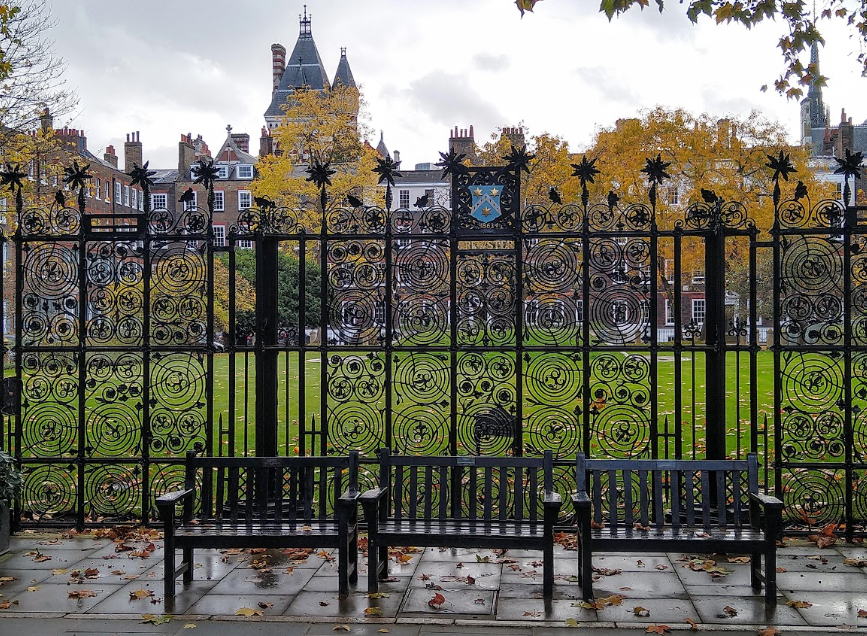
Tucked away just moments from the bustle of Chancery Lane, Lincoln’s Inn offers a tranquil retreat into the heart of legal London. As one of the capital’s four historic Inns of Court, this picturesque estate blends centuries of vibrant legal tradition with stunning Tudor and Victorian architecture. Whether you are a history enthusiast, an architecture admirer, or simply seeking a quiet corner of London to explore, Lincoln’s Inn provides a fascinating look into the city’s storied past.
What Are the Inns of Court?
The Inns of Court are the professional associations for barristers in England and Wales. Every barrister must belong to one of the four Inns: Lincoln’s Inn, Inner Temple, Middle Temple, or Gray’s Inn. Originating in the 14th century, these institutions historically provided accommodation, dining, and legal education for aspiring lawyers. Today, they continue to hold the sole right to call student members to the Bar, while maintaining beautiful grounds, historic libraries, and ancient dining halls.
History and Architecture of Lincoln’s Inn
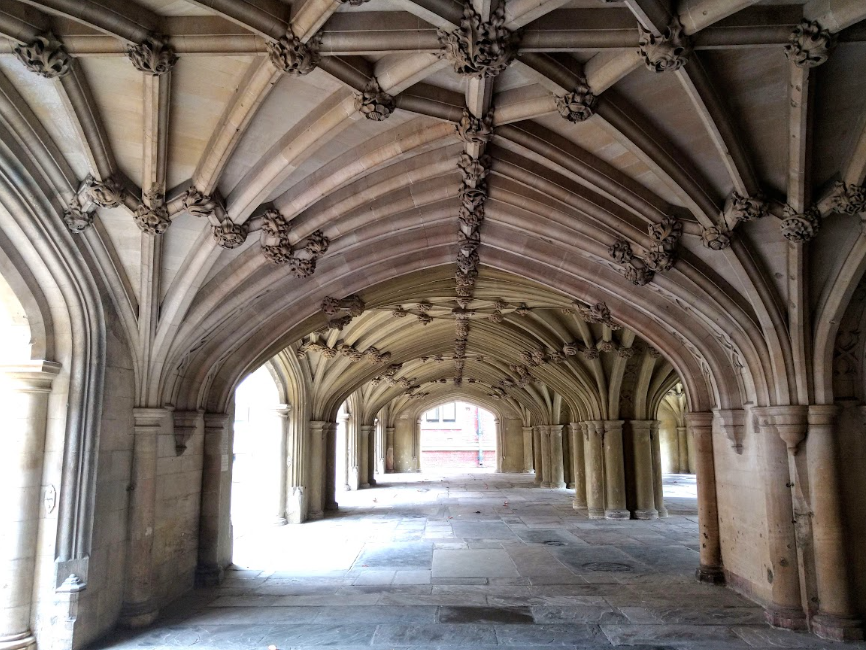
Lincoln’s Inn boasts the largest grounds of any Inn of Court, spanning eleven acres of historic buildings, peaceful gardens, and brick-paved quadrangles. Named after Henry de Lacy, 3rd Earl of Lincoln, the Inn has occupied its current site since at least the early 15th century.
Key architectural highlights include:
- The Great Gatehouse (1518): A striking Tudor gatehouse built from red brick, serving as the main entrance on Chancery Lane.
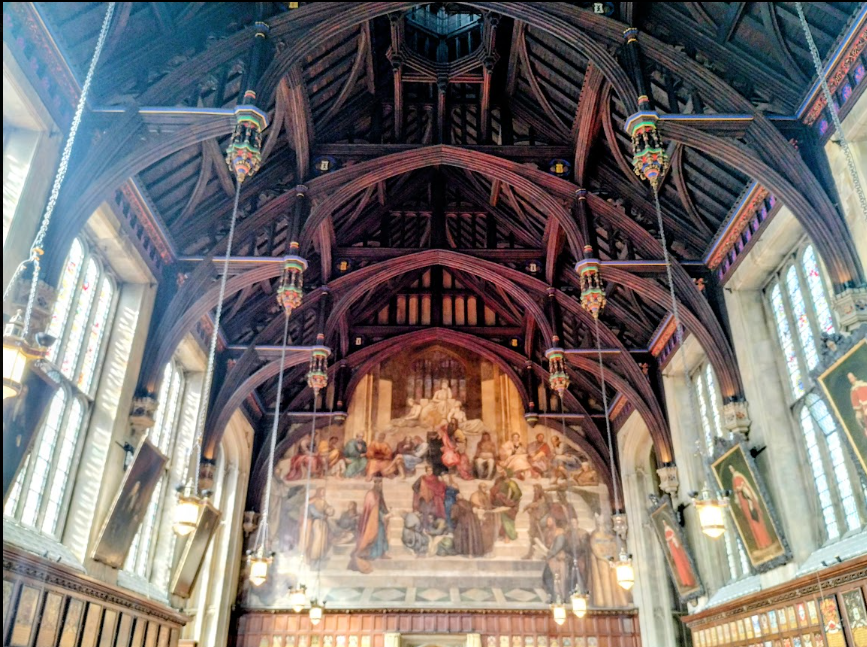
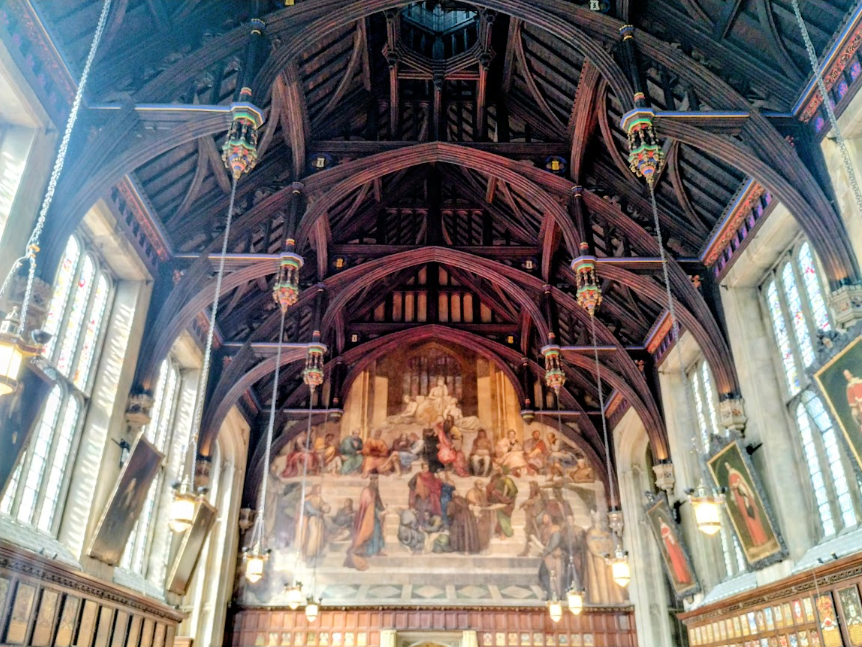
- The Old Hall (1489): The oldest surviving building on the estate, renowned for its fine timber roof and historic panelled interior.
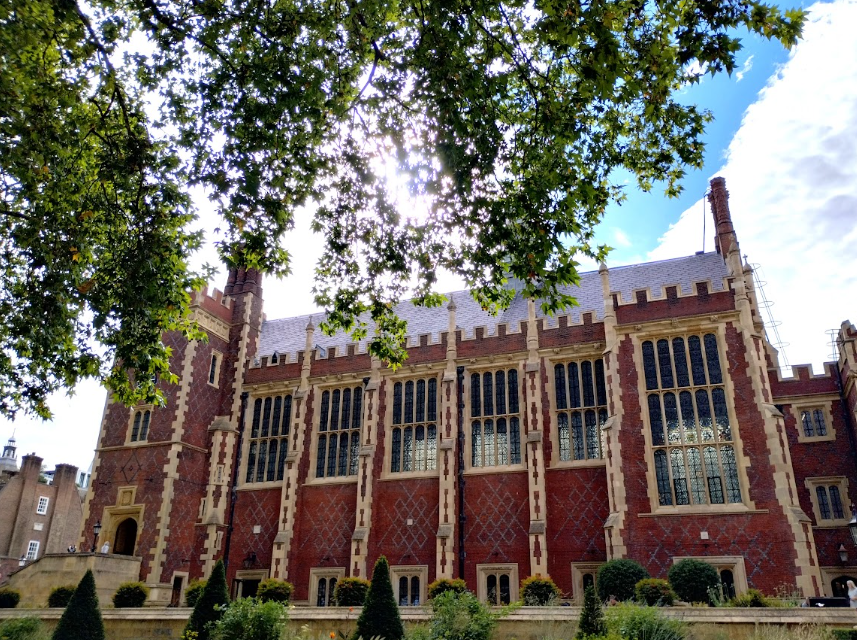
- The Great Hall and Library (1845): An impressive Victorian Gothic revival building opened by Queen Victoria, housing one of the largest legal libraries in the United Kingdom.
Notable Historical Figures
Over the centuries, Lincoln’s Inn has been associated with some of the most influential figures in British history and literature:
- Sir Thomas More: Joined the Inn in 1496 and later became Lord Chancellor under Henry VIII.
- John Donne: The famous metaphysical poet and cleric studied law here and served as preacher to the Inn in the 1620s.
- Charles Dickens: Worked as a clerk at a legal firm in Lincoln’s Inn and later featured the Inn prominently in his classic novel Bleak House.
- Margaret Thatcher: Called to the Bar at Lincoln’s Inn in 1953 before becoming Britain’s first female Prime Minister.
Explore Legal London with Us
Want to discover the secrets of Lincoln’s Inn and lesser-known treasures across legal London with a qualified guide? Book your The Inns of Court Tour – Lincoln and Gray’s Inn Private tour with London Guided Walks today and step back in time through centuries of legal history.