Introduction: The Summer That Changed British Youth Culture
The summer of 1951 marked a turning point in British social and cultural history. What began as a post-war fashion experiment in Savile Row quickly evolved into a defining youth movement that would reshape music, identity, and behaviour across the nation.
At its heart was South London, where working-class teenagers adopted and transformed the “New Edwardian” style into something entirely their own. This was the beginning of a cultural shift that would lead directly to the emergence of the Teddy Boy, skiffle, and ultimately British rock ’n’ roll.
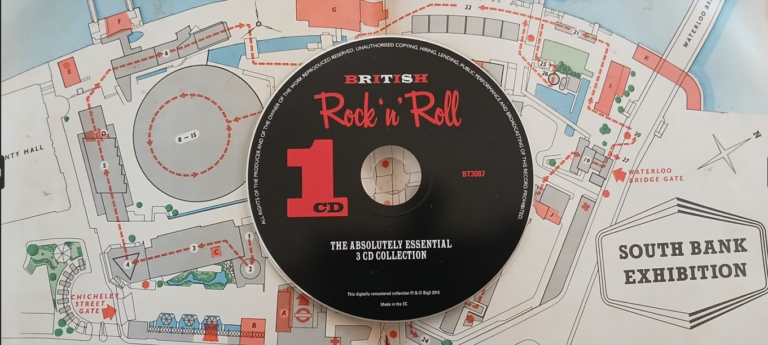
The Festival of Britain provided the backdrop, but it was the streets, schools, and dance halls of South London that became the true birthplace of a musical revolution.
The Birth of the Teddy Boy Movement and Youth Identity
Initially introduced as a revival of Edwardian fashion, the drape jackets and slim-fitting trousers were intended for a post-war middle-class market. Instead, they were embraced by working-class teenagers who reshaped the style into a bold new identity.
In areas such as Lambeth and Bermondsey, this fashion became a symbol of youth independence and defiance. However, it also triggered widespread moral panic, with sections of the press linking Teddy Boys to so-called “cosh gangs” and criminal behaviour.
This marked one of the earliest moments in Britain where youth fashion and culture were seen as a social threat.
The Festival of Britain: A Cultural Turning Point
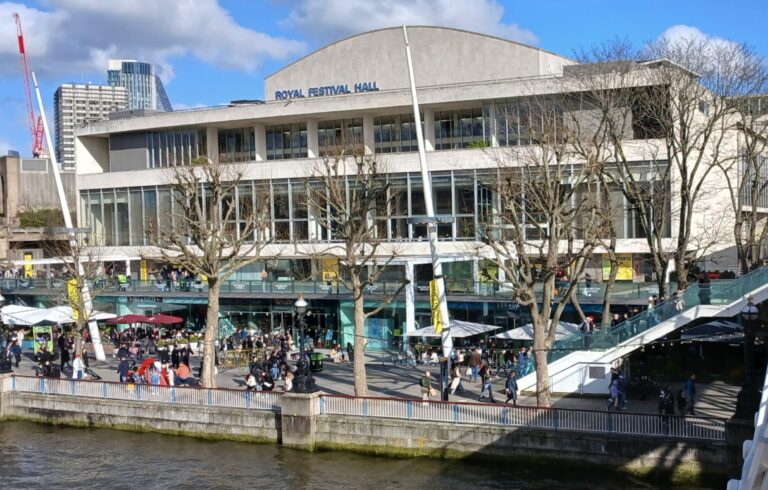
The Festival of Britain in 1951 played a significant role in shaping the musical and cultural environment of the time. Southbank and Battersea Park became key destinations where young audiences were exposed to live performances, particularly trad jazz and jump blues.
These musical influences provided the foundation for what would soon evolve into skiffle and British rock ’n’ roll. For many young Londoners, the festival was their first encounter with modern popular music on a national stage.
South London: The Cradle of British Rock ’n’ Roll Talent
South London produced a remarkable generation of musicians who would go on to define British pop music. Many of these future stars grew up within a few miles of one another, attending local schools and performing in community spaces.
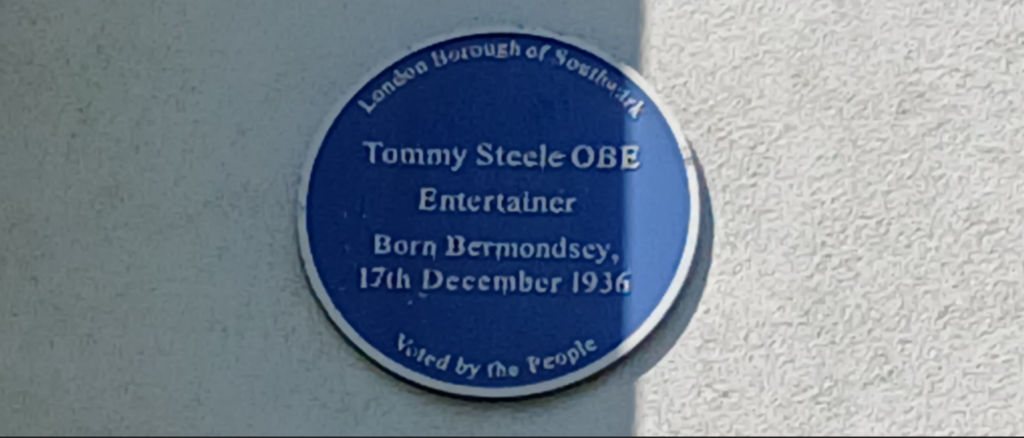
Figures such as Tommy Steele, Cliff Richard, Marty Wilde, Terry Dene, Jess Conrad, and Dickie Pride all emerged from this same cultural landscape. Their early experiences were shaped by post-war London, youth clubs, and school trips to major cultural events like the Festival of Britain.
This concentration of talent highlights South London’s unique role in the development of British popular music.
Skiffle: The Gateway to Rock ’n’ Roll
Before rock ’n’ roll fully arrived, skiffle became the defining sound of British youth culture. Its simplicity meant that young people could form bands with minimal equipment, often using homemade or improvised instruments.
This DIY musical approach allowed working-class teenagers to participate in music-making for the first time, laying the groundwork for the explosion of British rock bands in the 1960s.
Skiffle was more than a genre—it was an entry point into the music industry.
Rock ’n’ Roll Arrives in Britain
The arrival of “Rock Around the Clock” by Bill Haley and the Comets signalled a dramatic shift in British music culture. Its success, amplified by its use in the film Blackboard Jungle, introduced rock ’n’ roll to a mass audience.
By the mid-1950s, British teenagers were dancing in cinemas, forming bands, and rejecting traditional musical norms. Television programmes such as 6.5 Special and Oh Boy brought the genre directly into homes across the country.
This moment marked the full arrival of rock ’n’ roll as a defining cultural force in Britain.
Soho, Coffee Bars, and the Music Industry Boom
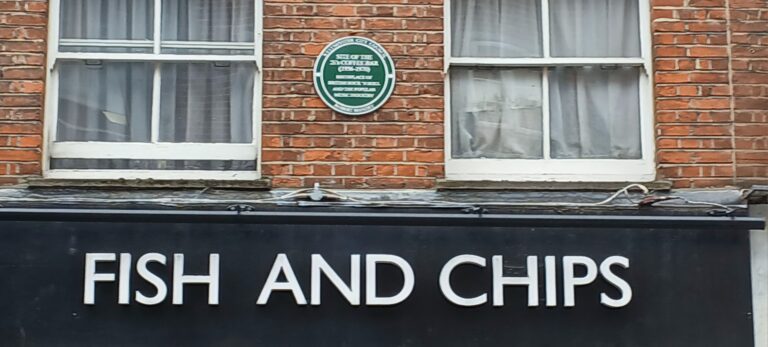
As rock ’n’ roll gained momentum, Soho became the epicentre of Britain’s emerging music industry. Venues such as the 2i’s Coffee Bar in Old Compton Street provided a platform for new performers.
Managers like Larry Parnes played a pivotal role in shaping early British pop stars, rebranding young performers and guiding them into mainstream success. Television exposure and live performances helped transform local musicians into national figures.
This period laid the foundations for the modern British pop industry.
Cultural Impact and Youth Rebellion
The rise of rock ’n’ roll also brought visible signs of generational change. Cinema screenings, live concerts, and public spaces became arenas of youthful expression—and sometimes disruption.
From dancing in aisles to crowd disturbances, these moments reflected a wider shift in attitudes, as teenagers increasingly defined their own cultural identity separate from their parents’ generation.
South London’s Lasting Legacy in British Music History
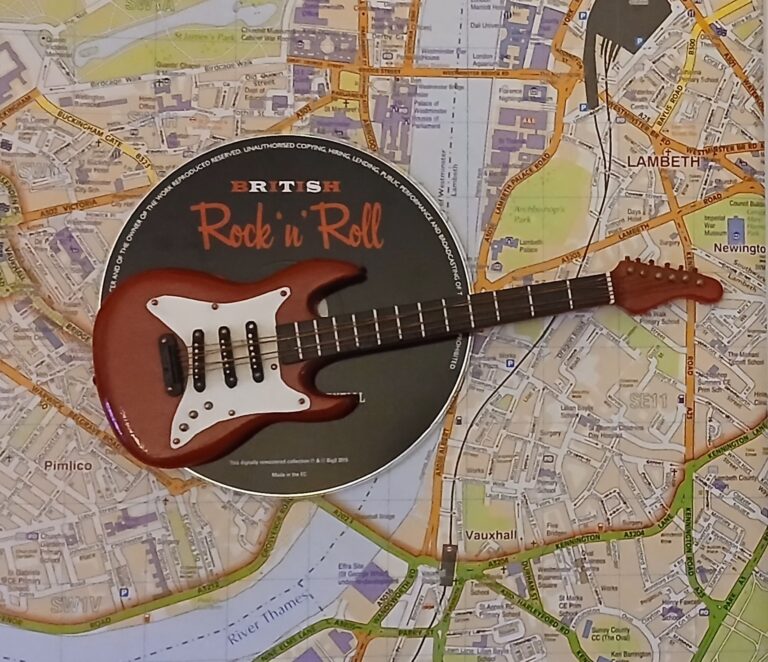
The story of British rock ’n’ roll is inseparable from South London’s post-war youth culture. From the Festival of Britain to the rise of skiffle and rock ’n’ roll, this period represents a foundational moment in modern British music history.
The combination of fashion, social change, and musical innovation created a cultural movement that continues to influence British music today.
Explore the Story for Yourself
Step back into the world that shaped British rock ’n’ roll and discover the streets, stories, and locations that brought this cultural revolution to life.
🎟️ Book your experience today:
👉 Join a Festival of Britain guided walk or private tour with David Turnbull and uncover how South London helped shape the sound of modern Britain.