Introduction
Just a stone’s throw from Upper Street, Milner Square provides more than just an architectural glimpse into London’s Georgian expansion era. It’s a place brimming with stories and memories, as elucidated in Susan Oudot’s film, “Through the Hole in the Wall.“
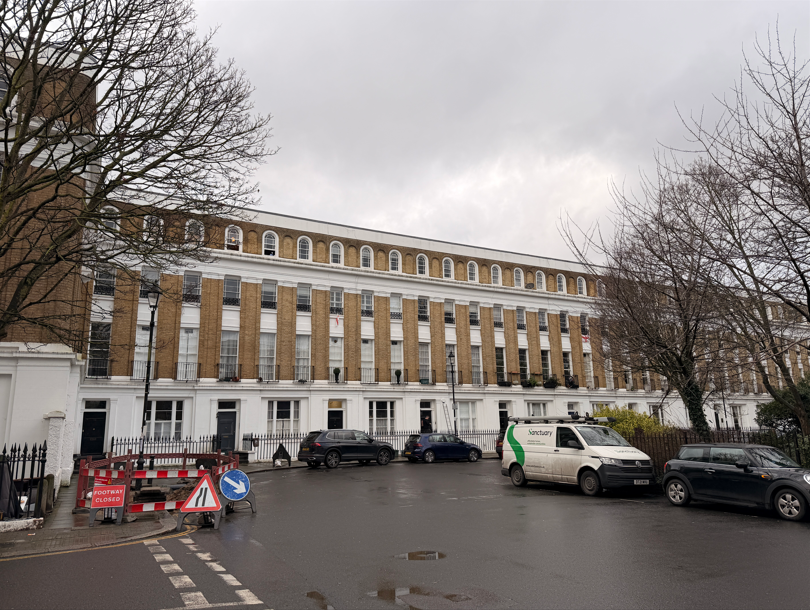
The Historical Vision of Milner Square
Milner Square was conceived in the 1840s during London’s Northwood expansion, aiming to attract the middle class seeking respite from urban smoke. The Milner Gibson family collaborated with architects Alexander Dick Gough and Roumieu, encasing the square with a seamless terrace of tall houses that contrasted with other London squares of the same era.
However, by the 20th century, the original vision had soured. The square, once intended as a retreat for the respectable, devolved into multi-occupancy tenements plagued by poor living conditions—families shared bathrooms, dealing with scarce resources. In the subsequent decades, Islington Council intervened to modernise the living arrangements, facilitating a shift from slum designations to conservation areas.
Growing up in Milner Square
Susan Oudot’s candid film serves as a walk down memory lane. Born and raised in Islington, she captures the everyday life of working-class families in a time of transition. Her familial roots in the square stretch to the 1930s, echoing a sentiment of community camaraderie that transcended economic hardships.
Susan recounts her journey from owning a small camcorder to enlisting the help of industry professionals to bring her vision to life. The film grew from being merely a personal family history to a collective memory, engaging both past and current residents.
The Life and Times of the Square's Residents
Throughout the podcast, Susan delves into the multifaceted lives led by Milner Square residents. She paints vivid pictures of communal living: women diligently scrubbing doorsteps, children playing outside without a care, and shared toilets forming the backbone of social interaction. Her film narrates the lived experiences of those who called Milner Square home, contrasting the perceptions of Islington’s current gentrified status with its historical impoverishment.
The community spirit thrived—families intermingled, and parties often filled homes with laughter. The central garden served as a recreational hub for the square’s children, offering a safe haven despite the squalor surrounding it.
The Transformation into Modernity
By the 1970s, compulsory purchases by Islington Council heralded changes as families were moved to new estates offering modern conveniences. While these developments provided much-desired amenities, they inadvertently eroded the sense of communal fabric that had bound neighbors together for generations.
Susan Oudot's Film: A Tool for Remembrance
Susan’s film is a tribute to those days, attempting not just to preserve but also to teach and evoke memories of a time rapidly fading from view. She captured stories from the older generation, ensuring their tales aren’t lost to time. Her work allows residents to rediscover their locality, igniting conversations about housing, class, and community.
Conclusion: Legacy and Reflection
Milner Square stands today as a testament to its rich history, its appearance altering with time, yet its essence vividly captured through contemporary narration. Listening to people like Susan Oudot reveals the profound impact of community storytelling in shaping our understanding of local histories.
So, when you wander through Islington, remember that behind those brick facades, in squares that appear uniform, lie diverse stories waiting to be told. Whether it’s in the structured settings of “Through the Hole in the Wall” or your own backyard, history breathes through the shared stories of those who came before us.