An American did buy London Bridge and ship it to Arizona – but he did not accidentally buy the “wrong” bridge. The idea that Robert P. McCulloch thought he was getting Tower Bridge is a modern London myth, not a historical fact.
Did an American really buy the wrong bridge?
You’ve probably heard the story: a millionaire turns up in London, mistakes Tower Bridge for London Bridge, signs on the dotted line, and only later discovers he’s bought a much plainer crossing. It’s a great tale, but documents from the sale and testimony from McCulloch’s family show it simply didn’t happen that way.
By the late 1960s, the existing London Bridge was struggling with modern traffic, and the City needed a replacement. Selling the bridge’s fabric was part of a practical solution to an engineering problem, not a comedy of errors. The stones were dismantled, shipped to the United States and reborn in the Arizona desert as a centrepiece for a new town.
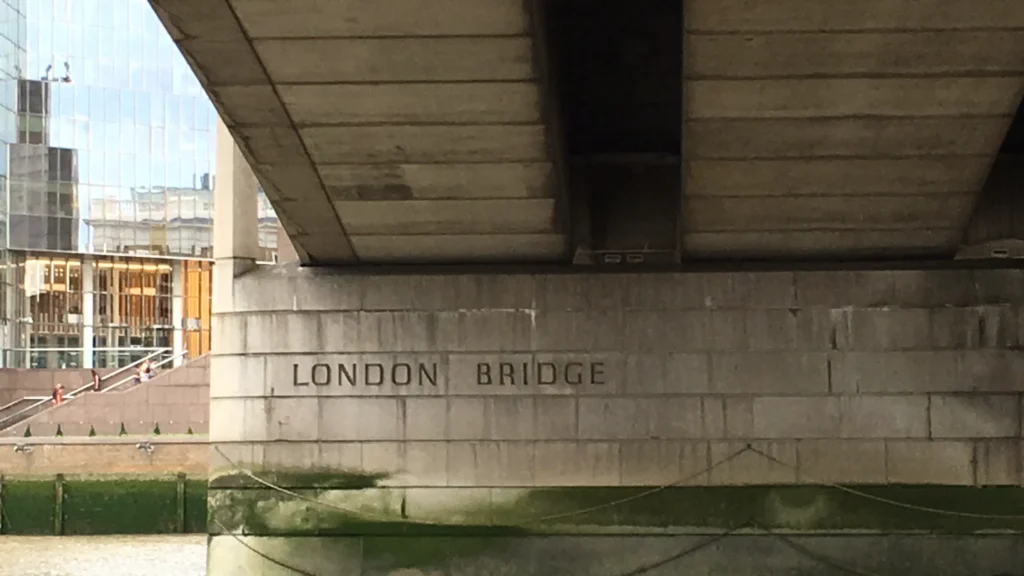
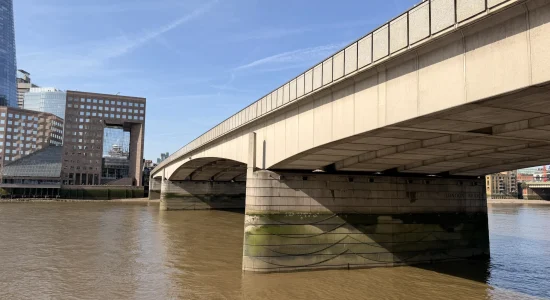
The current London Bridge bears its name proudly | Photo by Hazel Baker
What Robert P. McCulloch actually bought
Robert P. McCulloch bought the 19th‑century London Bridge quite deliberately. He wanted a recognisable British landmark to promote Lake Havasu City, a planned community in Arizona, and “London Bridge” was a name with global resonance.
The granite blocks were carefully numbered before leaving London, then reassembled over a concrete core in Arizona. The result was a functioning bridge and a powerful marketing image – exactly the outcome McCulloch was aiming for. There’s no evidence that he ever believed he was buying the ornate, twin‑towered structure we know as Tower Bridge.
Why London Bridge and Tower Bridge get confused
So where does the myth come from? Largely from the way visitors picture Tower Bridge whenever they hear the words “London Bridge”. Tower Bridge, with its towers, walkways and dramatic bascule roadway, looks like the archetypal postcard bridge. The actual London Bridge is visually modest by comparison, doing the everyday work of carrying traffic between the City and Southwark.
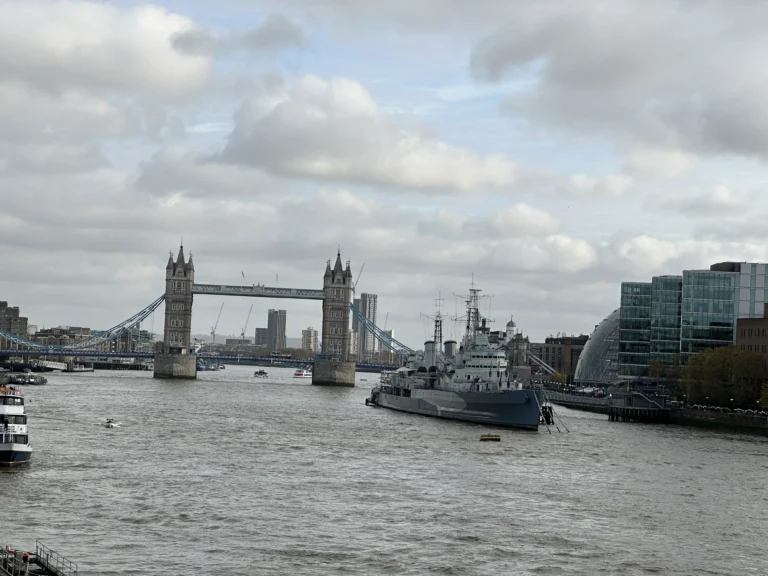
That mismatch between name and mental image makes the “wrong bridge” story feel plausible. If you assume “London Bridge” is the iconic towered structure, then the idea that someone bought it and shipped it to Arizona sounds like the perfect example of transatlantic eccentricity. Once told, the story is so neat that it easily survives retelling on tour buses and in guidebooks.
To see just how different these crossings really are, it’s worth exploring their individual histories. Medieval London Bridge: A Historic Marvel Revealed traces earlier versions of London Bridge, from Roman foundations through the crowded medieval bridge lined with houses, while Episode 162: Building Tower Bridge walks through the politics and engineering behind Tower Bridge’s late‑Victorian design.
The long story of London Bridge
London Bridge has anchored a river crossing here for nearly two millennia. The Romans established the first bridge around the birth of Londinium, creating both a route south and a focal point for settlement. Later timber crossings gave way to the famous medieval bridge, packed with shops, homes and religious houses, and adorned with traitors’ heads on spikes.
If you’d like a fuller sense of this evolution, Medieval London Bridge and The Roman London Bridge: The Foundation of Londinium on London Guided Walks chart how each successive structure reflected the needs and anxieties of its age – from defence and trade to traffic and prestige. By the 19th century, the bridge that McCulloch eventually bought was itself a modern replacement, built to ease congestion and improve navigation.
When even that bridge began to struggle under 20th‑century demands, the City opted for another replacement. Selling the outgoing structure created a rare opportunity: London could solve a traffic problem while a developer in Arizona gained a ready-made, history‑rich landmark.
Tower Bridge: the bridge people imagine
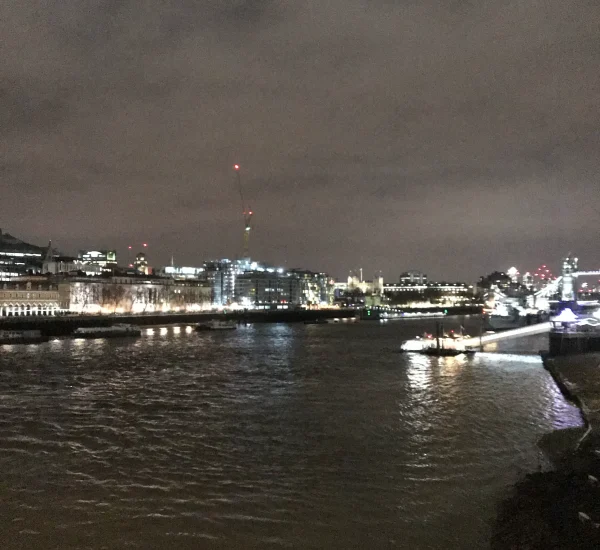
Tower Bridge, opened in 1894, was built to answer a specific problem: how to allow tall ships to reach the Pool of London while carrying ever-growing road traffic across the Thames. Its design had to impress as well as function, particularly given its proximity to the Tower of London.
The result is the unmistakable silhouette of towers, high‑level walkways and an opening roadway, framed by steel and stone. Unsurprisingly, when people hear “London Bridge”, this is what they picture. Episode 162: Building Tower Bridge digs into the battles that shaped the final design and helps explain why the bridge has become the city’s visual shorthand.
Seen side by side – or better still, walked as part of a Thames route – the differences between London Bridge and Tower Bridge are obvious. That contrast is part of what makes the “wrong bridge” legend such a useful teaching tool: it invites you to look again at which bridge is which.
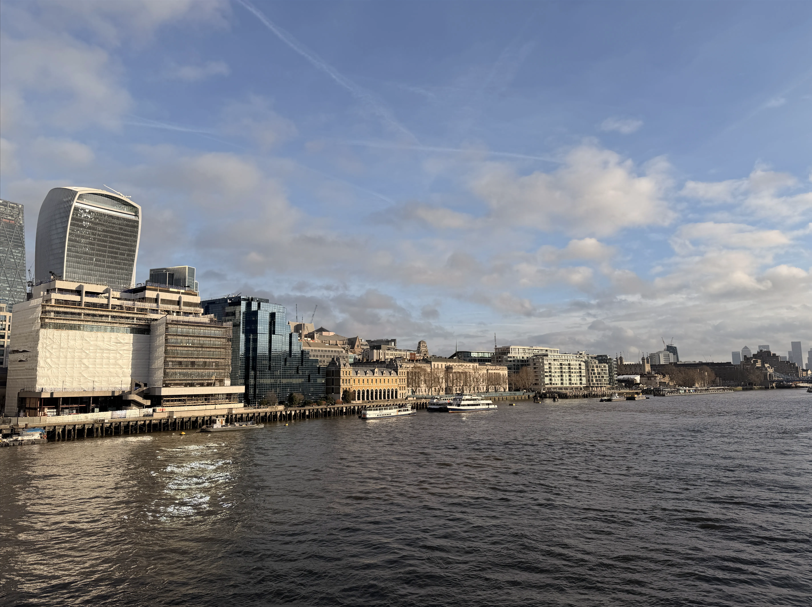
London Bridge today and along the Thames
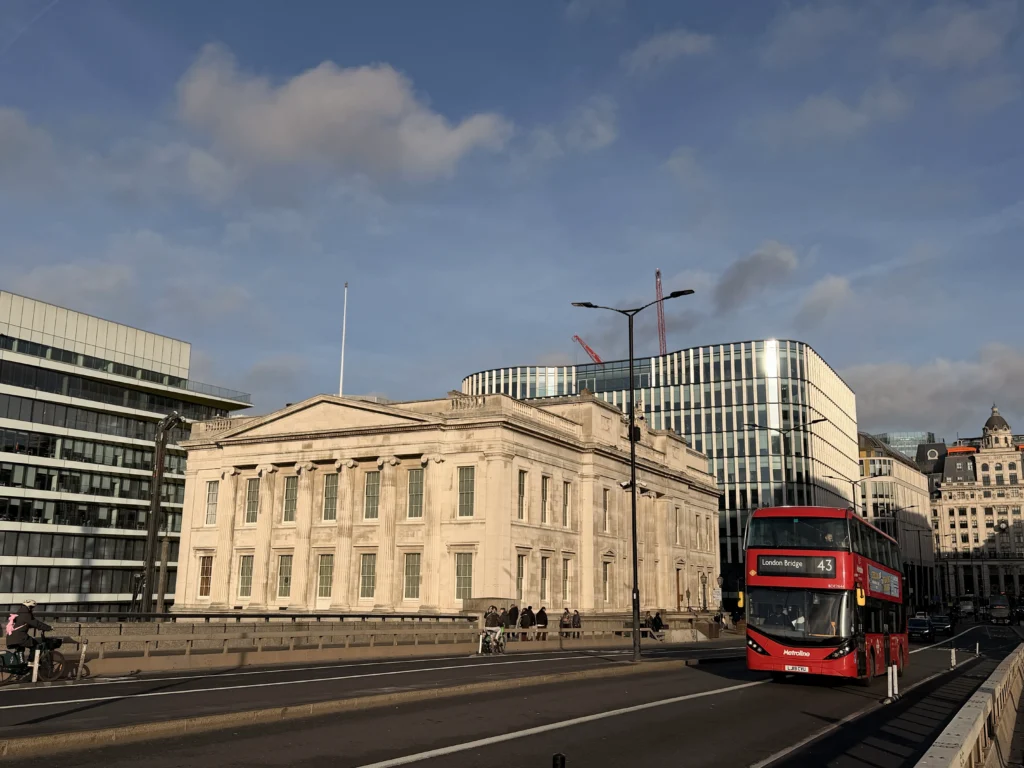
The present London Bridge, opened in 1973, continues the long tradition of there being a bridge at this site, even as the structures change. Today it carries buses, cars and thousands of pedestrians each day, linking the financial heart of the City with stations, offices and cultural venues south of the river.
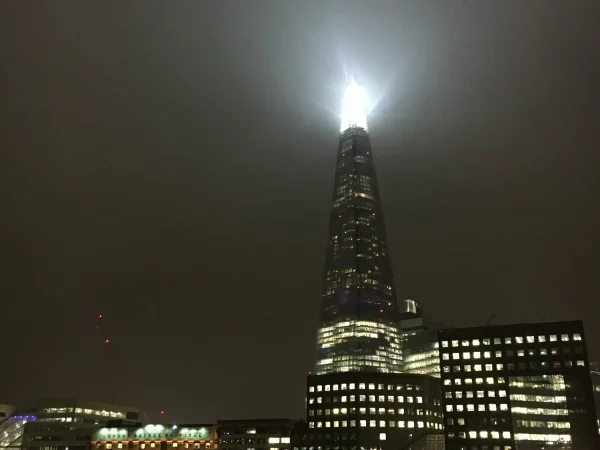
From the bridge you can see Fishmongers’ Hall, the Shard and a sweep of riverfront development – all reminders that London Bridge is as much about everyday movement as myth-making. To place it in a wider landscape, Springtime Stories Along the River Thames Walk and the River Thames Walk offer ways to experience London Bridge, Tower Bridge and other crossings as part of a continuous narrative of engineering, commerce and city life.
Myths, memory and London storytelling
The “wrong bridge” story is a gentle urban legend that flatters local knowledge and plays on familiar stereotypes: the wily Londoner, the wealthy but naïve outsider, and the city so layered that even its bridges can trick you. It persists not because it’s true, but because it’s tidy, funny and easy to remember.
For guides, educators and curious Londoners, debunking the myth is less about spoiling the fun and more about opening up richer stories. Once you know the real tale of London Bridge’s sale and relocation, you can use it to talk about river engineering, urban change, global marketing and the power of names. The myth becomes a doorway into deeper history, rather than the final word.
📚Related Blog post:
London Bridge myth: FAQs
Did an American really buy the wrong London Bridge?
No. The story that Robert P. McCulloch thought he was buying Tower Bridge but ended up with London Bridge is an urban myth, not what actually happened.
Who bought London Bridge and why?
American entrepreneur Robert P. McCulloch bought the 19th‑century London Bridge in 1968 to use as a striking landmark for his new desert community, Lake Havasu City in Arizona.
Where is the old London Bridge now?
The bridge that once crossed the Thames now stands in Lake Havasu City. Its stones were dismantled in London, shipped to Arizona and rebuilt over a modern concrete core.
Why do people think Tower Bridge was sold?
Because many people picture Tower Bridge when they hear “London Bridge”. That visual mix‑up makes the idea of someone buying “the wrong bridge” sound believable, even though the buyer knew exactly what he was purchasing.
Is London Bridge still in London?
Yes. The current London Bridge opened in 1973 and still links the City of London with Southwark. It replaced the earlier bridge whose stones were sold and moved to Arizona.
How old is London Bridge compared to Tower Bridge?
London Bridge as a crossing goes back to the Roman period, with several different structures built on the same site over nearly 2,000 years. Tower Bridge is Victorian, opening in 1894 to manage late‑19th‑century traffic and river shipping.
Where can I learn more about London Bridge’s history?
For a deeper dive into the medieval and Roman bridges, you can point readers to your existing posts Medieval London Bridge, Medieval London Bridge: A Historic Marvel Revealed, and The Roman London Bridge: The Foundation of Londinium, which explore how the crossing evolved over time.
What’s the best way to see London Bridge and Tower Bridge today?
A Thames walk is ideal. Direct readers to your River Thames Walk and Springtime Stories Along the River Thames Walk pages, which bring London Bridge, Tower Bridge and other crossings together in one river‑based route.