


Springtime Stories Along the River Thames Walk

Introduction

Walking the River Thames is one of the most evocative ways to experience London. The curve of the river has shaped the city’s history for nearly two thousand years, from Roman wharves and medieval docks to modern glass towers and riverside paths. A dedicated River Thames walk lets you follow that story step by step, linking famous landmarks with lesser‑known corners and centuries of river life.

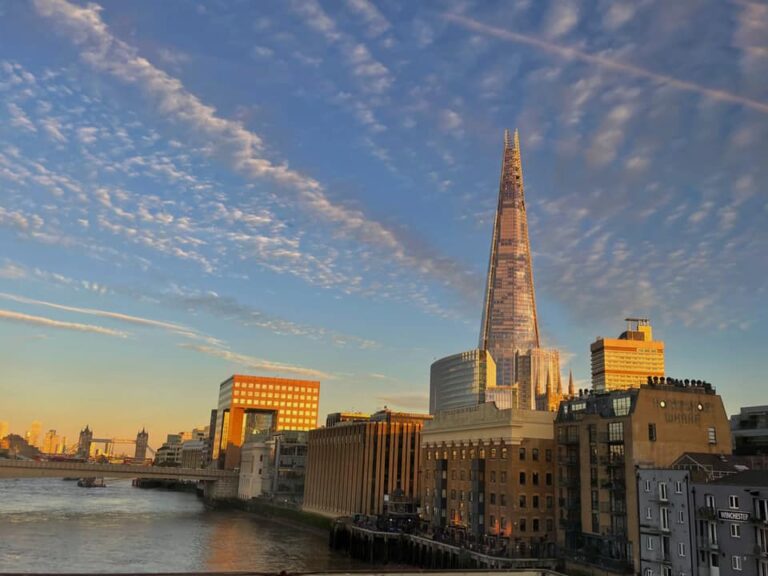
River Thames view from Canon Street Station | Photo by Hazel Baker

In this post, we explore how a Thames walk reveals London’s changing character, what to look out for along the way, and why joining a guided River Thames walk can bring the water’s edge to life in a completely new way.

Why the River Thames matters to London’s story

The Thames is the reason London exists where it does. It offered a crossing point, a tidal highway to the sea and an inland route deep into the country. Along its banks you find traces of almost every period in the city’s past: Roman remains, medieval trade, Tudor palaces, Georgian warehouses, Victorian bridges and 21st‑century skyscrapers.

Walking beside the river helps you appreciate how each generation has used, controlled and reimagined the water. Flood defences, embankments, piers and bridges all tell part of the story. On a River Thames walk, these structures are not just backdrops for photos; they are chapters in London’s long relationship with its river.

Highlights you might encounter on a River Thames walk

Every stretch of the Thames has its own character, but a typical central London route can include:

  • Historic bridges: From Westminster Bridge and Waterloo Bridge to London Bridge and Tower Bridge, each crossing reflects different periods of engineering, politics and urban planning.

  • Palaces and Parliament: The Palace of Westminster, the remains of Whitehall’s riverside palace, and views towards Buckingham Palace all show how the monarchy and government have gravitated to the river.

  • The City and its docks: Around London Bridge and the Pool of London, former warehouses and wharves reveal the commercial power of the Thames during the age of sail and steam.

  • The South Bank and cultural life: The transformation from industrial riverfront to a centre of theatres, galleries and performance spaces tells a modern story of regeneration.
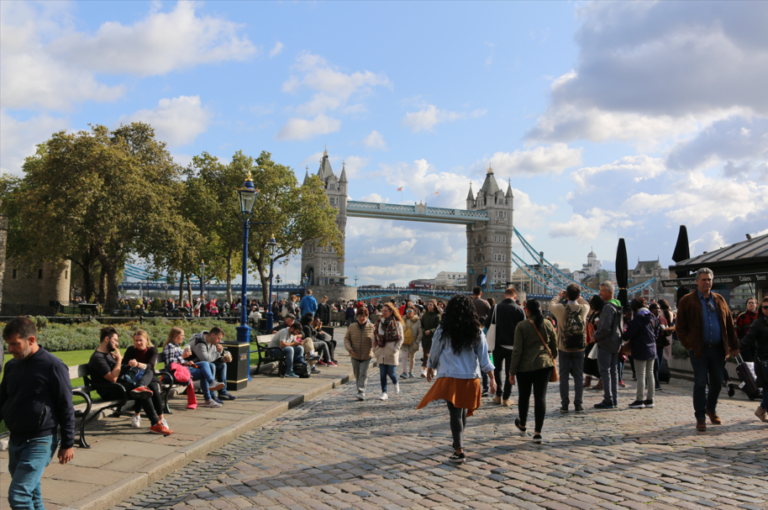
Tower Bridge spanning the Thames in central London | Photo by Hazel Baker

A guided River Thames walk threads these sites together, explaining how they connect rather than treating them as isolated stops.

Stories beneath the surface: trade, travel and danger

Beneath the river’s picturesque surface lies a history of hard work, risk and opportunity. For centuries, the Thames was crowded with lighters, barges and sailing ships delivering everything from timber and spices to coal and grain. Dockers, lightermen, watermen and sailors all earned their living on its waters.

The river could be dangerous. Fog, ice, strong currents and overcrowding contributed to collisions, wrecks and drownings. Fires in riverside warehouses, outbreaks of disease and catastrophic floods have all left their mark on London’s memory. On a River Thames walk, these stories turn the calm surface of the water into a vivid reminder of the city’s working past.

Bridges, embankments and engineering feats

The Thames has also been a testing ground for engineering innovation. Old London Bridge once bristled with houses and shops, creating treacherous rapids between its piers. Its replacement, along with later bridges, changed how people moved around the city. The construction of the Victoria, Albert and Chelsea Embankments in the 19th century not only improved sewage and transport, but also reshaped the river’s edge and created new promenades.

Today, walking beside the Thames means following these engineered riverbanks, noticing where older shorelines once stood and how the city has pushed the water back. A knowledgeable guide on a River Thames walk can point out subtle clues: flood markers, old mooring rings, former slipways and re‑used river stones in modern walls.

Hidden corners and lesser‑known tales

Beyond the big landmarks, the Thames is full of smaller, easily missed details. Narrow alleyways running down to the water hint at lost river stairs where watermen picked up passengers. Carved stones, modest memorials and sculpted bollards all speak of local stories, tragedies and acts of heroism.

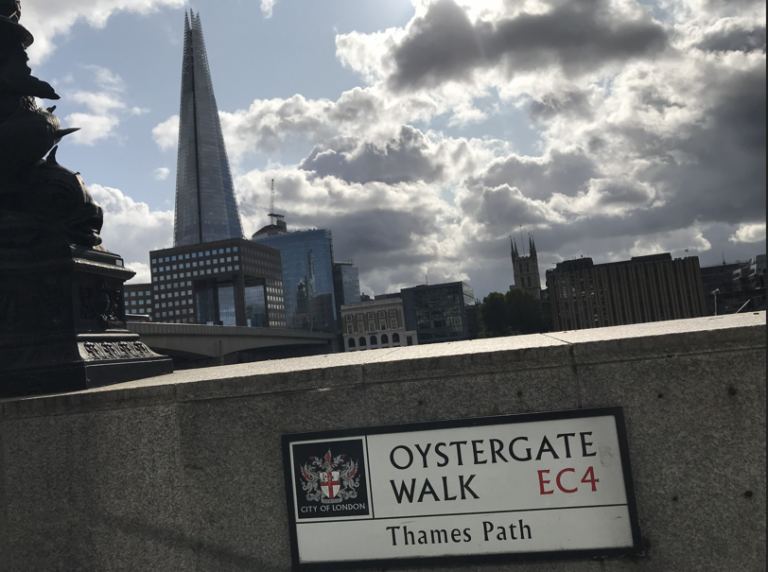
Oystergate Walk at Thames path | Photo by Hazel Baker

You may pass sites linked to executions at the Tower, smugglers’ haunts, press‑gang activity or wartime damage. A River Thames walk brings these fragments together, showing how the river has been a stage for both everyday life and dramatic events.

Why join our River Thames walk

Exploring the Thames on your own is enjoyable, but a guided walk adds context, narrative and carefully chosen vantage points. On our River Thames walk  you will:

  • Follow a carefully planned route that balances famous sights with hidden corners.
  • Hear stories that connect Roman London, medieval traders, Tudor royal processions and modern commuters.
  • Learn how to “read” the riverside landscape, from mooring rings and flood posts to ghost signs and repurposed warehouses.

Get tips on where to continue exploring after the walk, whether you prefer museums, pubs or quieter stretches of the Thames Path.

Walking along the Northbank Path offers continuous views of the Thames | Photo by Hazel Baker

The walk is designed for adults who enjoy history, storytelling and seeing London from a fresh perspective, whether you are a first‑time visitor or a long‑term Londoner.

Make the most of your Thames experience

To get the best from your River Thames walk:

  • Dress for the weather: the river can feel cooler and breezier than inland streets.


  • Bring a camera or smartphone: the mix of skyline, bridges and reflections offers excellent photo opportunities.


  • Allow extra time before or after the walk: visit a nearby museum, enjoy a riverside café or simply sit and watch the river traffic.
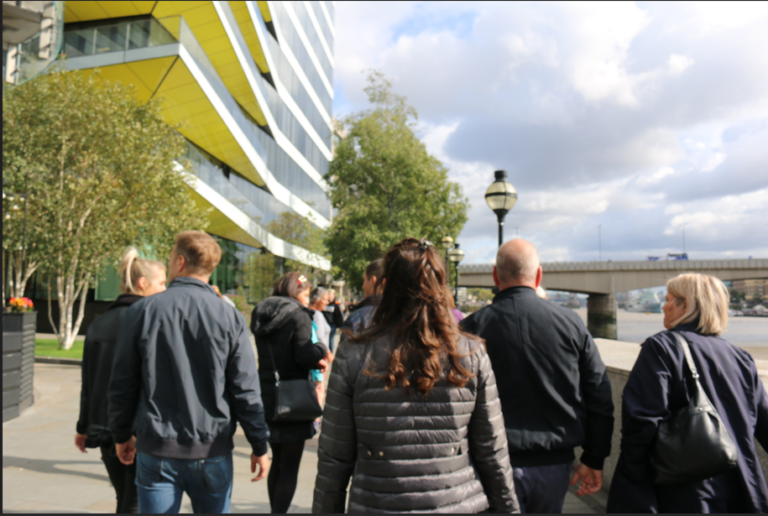
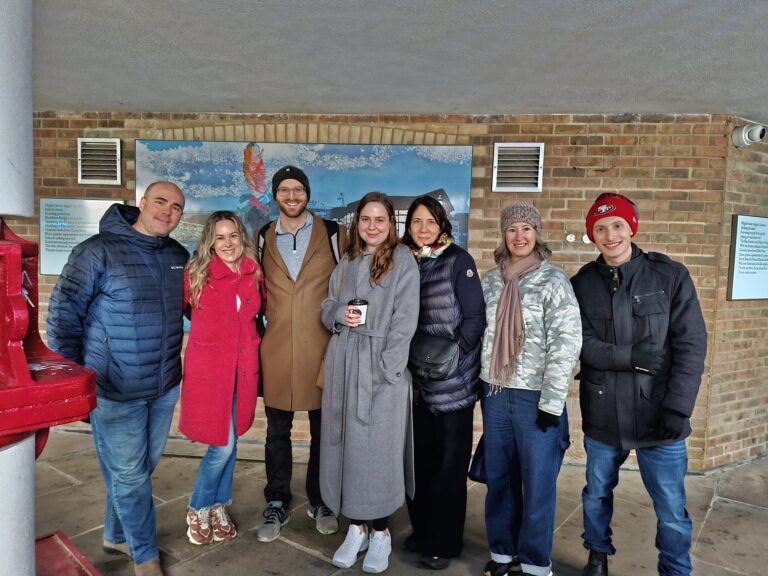
A group of guests exploring the Thames Path during Susan’s River Thames tour | Photo by Susan Baker

Most of all, come ready to imagine. As you look across the water, picture the medieval ships, Tudor barges, Victorian steamers and wartime convoys that once filled this same channel. A few hours on a River Thames walk can transform how you see London — not just as a city of streets and squares, but as a place built around a living, changing river.

To explore the capital’s riverside stories in person, book your place on our River Thames walk today.

Facebook
Twitter
LinkedIn

Related Posts

21st Century
admin

The Old Bank of England

Pints and Pies with a Side of History: Exploring the Old Bank of England on Fleet Street Nestled between the bustling City of London and

Read More »
Scroll to Top