Introduction
In the winter of 1762, James Boswell, a twenty-two-year-old law student from Scotland, arrived in London and took lodgings on Downing Street. Years before he would become renowned as the biographer of Dr Samuel Johnson, Boswell was a young man full of ambition, eager to establish himself in both the legal world and London’s vibrant cultural scene. His time on Downing Street offers a fascinating glimpse into Georgian London, where respectability, ambition, and pleasure collided in the daily life of a rising writer.
Boswell’s Lodgings on Downing Street
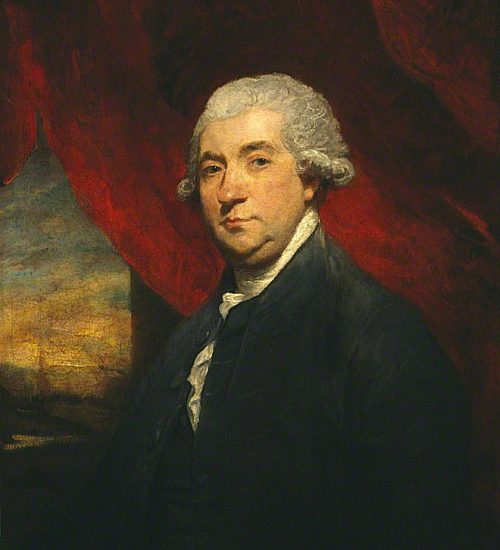
Boswell lodged with Thomas Terrie, a chamber-keeper to the Office of Trade and Plantations. For a modest rent, he secured a set of rooms in a location he proudly described in his journal as “genteel”. In 18th-century London, this word meant more than simply neat or tidy—it implied social respectability and a neighbourhood that conferred prestige. For a young man keen to impress, Downing Street was ideal.
From this address, Boswell was within walking distance of the Strand’s coffee houses and legal chambers, the Houses of Parliament, and the clubs and theatres of the West End. St James’s Park and Pall Mall lay close by, offering him access to both political and social life. His lodgings placed him quite literally at the centre of London’s power and culture.
A Life Between Study and Diversion
Boswell’s journals reveal the double life he cultivated during these months. By day he pursued serious goals—studying law, writing letters, and recording observations of influential men he hoped to meet. By night, however, he was equally drawn to the city’s diversions. Theatres, taverns, salons, and less-respectable encounters filled his evenings, all of which he noted with unusual frankness in his private writings.
This rhythm of study and indulgence became a defining feature of Boswell’s London life. Downing Street offered him the respectability of a proper address while keeping him close to the bustle and temptations of the capital after dark.
The Making of a Man of Letters
Although still far from fame, Boswell was already developing the observational skills that would later make his Life of Johnson a masterpiece of biography. His habit of recording impressions, from the atmosphere of coffee houses to the personalities he encountered, honed the vivid style that later brought London society to life on the page.
From his window on Downing Street, he could watch ministers and messengers coming and going, while imagining his own future among the great and powerful. The setting fuelled both his ambitions and his awareness of the city’s complexities—a blend of dignity, intellect, and vice that he would capture with enduring honesty.
🎧 Listen to London History Podcast Episode 139: Downing Street – A Microcosm of London and learn more about the former residents of Downing Street.
📖Recommended Reading:
- James Boswell, London Journal 1762–1763 (edited by Frederick A. Pottle)
- James Boswell, The Life of Samuel Johnson (1791)
- Gordon Turnbull, James Boswell: The Journal of a Tour to the Hebrides with Samuel Johnson
- Peter Martin, A Life of James Boswell