J.M. Barrie and London’s Literary Cricket Team

Introduction

Cricket remains one of Britain’s best-loved summer sports. Every weekend, village greens and municipal pitches come alive as amateur teams take to the field in their whites, while iconic London grounds such as Lord’s and The Oval host county matches and international fixtures, including the Women’s Cricket World Cup.

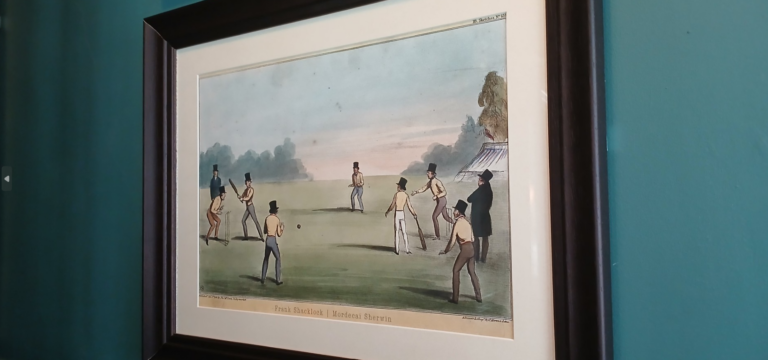
Cricket painting Sherlock Holmes Pub | Photo by David Turnbull

For many London cricket clubs, Waterloo Station has long been the gateway to matches across Surrey and Sussex. Yet few groups departing from the station were quite as memorable as the Allahakbarries—a famously inept cricket team founded in 1887 by J.M. Barrie, the creator of Peter Pan. Their story combines London’s literary heritage, cricketing traditions and Barrie’s unmistakable sense of humour.

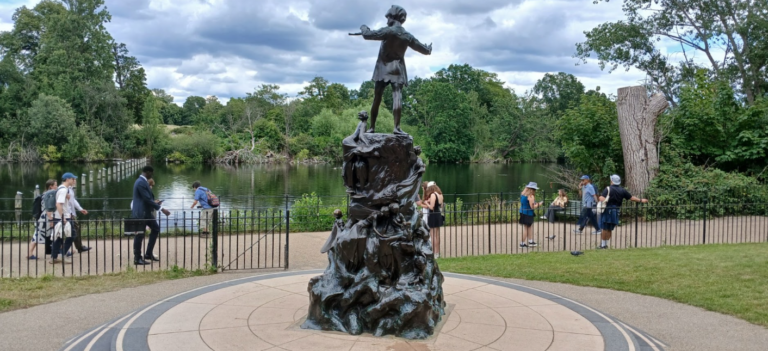
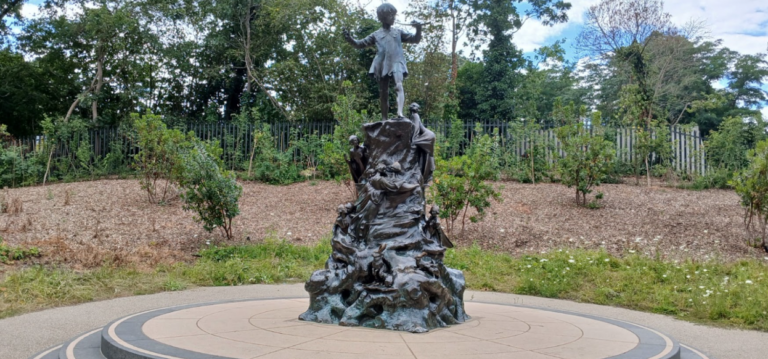
Peter Pan Statue | Photo by David Turnbull

The Curious Beginnings of the Allahakbarries

If you had stood on the concourse of Waterloo Station during the summer of 1887, you might have spotted an unlikely group of cricketers preparing to board a train to Guildford.


One player wore pyjamas because he owned no cricket whites. Another was still learning which side of the bat to use. Few understood the rules, and none looked likely to threaten their opponents.


They were travelling to Albury Heath for their very first match against a village team captained by the landlord of the White Horse pub in nearby Shere. True to the club’s future reputation, the Allahakbarries suffered a comprehensive defeat.

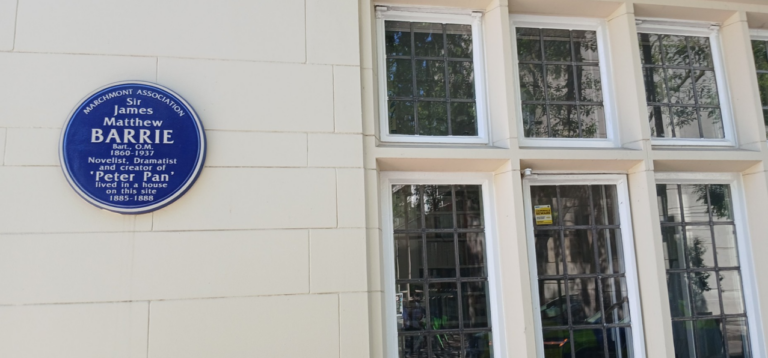
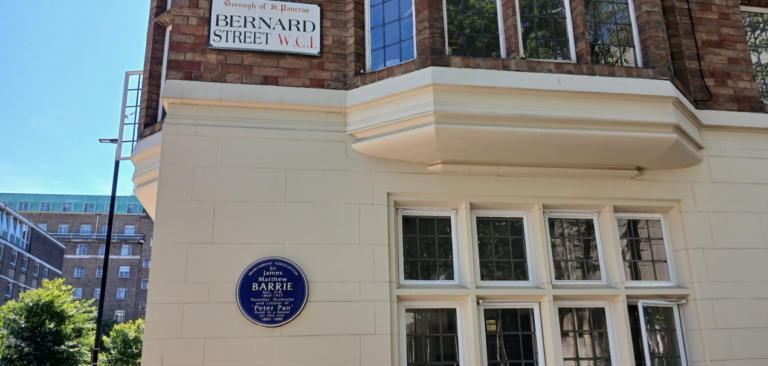
J.M, Barrie Plaque | Photo by David Turnbull

J.M. Barrie's Literary Cricket Club

Founded by London-based author J.M. Barrie, the Allahakbarries existed for 26 years and became one of the most unusual sporting clubs in Britain.


Although cricket brought them together, the team was remarkable for its extraordinary list of players, including some of the greatest writers of the late Victorian and Edwardian periods.


Among those who played were:

  • Rudyard Kipling
  • A.A. Milne
  • P.G. Wodehouse
  • G.K. Chesterton
  • E.W. Hornung
  • A.E.W. Mason

The club also welcomed George Llewelyn Davies, whose family famously inspired the Lost Boys in Peter Pan, along with the grandson of Alfred, Lord Tennyson.

J.M.Barrie Plaque | Photo by David Turnbull

Waterloo Station and London's Literary Connections

Many of the Allahakbarries’ fixtures began at Waterloo Station.


During the late nineteenth century, Waterloo was every bit as chaotic as Barrie’s cricket team. Having expanded in an unplanned fashion, it effectively operated as three separate stations, making it notoriously difficult for passengers to locate the correct platform.


This confusion inspired fellow Allahakbarrie Jerome K. Jerome when writing Three Men in a Boat (1897), in which his characters struggle to find their departing train to Kingston.


Waterloo was therefore not only a transport hub but also an unexpected source of literary inspiration.

The Humour Behind the Allahakbarries

The club’s very name reflected Barrie’s playful personality.


Mistakenly believing the Arabic phrase “Allah Akbar” meant “God Help Us”, Barrie adopted it as the team’s name. When he later discovered its true meaning was “God is Great”, he simply laughed at his own misunderstanding and kept it.


That same spirit shaped the club’s famously humorous rules.


Players showing signs of genuine sporting ability risked being dropped from the team for threatening its amateur ethos. Umpires should never be questioned—unless they were obviously wrong, in which case vigorous protest was encouraged. Batsmen were expected to acknowledge any ladies watching, even if it resulted in being run out.


Winning was never the primary objective.

Cricketing Talent Among Literary Legends

Despite their reputation for sporting incompetence, the Allahakbarries occasionally fielded accomplished cricketers.


H.G. Wells, whose father had played county cricket and sold cricket equipment in Bromley, occasionally strengthened the side.


The club’s finest player, however, was Arthur Conan Doyle.


Long before creating Sherlock Holmes, Conan Doyle had established himself as an excellent cricketer and had even dismissed the legendary W.G. Grace.


Even so, victories remained a rarity, with the Allahakbarries winning only a handful of their seventy recorded matches.

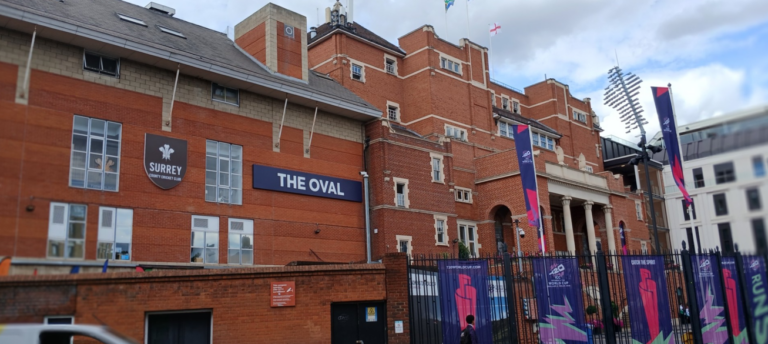
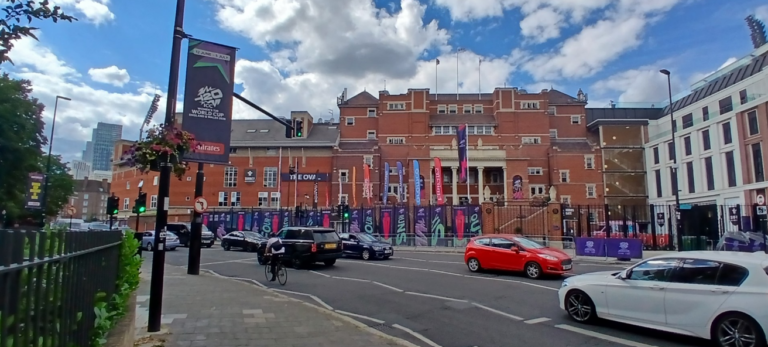
Oval Cricket Ground | Photo by David Turnbull

Friendly Rivalries and the End of an Era

Among the Allahakbarries’ most enjoyable fixtures were matches against a mixed team from Broadway in Worcestershire, captained by the retired American actress Mary Anderson de Navarro.


Artists and illustrators frequently joined her side, creating contests that were as much social gatherings as sporting occasions.


Barrie later dedicated his 1899 memoir Allahakbarries C.C. to his “Dear Enemy”, Mary de Navarro.


Eventually the Allahakbarries gave way to the more serious Author’s XI, captained by Arthur Conan Doyle. Unlike Barrie’s club, the Author’s XI expected players to practise between matches—a notion entirely at odds with the Allahakbarries’ philosophy.


Barrie reunited his original team one final time in 1913 for a farewell match in Kent. Fittingly, they were comfortably defeated.

The Allahakbarries' Lasting Legacy

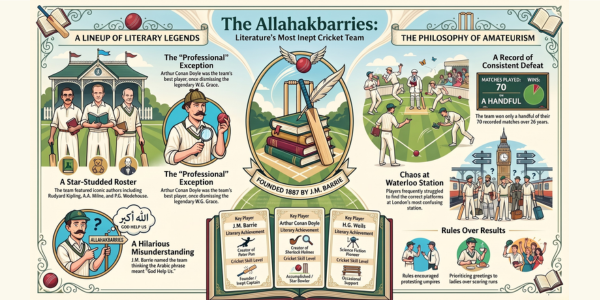
JM Barrie Cricket | Infographic, London Guided Walks

The spirit of literary cricket continues today.


In 2012, literary agent Charlie Campbell and novelist Nicholas Hogg revived the Author’s XI, whose fixtures have included matches against the Actors’ XI, the Vatican’s St Peter’s Cricket Team and the Publishers’ XI.


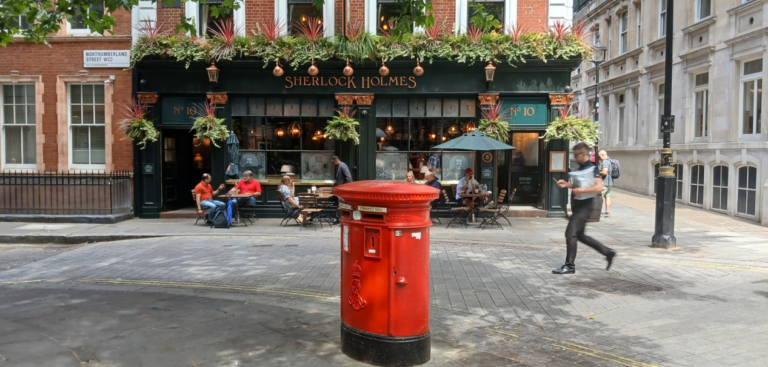
Visitors can also experience a reminder of this remarkable sporting story at the Sherlock Holmes Pub near Charing Cross. The pub recreates Holmes’s famous Baker Street study and even features artwork celebrating a Victorian cricket match—a fitting tribute to the era of J.M. Barrie and the Allahakbarries.

Sherlock Holmes Pub | Photo by David Turnbull

Conclusion

The Allahakbarries may never have been remembered for their cricketing success, but they remain one of London’s most entertaining literary stories. Through humour, friendship and an extraordinary collection of celebrated writers, J.M. Barrie created a cricket club unlike any other—one whose legacy continues to delight lovers of literature, history and London alike.


Their story also highlights Waterloo’s place not only in London’s transport history but in its rich literary heritage.

Discover More of Literary London

If you enjoyed learning about J.M. Barrie, the Allahakbarries and Waterloo’s literary connections, there’s much more to uncover.


Join our Footsteps of Jack London Guided Walk and explore the streets, stations and landmarks connected with some of Britain’s greatest writers, discovering the stories that shaped London’s literary past.


Book your place today and experience London’s literary history brought to life.

🎧Related Podcast Episode:

Facebook
Twitter
LinkedIn

Related Posts

Scroll to Top