Women, Film and Protest: Linking International Women’s Day Events in London
As we move into March and approach International Women’s Day on 8 March, London is preparing for a month of talks, film screenings, panel discussions and marches that highlight women’s achievements and ongoing struggles for equality. The City of London has its own powerful part in that story – from suffrage campaigns and workplace battles to the ways film and media have represented women’s protest.
Explore how you can use this year’s International Women’s Day to connect modern events in London with the historic streets of the Square Mile. It also shows how our Pioneering Women in the City walk brings those stories vividly to life on the very pavements where they unfolded.
International Women’s Day in London’s calendar
International Women’s Day, held annually on 8 March, is now a fixture in London’s cultural calendar. Organisations across the capital host film screenings, Q&A sessions, lectures, networking events and creative workshops focused on women’s stories. For many Londoners, it is a chance to reflect, learn and take part in conversations about equality, representation and rights.timeanddate+3
Yet the themes raised each year – pay gaps, representation in leadership, safety, freedom of expression – echo debates that women in London’s past have been having for more than a century. The City’s streets, churches, livery halls and former workplaces contain traces of those earlier struggles.
Suffrage footsteps in the City of London
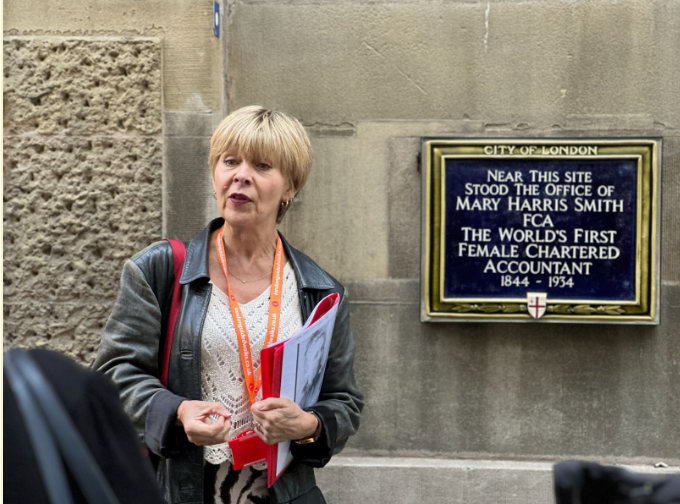
When people think of the suffrage movement, they often picture Westminster, Downing Street or Trafalgar Square. But the City of London – the historic financial heart of the capital – played a crucial role too. Here, women campaigned not only for the vote but also for fair employment, education and recognition in professions long dominated by men.
On our Pioneering Women in the City walk, we explore locations linked to:
- Early women clerks and secretaries breaking into City offices.
- Campaigners who used financial power, professional networks and the press to support suffrage.
- Organisations and churches where meetings, fundraising events and lectures were held.
Walking these streets in early March, with International Women’s Day just days away, makes it easier to connect modern activism with the courage of earlier generations.
Women, film and the framing of protest
Film has shaped how we imagine protest – and how we see women within it. Early newsreels captured suffragette marches, hunger strikes and demonstrations in London, while more recent films and documentaries revisit those struggles for new audiences.
The City, with its narrow lanes and imposing facades, has frequently appeared on screen as a backdrop to stories about power and resistance. When you stand in front of a bank, a court or a trading floor on our Pioneering Women in the City walk, it is easy to picture how these spaces have been framed in film – sometimes as closed, masculine worlds, and sometimes as battlegrounds where women demand entry on equal terms. Linking film to real locations helps us question which stories have been highlighted, whose protests have been celebrated and whose have been ignored.
Protests past and present in the Square Mile
The City may be known for finance, but it has also been a place of protest. Women petitioned, leafleted, lobbied and organised here, making use of the City’s influence and visibility. Their concerns ranged from voting rights and marriage laws to working conditions and professional barriers.
Today, marches and demonstrations sometimes pass through or around the City, connecting past and present. In the run‑up to International Women’s Day, you might attend a talk at a nearby venue, then walk a short distance to stand where earlier campaigners made their demands. The streets themselves become a bridge between eras, reminding us that every banner and placard has a long ancestry.
Planning an International Women’s Day themed visit
Publishing this piece on 2 March gives you almost a full week to plan how you will mark International Women’s Day in London this year. If you want to do something more than just share a post on social media, consider combining:
- A film screening or talk focused on women’s rights, activism or representation.
- Time in a museum, archive or gallery that highlights women’s stories, such as the Museum of London collections on suffrage.
- A guided walk that takes you to key locations in the City connected with women’s work, protest and professional life.
This layered approach allows you to move from screen to street, from discussion to direct encounter with place. It turns International Women’s Day from a single date into a richer exploration of women’s history in London.
Join our Pioneering Women in the City walk
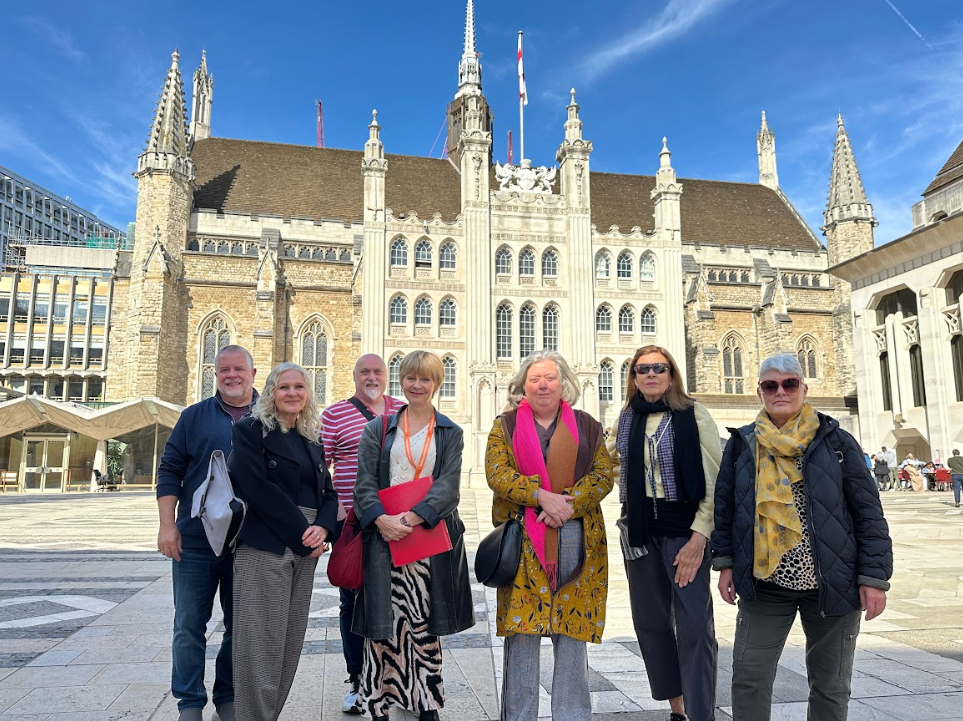
Our Pioneering Women in the City walk is designed to complement the themes of International Women’s Day and Women’s History Month. On this walk you will:
- Meet trailblazing women who challenged expectations in finance, law, commerce and civic life.
- Hear how suffrage activists used the City’s power structures to push for change.
- Explore how film and media have portrayed both the City and women’s protest over time.
- Gain new perspectives on familiar landmarks by seeing them through women’s experiences.
Whether you are a regular visitor to the Square Mile or discovering it for the first time, this walk invites you to rethink who has shaped the City – and whose stories we choose to remember in March and beyond.
As International Women’s Day approaches, make space in your plans for the streets themselves. Join us on the Pioneering Women in the City walk and let the pavements, alleyways and skylines of the Square Mile tell you their stories of women, film and protest.
📚Related Blog post's:
📕Power, Profit, and Progress: History Of Women In The Early British Finance
📕Lady Mary Wortley Montagu: Bold Investor and Health Pioneer
📕Mary Wollstonecraft Women’s Rights Pioneer
📕Queen Caroline’s Coronation Saga
📕Dr and Dame Louisa Aldrich-Blake: The Trailblazing Woman Surgeon of Victorian London
🔊Related Podcast’s: