Strand Magazine: Celebrating Classic and Modern Works

The Strand Magazine: George Newnes, Sherlock Holmes and the Golden Age of Illustrated Fiction

Introduction

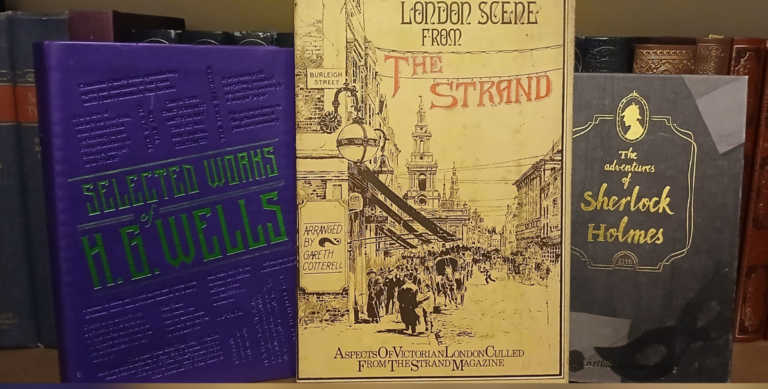
Strand Magazine | Photo by David Turnbull

The Victorian era saw the rise of illustrated periodical magazines. Prestigious titles such as the London Illustrated News, founded in 1842, competed for space on newsstands with more sensational publications like the Illustrated Police News, known for its lurid reports of crime and murder. These magazines often provided a platform for short and serialised fiction by popular writers of the era, including early works by Robert Louis Stevenson and M.R. James, published in the Pall Mall Gazette.

Yet it was The Strand Magazine, founded in 1891 by George Newnes, that became synonymous with popular literature from the 1890s onwards. Boasting an illustration on every page, it offered both fiction and non-fiction content that captivated readers across Britain.

The Vision of George Newnes and the Birth of The Strand

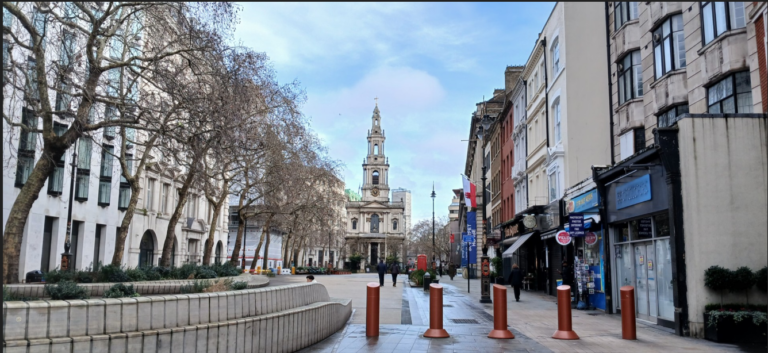
George Newnes, already the proprietor of the hugely successful Tit-Bits Magazine, launched The Strand to combine compelling storytelling with striking illustrations. One of the magazine’s most iconic front covers, drawn by George Charles Haité, depicted a bustling Strand street scene, looking towards St. Mary-le-Strand Church, with the magazine’s title hanging from telegraph wires.

Strand Cover as it looks today | Photo by David Turnbull
St Mary | Photo by David Turnbull

Non-fiction articles ranged from A Night in an Opium Den to Child Workers in London, often accompanied by detailed illustrations. Writers such as Winston Churchill and W.W. Jacobs contributed travelogues, while early commissions for illustrator Arthur Rackham added artistic depth to the pages. Newnes also pioneered interactive features, including the puzzle page with Henry Dudney’s Perplexities column, and illustrated celebrity interviews with figures such as Ellen Terry and Bram Stoker, drawn by Harry Furniss.

Burleigh St 1 | Photo by David Turnbull
Burleigh St 2 | Photo by David Turnbull

Sherlock Holmes: Fiction That Defined a Magazine

Although The Strand featured many forms of content, it was fiction that became its defining feature—most notably the Sherlock Holmes stories. Arthur Conan Doyle had already published two full-length novels, A Study in Scarlet (1887) and The Sign of Four (1890), but felt that Holmes and Dr Watson would thrive in short-form serialised fiction.

The first Holmes story, A Scandal in Bohemia, appeared in July 1891 and instantly boosted circulation to almost 500,000. Conan Doyle’s collaboration with illustrator Sidney Paget—originally intended for his brother Walter—proved legendary. Paget’s illustrations, including the famous deer-stalker hat, shaped the public image of Sherlock Holmes for generations.

When Holmes famously “died” in The Final Problem (1893), 20,000 subscribers were lost overnight, and young men in London reportedly wore black armbands in mourning. Holmes returned with The Hound of the Baskervilles in 1901, sparking huge queues outside the magazine’s offices. In total, fifty-eight Sherlock Holmes stories were published in The Strand between 1891 and 1927.

Writers, Illustrators and the Art of Collaboration

The Strand developed a model pairing writers with sympathetic illustrators, a practice that became central to its success. Notable examples include:

  • Agatha Christie – Worked with multiple illustrators on Hercule Poirot mysteries.
  • H.G. Wells – Collaborated with Claude Shepperson, Alfred Pearse, and Henri Lanos for works like The First Men in the Moon, The New Accelerator and When the Sleeper Wakes.
  • Edith Nesbit – Partnered with H.R. Millar for 14 years, illustrating classics such as Five Children and It (1902) and The Phoenix and the Carpet (1903).
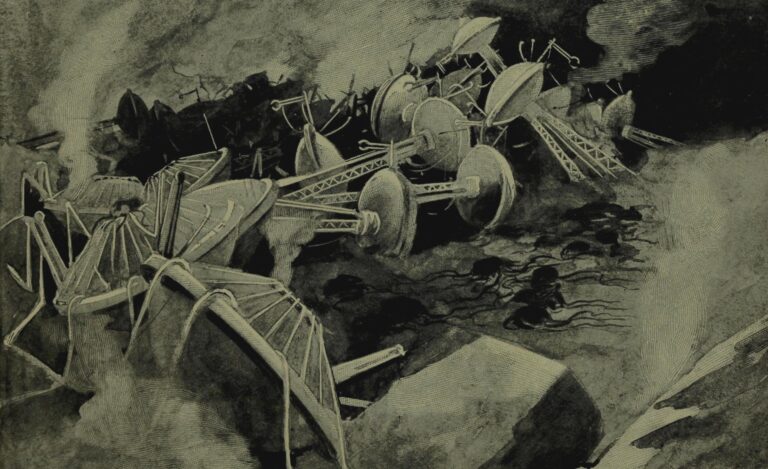
Goble, Warwick (1862-1943) - War of the Worlds 1898 - Overtaken by a death. | Photo by Public Domain Images

The magazine also nurtured female artists, including May Bowley, Nellie Syrett, Gertrude Bradley, Millicent Sowerby, and Alice B. Woodward, who later illustrated J.M. Barrie’s Peter Pan.

Rival Publications and the Changing Landscape

Pearson’s Magazine, launched in 1896 by C. Arthur Pearson, became a notable rival to The Strand, serialising H.G. Wells’ War of the Worlds in 1897 and introducing the crossword puzzle in 1922. Meanwhile, George Newnes continued to innovate with ventures such as the Westminster Gazette (1893), demonstrating the dynamic and competitive nature of Victorian publishing.

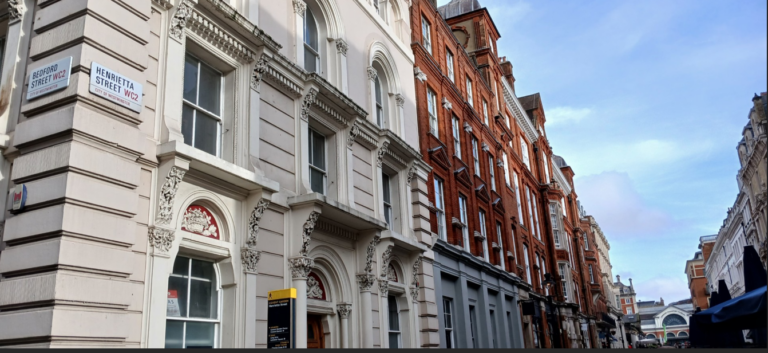
Henrietta Street | Photo by David Turnbull

The Legacy of The Strand Magazine

The Strand ceased publication in 1950, but its legacy endures. In 1998, the Strand Mystery Magazine was launched in the United States, publishing both contemporary crime fiction and lost works by writers like H.G. Wells and Agatha Christie. A student-led version at King’s College London also continues to celebrate the magazine’s cultural impact.

Kings College | Photo by David Turnbull

Even 135 years after its first edition, the stories and illustrations championed by The Strand remain influential, cementing its place in literary history.

Explore Sherlock Holmes in London

For enthusiasts eager to experience the iconic world of Sherlock Holmes firsthand, the Sherlock Holmes Museum at Baker Street is a must-visit: Visit the Sherlock Holmes Museum.

Book History of Horror private tour or History of Horror walk with David Turnbull.

Facebook
Twitter
LinkedIn

Related Posts

Scroll to Top