Introduction
You may well catch the Piccadilly Line through Hyde Park station, or if you are very unlucky, find yourself stuck in traffic on the huge roundabout that is Hyde Park Corner. Even if you cross the central island on foot, you are most likely to notice the monumental Wellington Arch, celebrating the Duke who defeated Napoleon. You may even spot the statue of him on horseback to the north, easily identifiable by his large hooked nose.
Yet, beyond these familiar landmarks, Hyde Park Corner is home to memorials that are often overlooked: the Australian and New Zealand war memorials.
Australian War Memorial
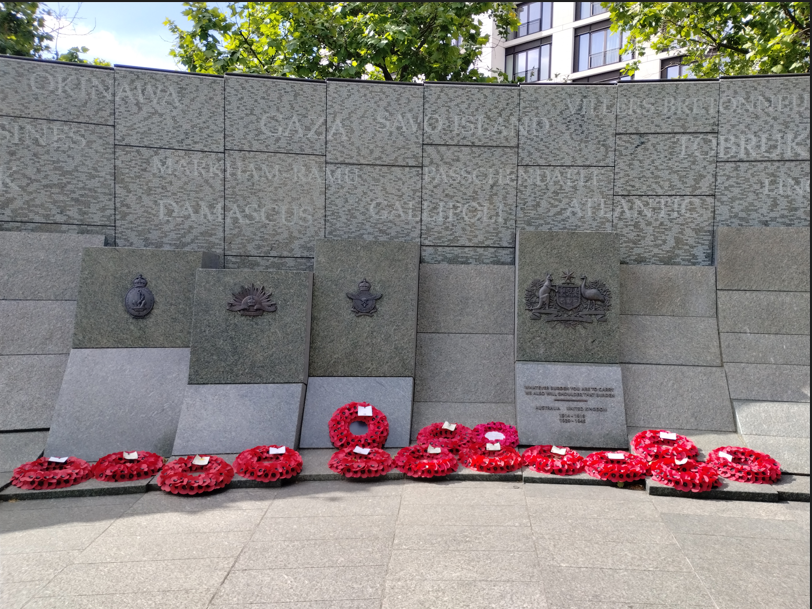
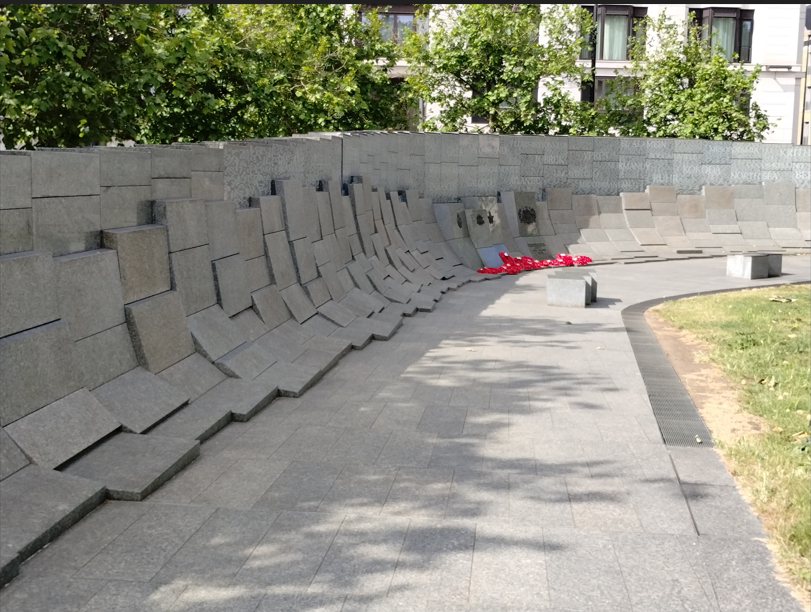
The Australian memorial consists of a wall that curves along the south side of Hyde Park Corner, shaped much like a boomerang. It is made of Australian granite slabs – the lower ones appearing to slide down the wall. Designed collaboratively by architects Tonkin Zulaikha Greer and artist Janet Laurence, it commemorates more than 100,000 Australians who died in the First and Second World Wars.
Etched on the wall are the names of thousands of locations from which soldiers answered the call to war, overlaid with the names of 47 battles where they fought and lost their lives. Some place names are painfully familiar – Gallipoli and Passchendaele, for instance.
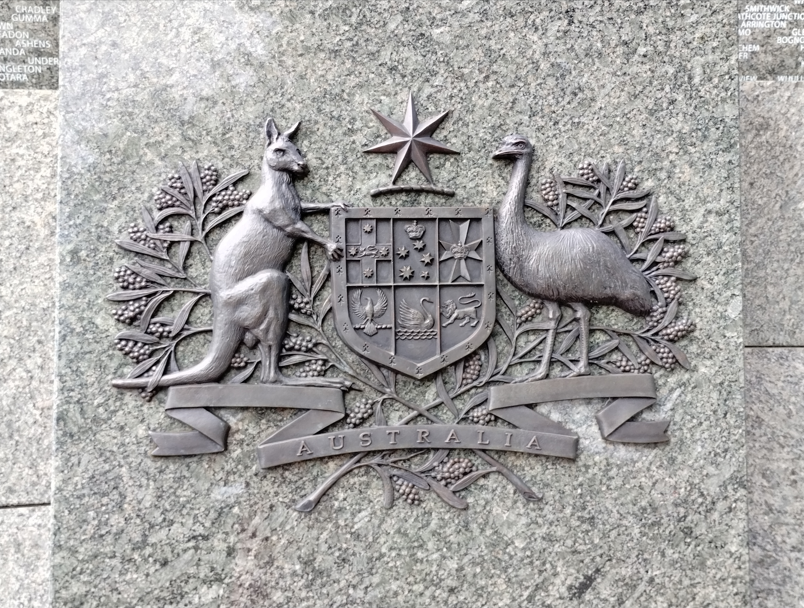
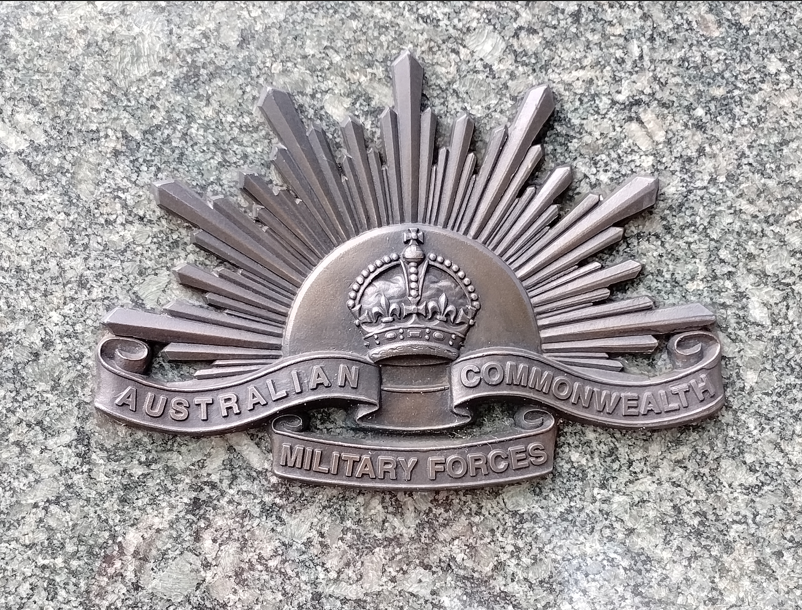
At the centre of the memorial are the Australian coat of arms with the kangaroo and emu, and the insignia of the different branches of the armed forces. This installation is relatively recent, unveiled by the late Queen Elizabeth II in 2003.
New Zealand War Memorial
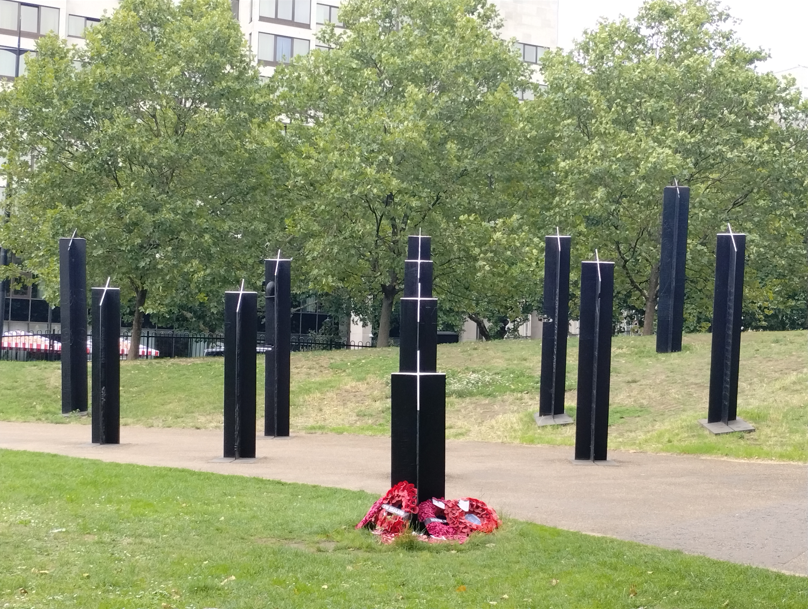
Towards the north-east side of Hyde Park Corner stands a very different memorial, dedicated to the war dead of New Zealand. It comprises 16 cross-shaped bronze sculptured girders, decorated with words, symbols, and images representing New Zealand culture. Arranged in the shape of a Southern Cross, the angle of each girder is said to echo the posture of warriors performing a haka, the ceremonial Māori dance.
Designed by sculptor Paul Dibble and architect John Hardwick-Smith, both New Zealanders, this memorial was unveiled by the late Queen Elizabeth II in 2006. Its style contrasts with the Australian memorial, yet both are moving in their own way and symbolise the enduring bonds between the UK and our Commonwealth allies.
ANZAC Day Commemorations
Both memorials serve as the focus of ANZAC (Australian and New Zealand Army Corps) Day commemorations in London every year on 25th April. In 2026, it will mark the 111th anniversary of the Gallipoli landings, when our antipodean allies first went to war alongside the UK.
Reflect and Discover
Why not take a few minutes to stop here at Hyde Park Corner, blanking out the noise of traffic, and reflect on what these memorials signify? Afterwards, take a leisurely stroll down Knightsbridge and into Belgravia.
London Guided Walks offers a private Secrets of Belgravia tour, where you can explore the streets and discover the characters of this wealthy enclave. Book your private tour with Jill Dalton.