Southbank Mosaics: Connecting Culture and Community

Introduction

There are artistic treasures tucked away in lesser-known corners of Waterloo and Kennington in Lambeth, on the south side of the Thames. These striking pieces are part of a distinctive collection of public street art that has evolved over the last two decades. Taking the form of ceramic mosaics, they are the work of dedicated volunteers, originally organised through a community initiative known as Southbank Mosaics.

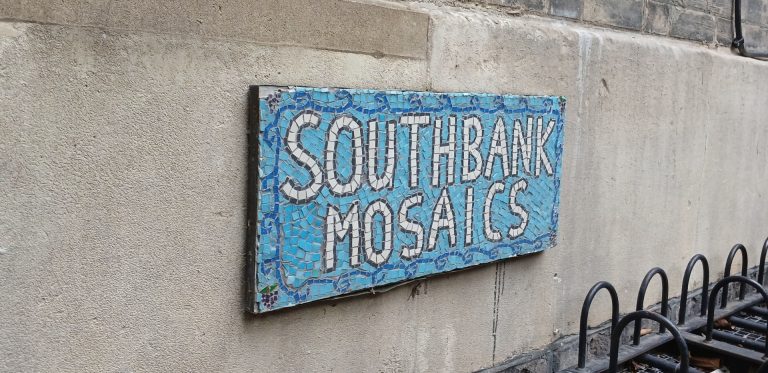
Southbank
Photo of Southbank Mosaic, Photo by David Turnbull

Background: The Origins of Southbank Mosaics

Southbank Mosaics began in 2004 as a voluntary arts project led by artist David Toothill. Based in the crypt of St John’s Church on Waterloo Road, the project aimed to revitalise the area and provide vulnerable and homeless young people with artistic skills and a creative outlet.

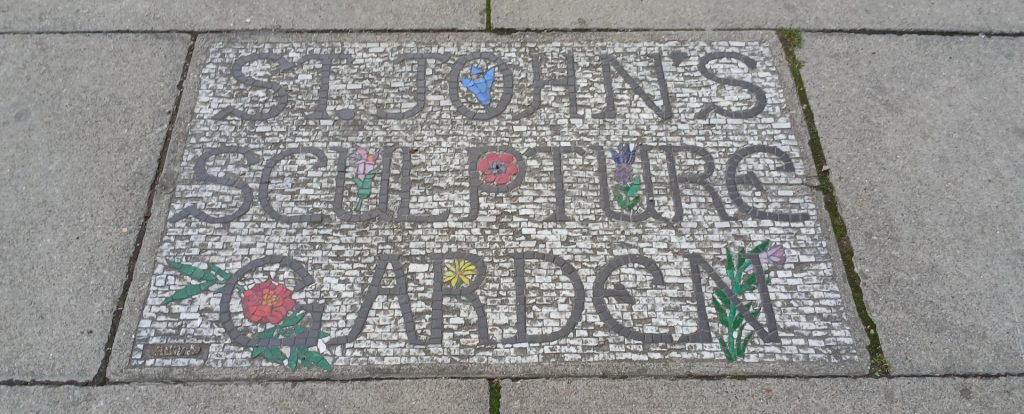
Photos of St John's Sculpture Garden,

Photos of St John’s Sculpture Garden, Photo by David Turnbull

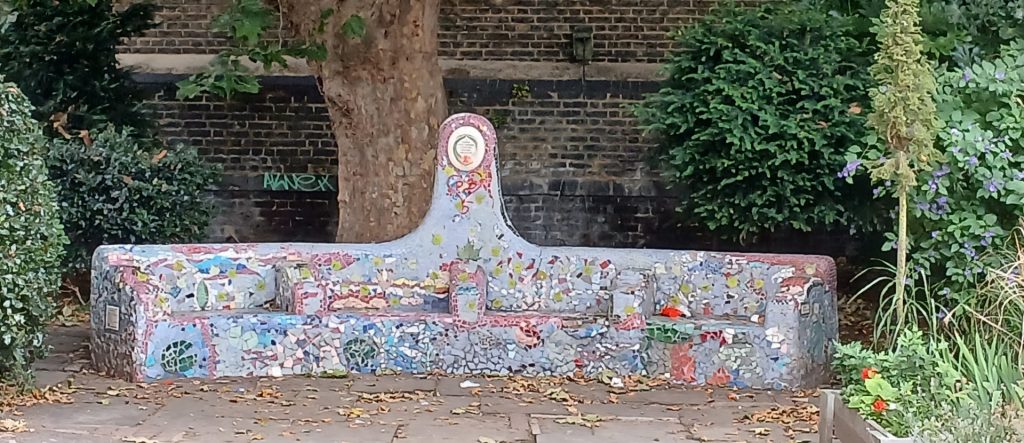
The initiative used ceramic mosaics as a way to foster self-expression, build community identity, and enrich the local environment. Today, many of these early works still remain in and around the church grounds, including a decorated seating area in the community garden, mosaic planters, and plaques on the church walls and garden paving.

Key Mosaic Locations

William Blake Trail: Hercules Road and Waterloo Arches

One of Southbank Mosaics’ earliest and most significant projects was a tribute to poet and artist William Blake, who lived locally in the late 18th century.
An introductory piece lies opposite St John’s Church, under the railway arches leading from Waterloo Road to Waterloo Station. It features a line from Blake’s Jerusalem:

“There is a grain of sand in Lambeth which Satan cannot find”

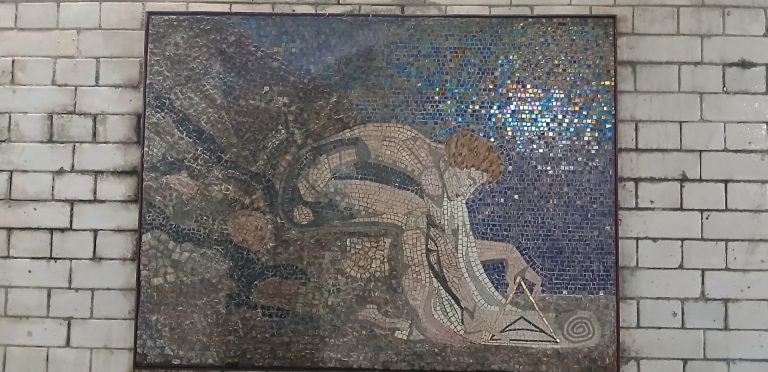
The main Blake mosaic collection continues through the three railway arches off Hercules Road, where Blake once rented a cottage from circus founder Philip Astley. The artworks here depict scenes from Blake’s poetry and prints, including portraits of Blake and his wife, Catherine.

Blake Mosaic, Photo by David Turnbull

Some mosaics have since been removed and relocated to the well-lit walkway above the platforms at Surbiton Station, making them easier to view in detail. Surbiton is just a short train ride from Waterloo.

Morley College: Celebrating Women of Lambeth

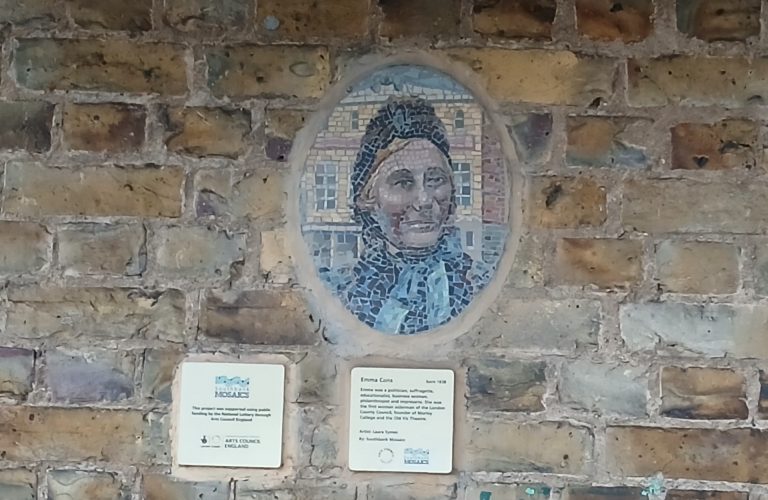
A collection of mosaics can be found on the exterior walls of Morley College on Westminster Bridge Road, where Lambeth Tour Guides receive their training. These pieces depict 14 notable women connected to the college and surrounding area, including founder Emma Cons and her niece Lillian Baylis, for whom Baylis Road is named.

Emma Cons Mosaicon Westminster Bridge Road | Photo by David Turnbull

Charlie Chaplin Tribute: Chandler Hall

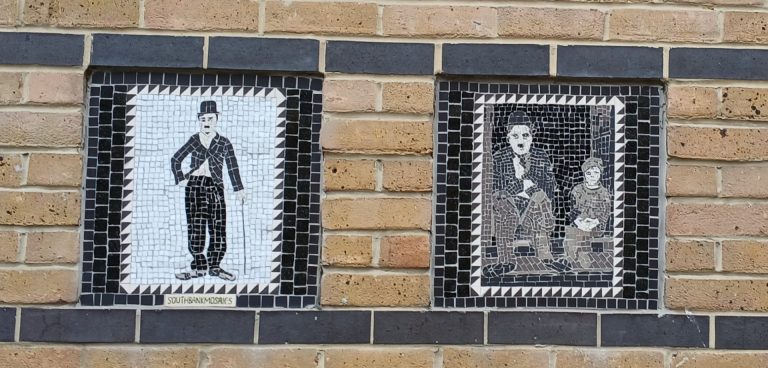
Charlie Chaplin, a local legend who grew up in Kennington, is honoured with four mosaics on the front of Chandler Hall on Lambeth Walk. One of these references a well-known scene from his 1921 silent film The Kid, inspired by his childhood experiences of poverty in the area.

Charlie Chaplin Mosaics on Lambeth Walk, Photo by David Turnbull

Black Prince Road & Salamanca Street Arches

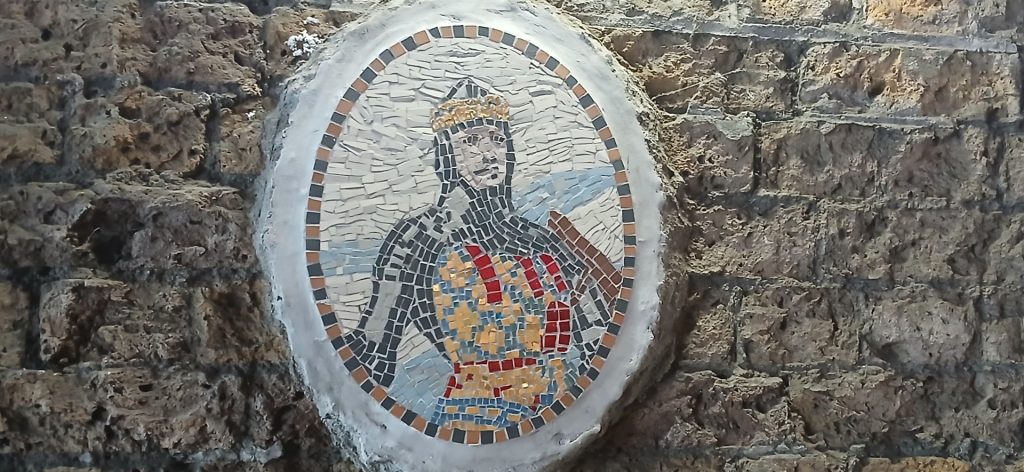
On Black Prince Road, mosaics depict Edward of Woodstock, known as the Black Prince, who had a 14th-century palace nearby.


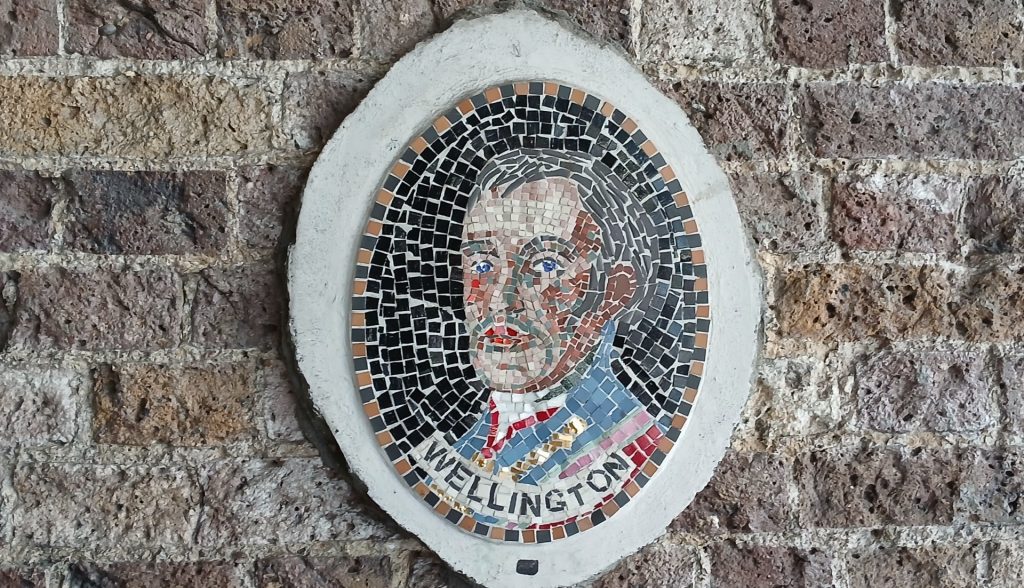
Nearby, the railway arch on Salamanca Street (named after the Battle of Salamanca) features mosaics of the Duke of Wellington and historic buildings from the Spanish town of Salamanca.


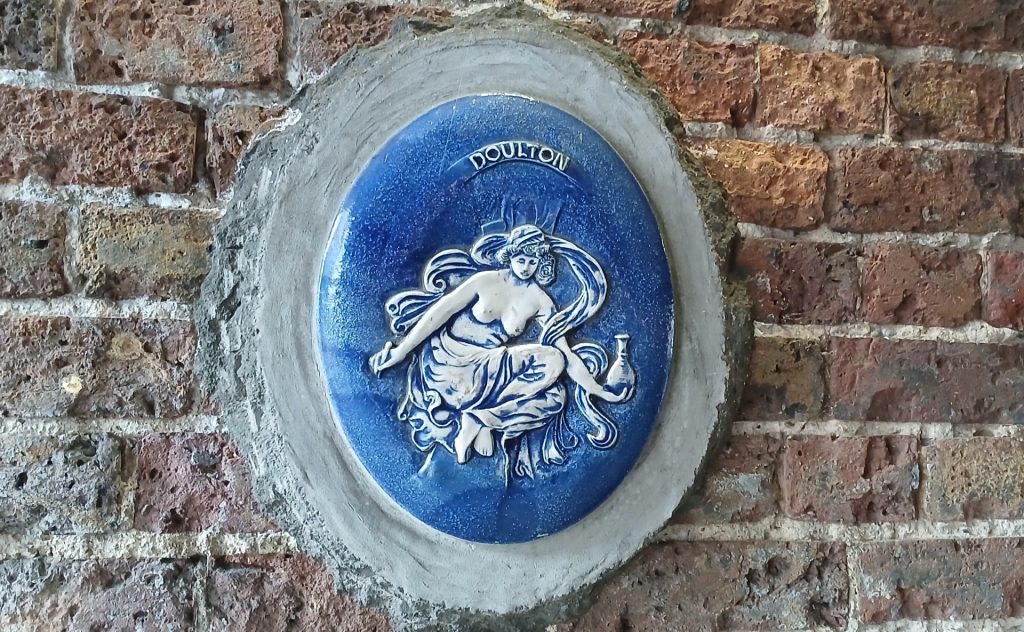
On the opposite walls of both arches, there are ceramics celebrating the legacy of Doulton’s Pottery, whose factory once stood on Lambeth High Street and Black Prince Road.

Photo of Black Prince Mosaic on Black Prince Road, Photo by David Turnbull
Doulton Mosaic on Salamanca Street, Photo by David Turnbull
Photo of Wellington Mosaic on Salamanca Street, Photo by David Turnbull

Waterloo Action Centre: A Tribute to Dave Squires

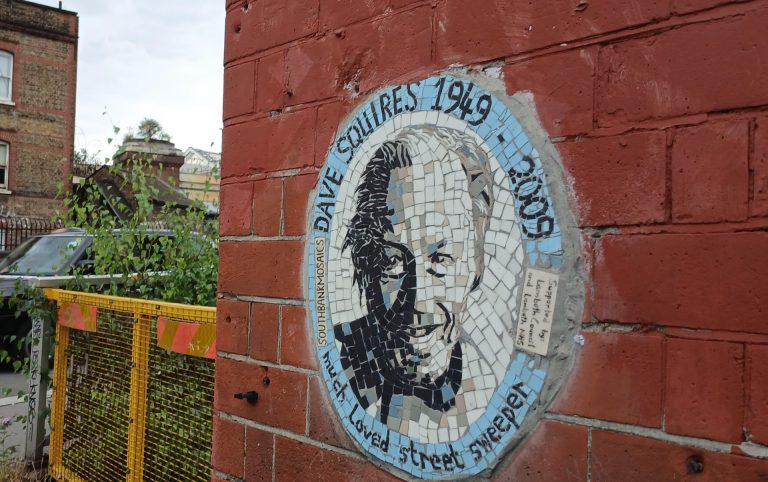
Perhaps the most heartfelt mosaic can be found outside the Waterloo Action Centre. This piece is dedicated to Dave Squires, who worked for over 20 years as the street sweeper for Lower Marsh Market, earning affection from the local community.

Dave Squires Mosaic outside the Waterloo Action Centre, Photo by David Turnbull

Legacy and Evolution: The London School of Mosaics

In 2017, Southbank Mosaics secured funding and transitioned into the London School of Mosaics, now based near Belsize Park in north-west London.
Since its founding, the organisation has completed more than 300 mosaic commissions across the capital.


One of their most impressive large-scale projects is the 30-metre-long Queenhithe mosaic, a riverside mural near Cannon Street on the north bank of the Thames.


📎 Learn more about the Queenhithe Mosaic


From railway arches to college walls, the Southbank Mosaics represent a powerful blend of local history, artistic skill, and community spirit. Whether you’re a visitor to London or a long-time resident, these vibrant installations offer a fresh perspective on Waterloo, Kennington, and beyond — celebrating the people and stories that have shaped the area through the medium of mosaic art.

📚 Have a read: From Libraries to Loaf: A Literary Stroll Through Waterloo

Want to Know More? Plan a Visit

Facebook
Twitter
LinkedIn

Related Posts

Modern Day 2000+
Hazel Baker

St Paul’s Cathedral Filming Locations

St Paul’s Cathedral in Films: London’s Cinematic Showpiece Introduction London’s St Paul’s Cathedral isn’t just a symbol of architectural grandeur and historic resilience; it’s also

Read More »
Scroll to Top