Introduction
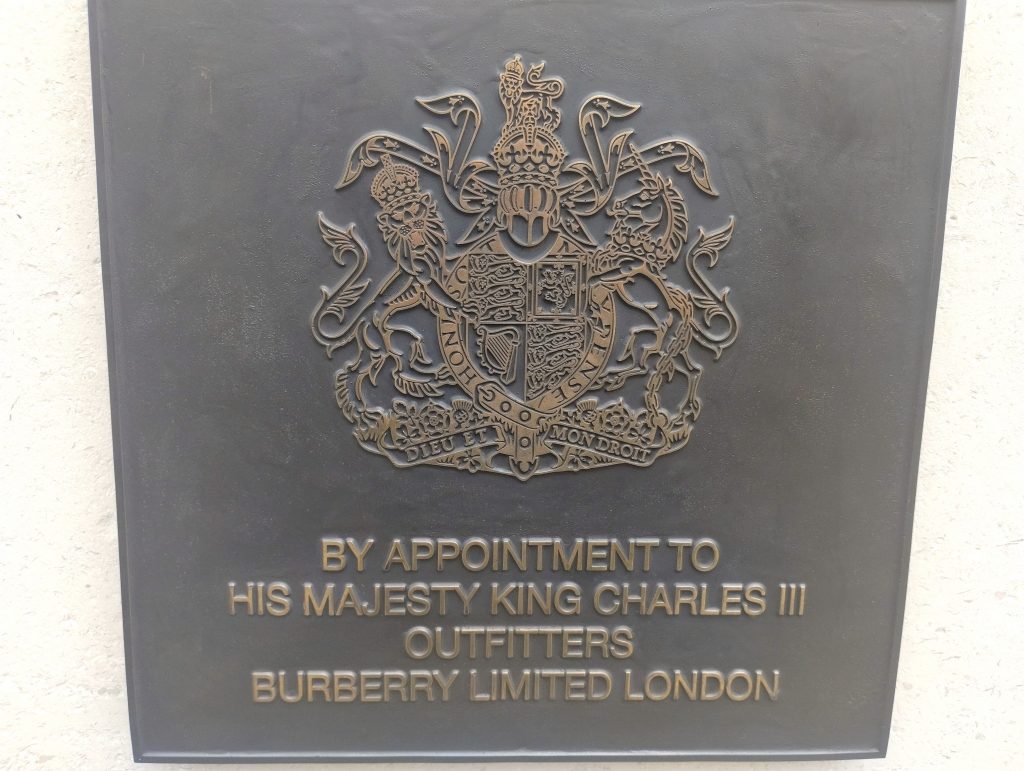
Since the passing of Queen Elizabeth II, a subtle transformation has been taking place across London’s most historic shopping streets. New crests and coats of arms are appearing over familiar doorways — signs of freshly appointed Royal Warrants, issued under King Charles III.
But what exactly is a Royal Warrant and why is it so significant? Granted as a stamp of excellence by members of the Royal Family, a Royal Warrant recognises companies that supply goods or services to the Royal Household. For shoppers, it signals quality, craftsmanship, and centuries of tradition — especially around London’s elegant St James’s district.
It has been more than three years since the passing of Queen Elizabeth II, and eagle‑eyed Londoners may have noticed a subtle transformation on our streetscape. Across St James’s and Piccadilly, newly designed royal crests are appearing above familiar doorways. These mark the introduction of fresh Royal Warrants — a centuries‑old symbol of excellence, now issued under King Charles III.
But what exactly is a Royal Warrant, and why do they matter so much to British heritage?
What Are Royal Warrants?
A Royal Warrant is an official mark of recognition granted to companies that supply goods or services to the Royal Household. It allows a business to display the Royal Arms in connection with its trade for up to five years at a time. According to the Royal Warrant Holders Association, it is issued only to businesses that offer “goods or services of the highest quality and excellence.”
That crest above the door is more than decoration — it’s an enduring symbol of trust, tradition, and craftsmanship dating back to the 15th century.
From Queen Elizabeth II to King Charles III: The Transition of Royal Warrants
During Queen Elizabeth II’s reign, three members of the Royal Family could act as Grantors of warrants: the Queen herself, Prince Philip and the then‑Prince Charles. When a Grantor passes away, their warrants automatically become void, although holders are permitted to use the Royal Arms for two years thereafter.
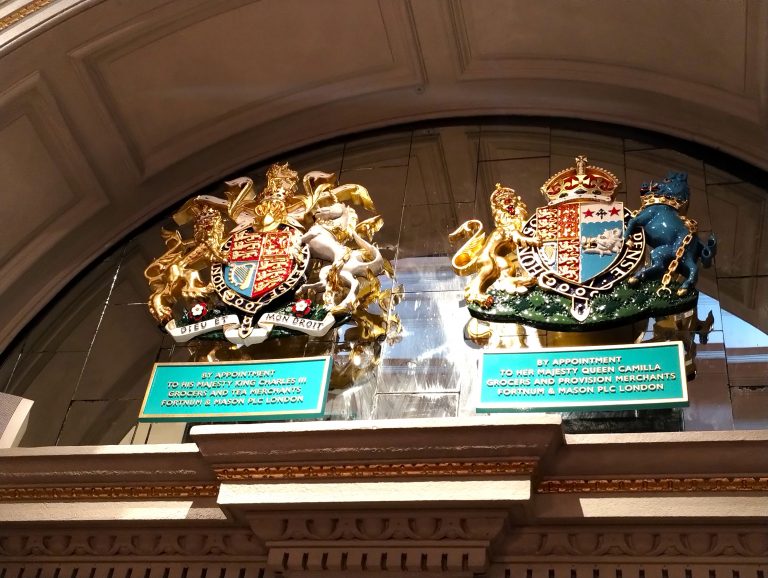
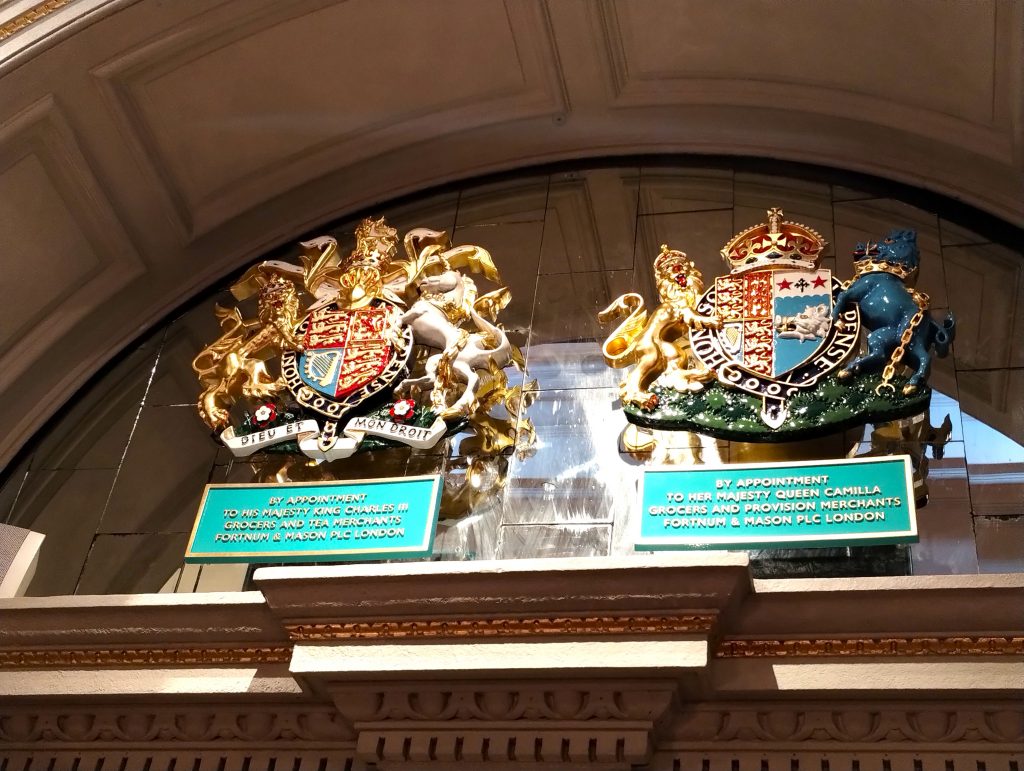
This explains why the crests featuring the late Queen and Duke of Edinburgh remained visible long after their deaths. Only recently have these been replaced with newly authorised Royal Warrants from King Charles III and Queen Camilla.
At present, the King has issued over 580 warrants, while the Queen has granted 22 — 14 of which overlap with her husband’s. From spring 2026, the Prince and Princess of Wales will begin awarding their own warrants, continuing this remarkable royal tradition.
Famous Royal Warrant Holders Across the UK
Royal Warrants are found all over the United Kingdom, often clustered near royal residences such as Windsor, Sandringham and Balmoral. They tell us much about the royal household’s preferences — from breakfast tea to motor cars.
Household names with Royal Approval include:
- Aston Martin – luxury cars
- Fortnum & Mason – fine groceries and hampers
- Moët & Chandon – champagne
Family-run and regional businesses are also represented:
- Deeside Deli, Ballater, Aberdeenshire
- Corgi Hosiery, South Wales
Each one holds a distinctive link to the Royal Family, reflecting both heritage and modern craftsmanship.
Royal Warrants provide a fascinating insight into the purchasing habits and tastes of the Royal Family, covering everything from food and wine to fashion and knitwear.
Where to Spot Royal Warrants in London
Nowhere showcases London’s Royal Warrants quite like St James’s, just a short walk from Buckingham Palace and St James’s Palace. This elegant district boasts an extraordinary concentration of warrant holders, many occupying their original premises for centuries.
Highlights include:
- Jermyn Street – renowned for men’s fashion and grooming, home to more Royal Warrants than any other street in Britain.
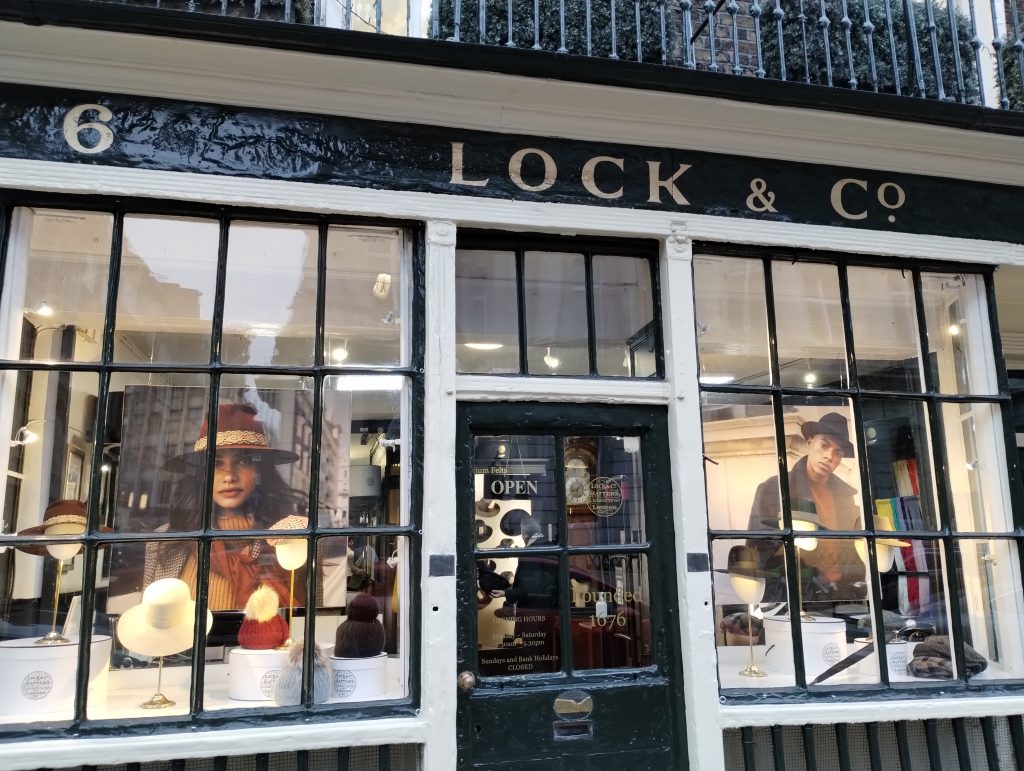
- St James’s Street – where the world’s oldest hatters, Lock & Co, and Britain’s oldest wine merchants, Berry Bros & Rudd, proudly display their warrants.
- Piccadilly – Fortnum & Mason, holder of two Royal Warrants, still epitomises luxury and royal connection.
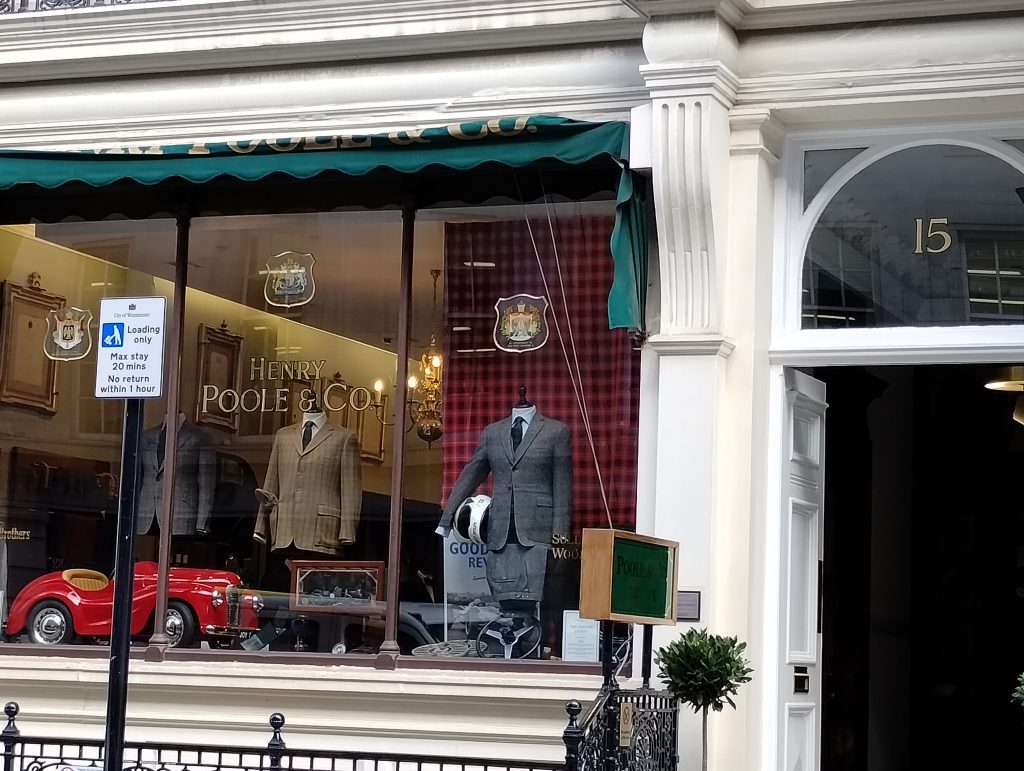
- Savile Row – tailoring houses like and Gieves & Hawkes continue the tradition of crafting bespoke suits and military uniforms for the Royal Household
- Bond Street – where modern brands such as Burberry exhibit their royal credentials with pride.
Each plaque is a small piece of living history — a nod to the enduring link between London’s craftspeople and the Crown.
These streets provide an ideal opportunity for a walking tour of London through the lens of royal recognition.
FAQ: Royal Warrants in London
What is a Royal Warrant?
A Royal Warrant is a document that permits a company to use the Royal Arms in connection with its business in an appointed trading capacity, usually for up to five years at a time as recognition of supplying goods or services to the Royal Household.
Who can grant Royal Warrants?
Royal Warrants are currently granted by King Charles III and Queen Camilla, with the Prince and Princess of Wales due to become Grantors from spring 2026.
How long does a Royal Warrant last?
Royal Warrants are typically granted for up to five years, after which holders may reapply; they are not automatically transferred when a monarch dies and warrant holders must be reassessed under the new reign.
Where can I see Royal Warrants in London?
St James’s, near Buckingham Palace and St James’s Palace, has one of the highest concentrations of Royal Warrant holders, including Jermyn Street, Piccadilly, Savile Row and parts of Bond Street.
How many Royal Warrants has King Charles III granted?
King Charles III began granting new Royal Warrants of Appointment in 2024, and businesses continue to be added to the directory of companies appointed to His Majesty and Her Majesty.
Explore London’s Royal Shopping Heritage
Once you start spotting Royal Warrants, you’ll see them everywhere. Why not make a day of it by joining me, Jill Dalton, for the Secrets of St James’s walking tour?
We’ll explore the elegant arcades, hatters and haberdashers that have served kings and queens for generations. It’s the perfect way to experience London’s royal shopping heritage — and discover why the Royal Warrants King Charles III grants today remain a vital mark of prestige.