

Introduction
Oliver Cromwell – Leadership, Legacy and Controversy in British History
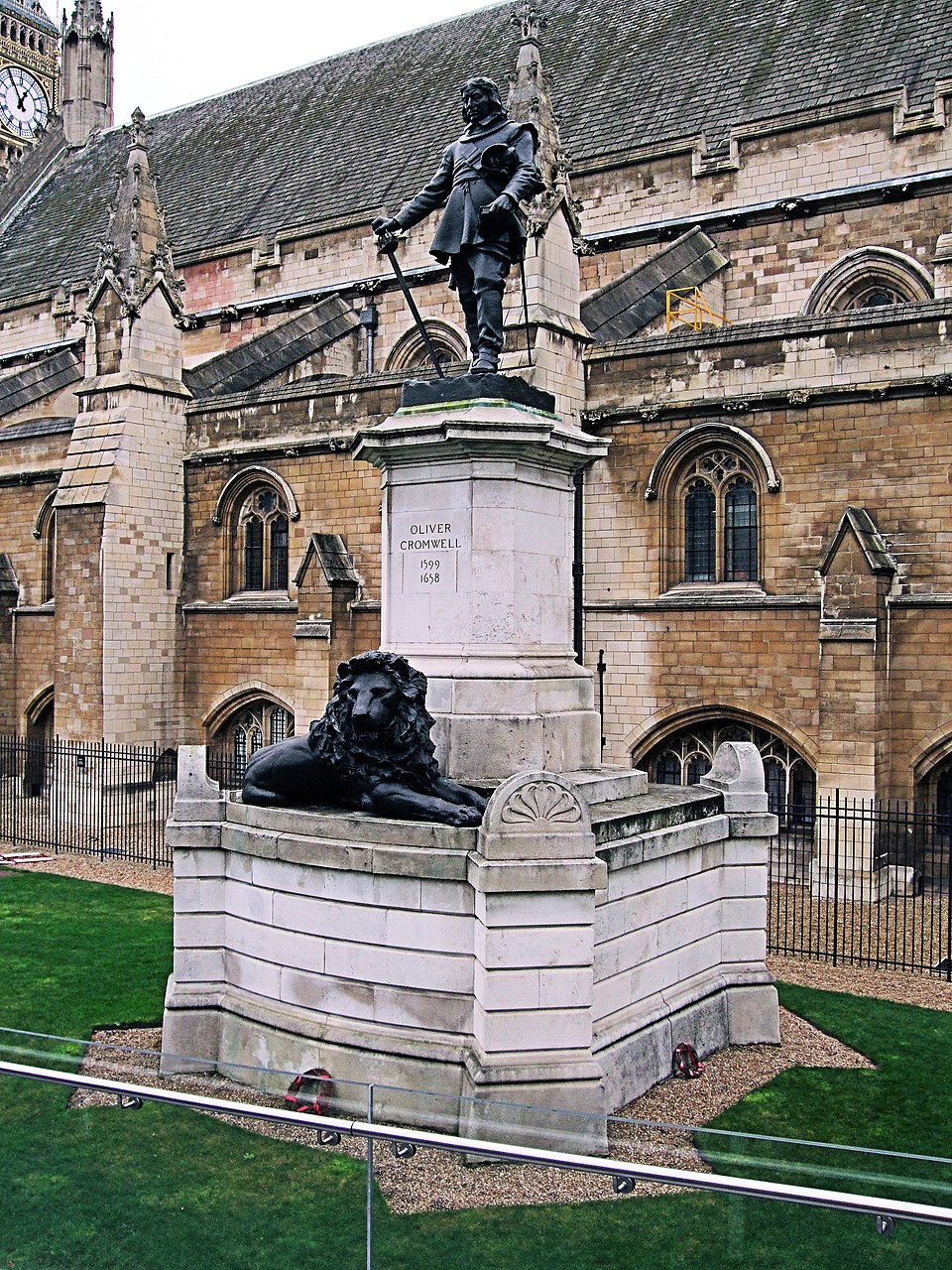
Oliver Cromwell remains one of the most debated figures in British history. Voted among the ten greatest Britons of all time in a 2002 BBC poll, his statue stands outside Parliament today as both a commemoration and a provocation. Hailed by some as the father of British democracy and condemned by others as a military dictator, Cromwell’s reputation continues to divide opinion. Even The Times marked the anniversary of his death in 1969 by printing two starkly contrasting tributes—proof that Cromwell’s legacy remains an enduring enigma.
Early Life and Rise to Power
Born in 1599 near Cambridge, shortly before the death of Queen Elizabeth I, Cromwell began life as a modest gentleman farmer. Although from the gentry, his family’s wealth was limited. He was baptised in the Church of England but later adopted Puritan convictions, deeply critical of King Charles I’s perceived Catholic sympathies.
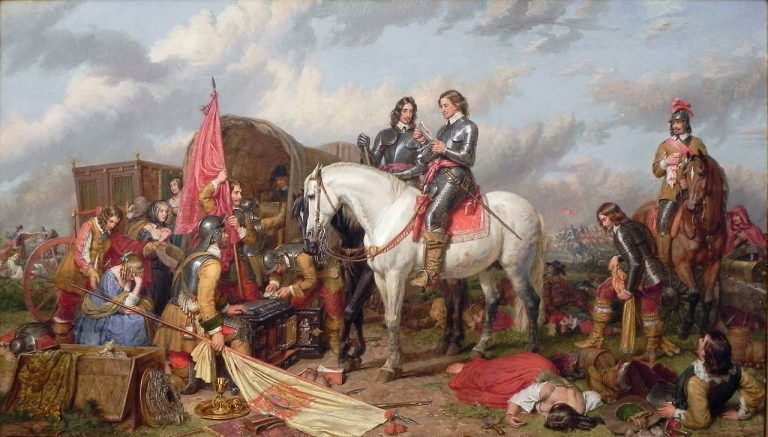
Serving as a Member of Parliament, Cromwell rose rapidly during the English Civil War (1642–1651), positioning himself as one of Parliament’s most able military commanders. His decisive role at the Battle of Naseby (1645) cemented his reputation, and by 1649, he was among those who signed the death warrant of Charles I—a moment that redefined English governance.
Leadership and the Commonwealth
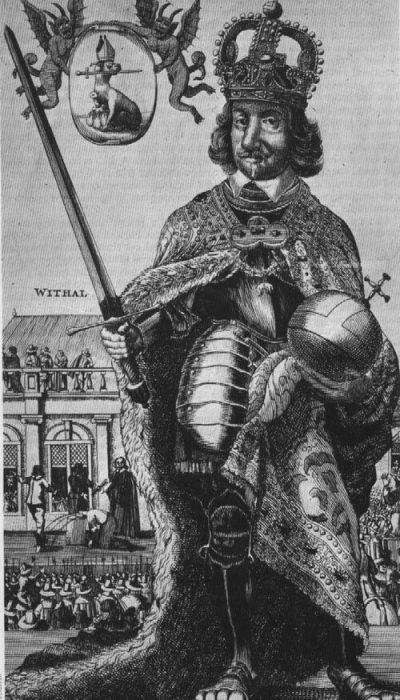
Following the king’s execution, Cromwell became Lord Protector of England, Scotland, and Ireland, leading the Commonwealth of England. His government promised reform and moral renewal but faced criticism for authoritarian tendencies. Some historians argue that his regime differed little from monarchy, particularly given his attempt to nominate his son Richard as successor.
Despite his flaws, Cromwell’s leadership revealed strategic brilliance. He transformed England’s army, strengthened parliamentary authority, and expanded the country’s global reach. Yet his impatience and occasional bursts of rage also shaped his controversial leadership style.
Religion, Ideology, and Controversy
Cromwell’s Puritan ideology guided much of his policy. Viewing Catholicism as a threat, he launched military campaigns in Ireland and Scotland—actions that remain among the most contested aspects of his rule. The brutality of the Irish campaign continues to define his reputation there.
Under his leadership, religious tolerance extended to some Protestant sects, yet dissenters still faced restrictions. His famous Putney Debates (1647) sparked discussions on democracy and civil rights, but Cromwell himself remained cautious of radical reform. His decision to dissolve the Rump Parliament symbolised the tension between principle and power—a struggle central to 17th-century politics.
Death and Posthumous Fate
Cromwell died on 3 September 1658 at Whitehall and lay in state at Somerset House. Initially buried with honours in Westminster Abbey, his body was later exhumed after the Restoration of Charles II. In a macabre act of retribution, his corpse was hanged at Tyburn and his severed head displayed outside Westminster Hall—a grim symbol of history’s divided verdict.
Legacy and Reflection
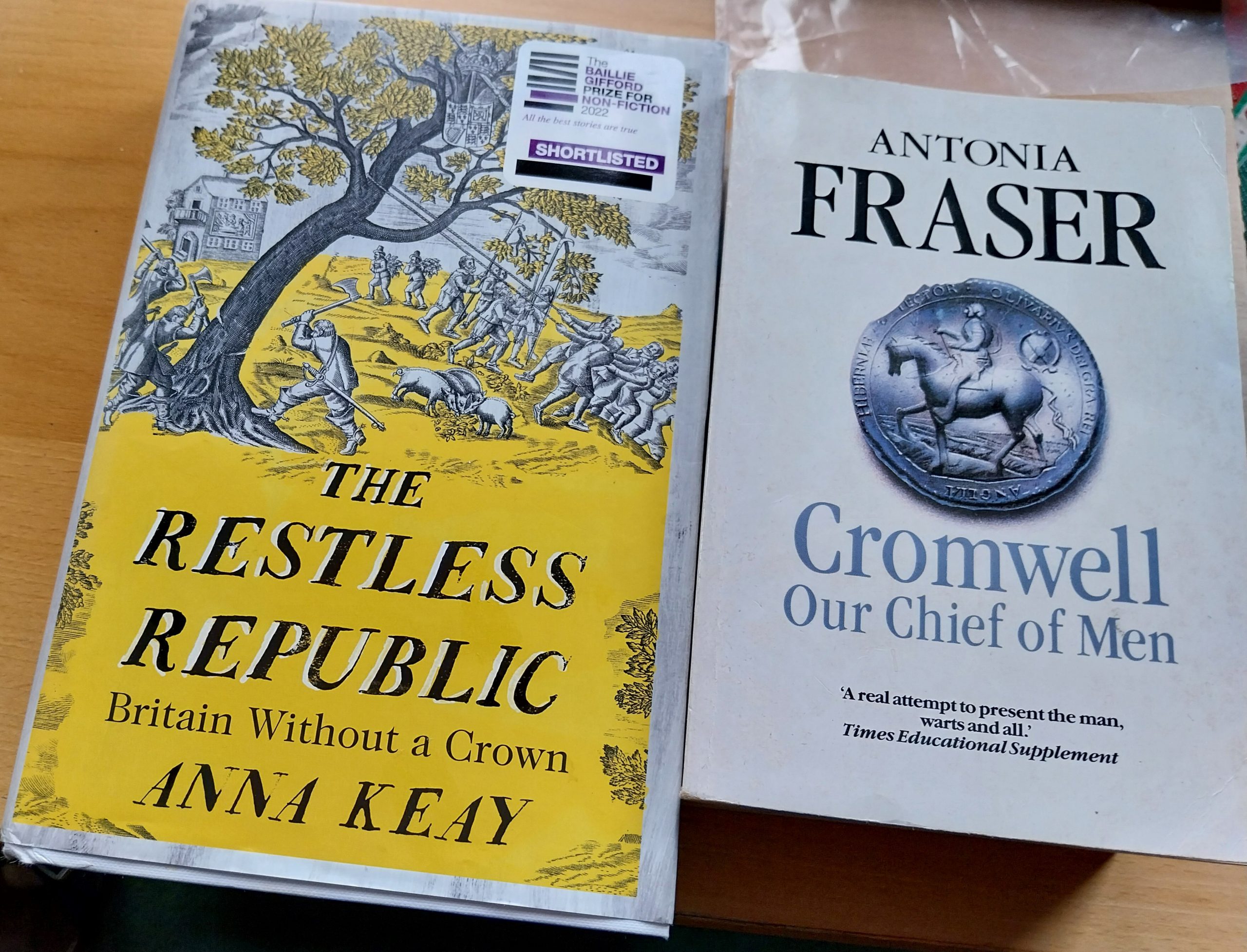
Historians such as Antonia Fraser, in Cromwell: Our Chief of Men (1973), portray him as a visionary soldier-statesman driven by deep conviction and flawed humanity. His rule reshaped ideas about democracy, governance, and military ethics in Britain. Whether he was a heroic reformer or self-styled tyrant, Cromwell continues to spark debate about how power should be used—and when it becomes abuse.
His story invites reflection on the nature of leadership, legitimacy, and legacy. Perhaps his famous remark about being seen “warts and all” explains why he still grips the national imagination.
Call to Action
Next time you ponder what democracy and leadership mean in Britain, think of Oliver Cromwell, the man who fought a king and ruled a nation without one. When you walk along Whitehall, where his statue watches the Houses of Parliament, imagine the conflicting ideals of liberty and order he embodied.
If you’d like to explore this history in person, book a private tour with Barbara Wright today and experience the story of Cromwell and other key figures of British history for yourself.


