Once the site of the magnificent Exeter Hall, this location was a vibrant hub for non-sectarian meetings and musical performances, drawing notable figures like Berlioz and Mendelssohn to its stage. As you wander through The Strand today, it’s hard to imagine the roaring lions and exotic creatures that once captivated Victorian crowds from the Exeter Exchange, or the haunting melodies that resonated through Exeter Hall. If you’re eager to uncover these captivating tales and more, consider joining a private Classical Composers of the West End tour, where every street corner whispers the legacy of a city alive with history and culture.
Exeter Hall: A Centre of Innovation
Exeter Hall was more than just a building; it was a hub of innovation and intellectual exchange in the heart of London. Built in 1831, the hall served as a venue for various gatherings that shaped social and cultural landscapes. From hosting non-sectarian meetings to musical performances, Exeter Hall became synonymous with progress and collaboration.

Non-Sectarian Meeting Hub
Exeter Hall was a beacon of inclusivity, welcoming a diverse range of groups for non-sectarian meetings. It provided a platform for discussions and assemblies that transcended religious and political boundaries. The hall was notably used by the Ragged School Union and the Anti-Corn Law League, organisations that championed social reforms and education.
The venue’s open-door policy allowed it to host significant events, such as the Anti-Slavery Society meeting in 1840, attended by Prince Albert. It was a place where voices could be heard, promoting causes of humanitarian importance. These gatherings were instrumental in advancing societal changes and nurturing a spirit of community action.
Exeter Hall also played a crucial role in the Civil Service exams, embodying the Victorian meritocracy ideal. This inclusive approach attracted intellectuals and reformers alike, ensuring a constant flow of ideas and debates that would influence generations.
Musical Milestones and Mavericks
Beyond its role as a meeting venue, Exeter Hall was a stage for musical innovation. It attracted composers and conductors who shaped the course of Western music. The hall was renowned for its acoustics and capacity, making it ideal for large-scale performances.
The Sacred Harmonic Society, a prominent musical group, regularly performed choral works at Exeter Hall. This society’s association with the venue elevated its status as a key player in the musical world, drawing attention from across Europe.
Key facts:
- Berlioz, among other notable conductors, graced the stage.
- The hall’s acoustics were particularly praised, contributing to the quality of performances.
- Exeter Hall’s musical legacy influenced the development of the concert scene in London.
Exeter Hall’s unique blend of innovation, inclusivity, and musical excellence left a lasting impact on London’s cultural landscape.
The Strand’s Architectural Evolution
The Strand’s architectural journey is a tapestry of transformation, from grand residences to bustling commercial spaces. This evolution reflects the changing priorities and tastes of London’s inhabitants over the centuries.
From Exeter House to Exeter Exchange
Exeter House, once a Tudor mansion granted by Queen Elizabeth I to William Cecil, marked the beginning of this journey. It was a grand estate with turrets and exotic gardens, symbolising power and prestige. Over time, as the needs of the city changed, the house gave way to the Exeter Exchange in 1676.
The Exchange housed a menagerie of exotic animals, fascinating Victorian Londoners. This unique attraction drew painters like Edwin Landseer, who immortalised the creatures in his works. However, the menagerie also faced challenges, such as the infamous escape and subsequent demise of an elephant, reflecting the era’s ambivalence towards exoticism.
This transition from a private mansion to a public spectacle highlights the Strand’s adaptability and the city’s evolving relationship with space and entertainment.
The Strand Palace Hotel’s Hidden Gems
The Strand Palace Hotel, which replaced Exeter Hall in 1907, is a witness to history’s layers. While it may seem like a typical London hotel, it harbours hidden gems from its past, particularly its art deco entrance from the 1920s jazz age. This entrance is preserved in the Victoria and Albert Museum, showcasing the elegance and style of that era.
Guests who traverse its halls can sense the bygone era’s spirit, with vintage photographs offering glimpses of the hotel’s earlier days. This history is a testament to the Strand’s continuing allure as a centre of culture and innovation.
The hotel continues to attract visitors eager to experience its historic charm and modern comfort, making it a pivotal stop on any historical walks in London.
Musical Legends of Exeter Hall
Exeter Hall’s musical legacy is enshrined in the performances and personalities that once graced its stage. As a venue, it bridged the gap between classical music and popular audiences, ensuring its place in London’s musical history.
Mendelssohn and the Swedish Nightingale
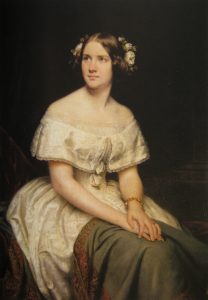
Felix Mendelssohn, a German composer, was one of the many luminaries associated with Exeter Hall. His oratorio, Elijah, had its London premiere here in 1847. Mendelssohn wrote parts of the oratorio for Jenny Lind, the famed “Swedish Nightingale”. Though she did not originally perform, her later appearance at Exeter Hall in 1848 honoured Mendelssohn’s memory and supported the Mendelssohn Scholarship Fund.
The relationship between Mendelssohn and Lind is shrouded in mystery, adding a layer of intrigue to their collaboration. Their connection reflects the artistic and personal complexities that often accompany great musical partnerships.
Key insights:
- Mendelssohn’s influence extended beyond his lifetime through the scholarship fund.
- Jenny Lind’s performances at Exeter Hall cemented her reputation as one of the era’s greatest sopranos.
Choral Masterpieces and Conductors
The choral performances at Exeter Hall were crucial in elevating London’s music scene. The Sacred Harmonic Society’s association with the venue ensured that it was a premier destination for music lovers. The society’s repertoire included oratorios and choral works that showcased the hall’s exceptional acoustics.
Notable conductors like Berlioz enhanced the hall’s reputation, drawing large audiences eager to experience the grandeur of orchestral and choral music. This vibrant musical culture cultivated a deep appreciation for the arts and inspired future generations of musicians and composers.
Takeaways:
- Exeter Hall’s acoustics were ideal for large choral works.
- Conductors of the calibre of Berlioz helped solidify the hall’s status as a cultural beacon.
Exeter Hall’s legacy as a musical venue continues to inspire those who explore the rich history of West End musicals and London hotels.
Book Barbara for a private Classical Composers in the West End tour