Introduction
Dracula is currently enjoying a theatrical revival in London. Last October, the Lyric Theatre in Hammersmith staged Morgan Lloyd Malcolm’s interpretation, retelling the legendary vampire story through the eyes of Mina Harker, one of the novel’s main characters. Recently, the National Youth Theatre presented Tatty Hennessy’s adaptation, blending traditional and modern elements of the gothic tale.
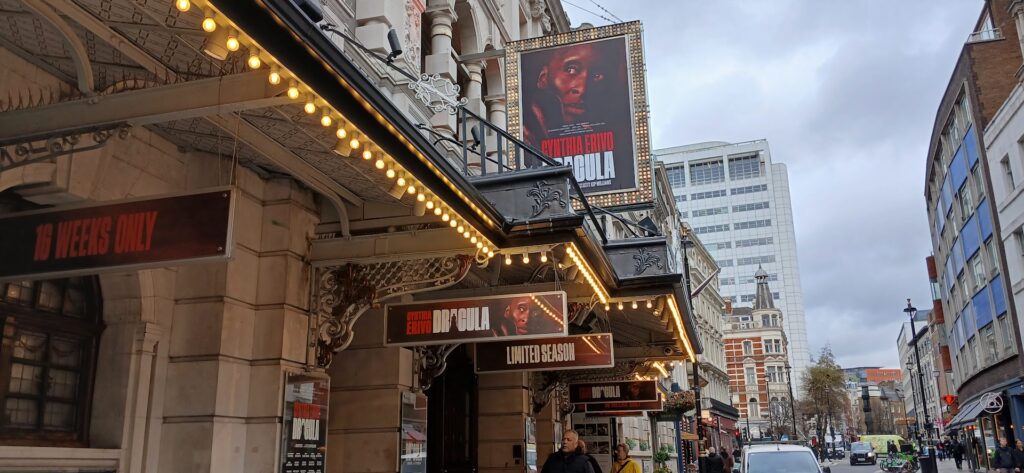
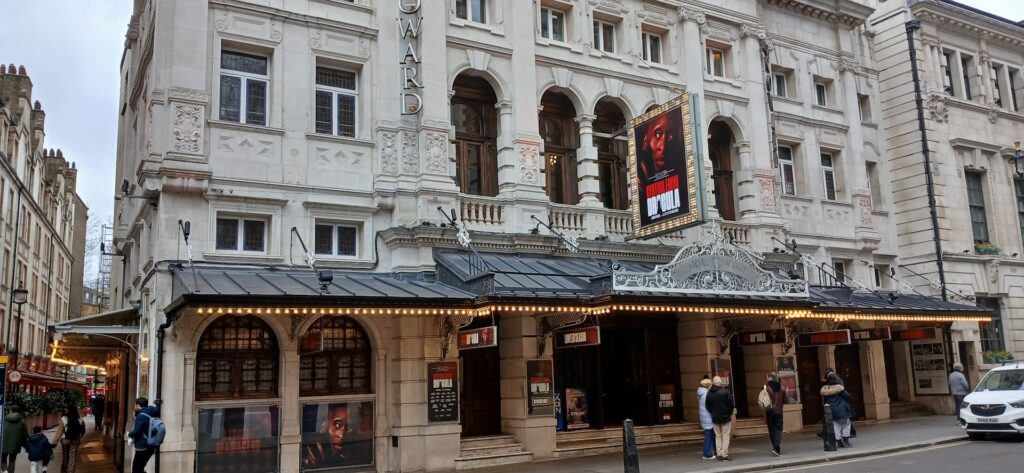
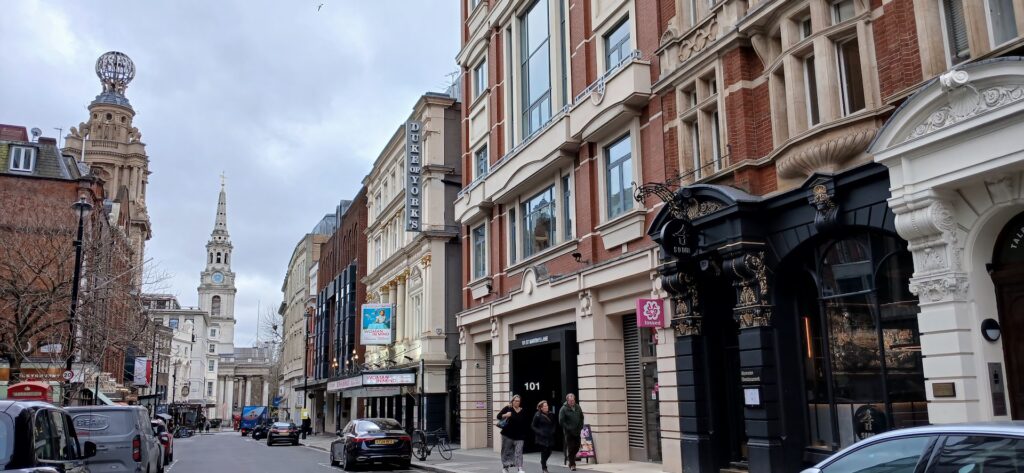
Wicked star Cynthia Erivo is taking the West End by storm, appearing in no fewer than twenty-three roles in Kip William’s one-woman adaptation at the Noel Coward Theatre in St Martin’s Lane. No sooner will this finish its run than Sadler’s Wells Theatre in Islington will stage Joel Burke’s highly acclaimed Dracula ballet.
This revival is fitting, as Dracula’s theatrical DNA has been entwined with London’s stage for over two centuries.
Bram Stoker and the Birth of a Gothic Icon
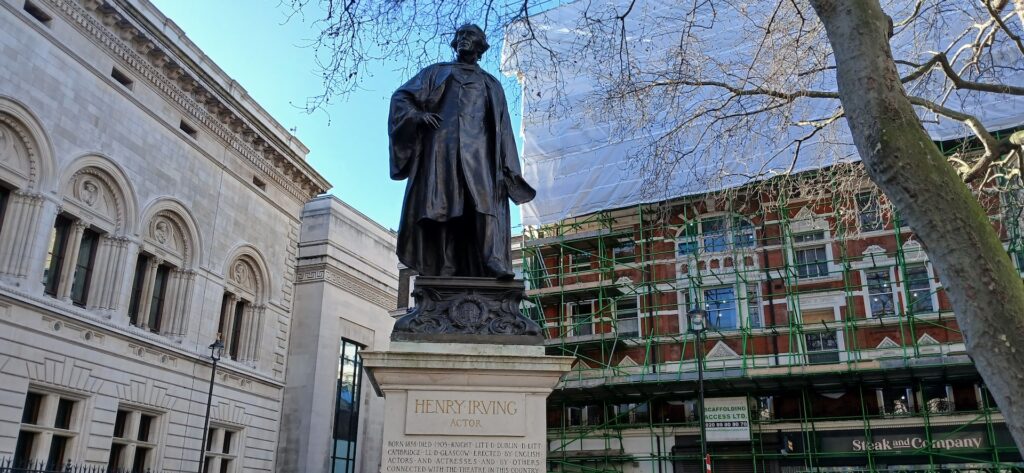
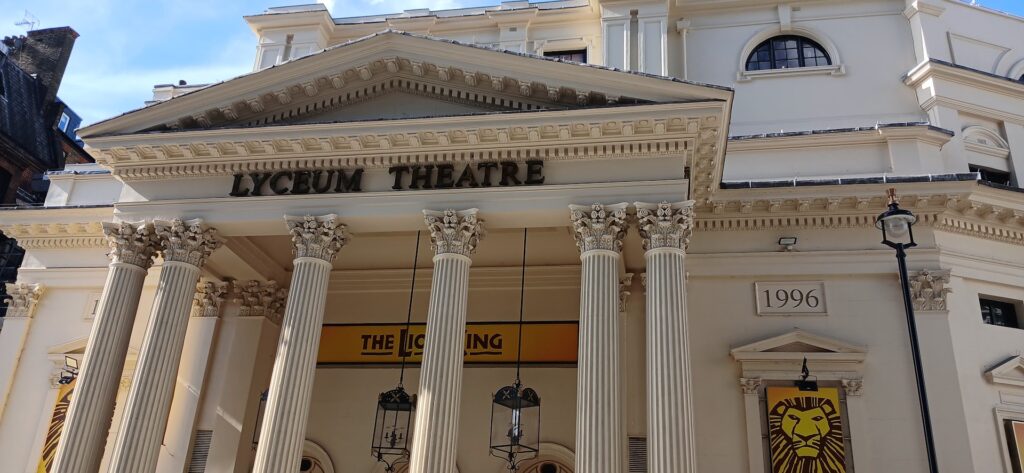
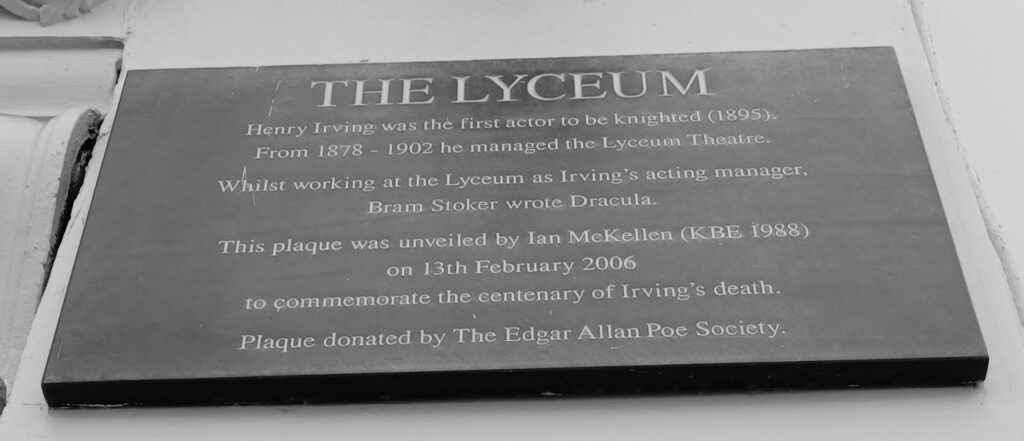
Bram Stoker, author of the 1897 classic novel, worked under theatrical legend Henry Irving at the Lyceum Theatre in the Strand while writing Dracula. The Lyceum had a longstanding tradition of staging gothic horror adaptations.
- 1820: James Planche adapted John Polidori’s The Vampyre, marking the first vampire character on a London stage.
- 1823: TP Cooke reprised his role as Lord Ruthven and became the first actor to play Frankenstein in Richard Brinsley Peake’s Presumption; or The Fate of Frankenstein. Mary Shelley attended this performance.
- 1880s: The stage adaptation of Robert Louis Stevenson’s The Strange Case of Dr Jekyll and Mr Hyde caused a sensation, coinciding with the Jack the Ripper murders.
These productions and the gothic atmosphere of the Lyceum inspired Stoker’s imagination. His depiction of Dracula is said to have been influenced by Henry Irving’s portrayal of Mephistopheles in the Lyceum’s Faust.
Influences from the Lyceum and Literary Circles
Stoker also drew inspiration from social interactions at the Lyceum. The Beefsteak Room dining hall allowed him to meet literary greats such as Arthur Conan Doyle, Oscar Wilde, and Henry James.
A particularly consequential encounter was with Arminius Vambrey, a visiting professor from the University of Budapest, who shared Romanian folklore about the bloodsucking undead—later inspiring Professor Abraham Van Helsing.
Early Stage Readings of Dracula
On 18 May 1897, eight days before the novel’s publication, Stoker organised a marathon live reading at the Lyceum titled Dracula; or, The Un-Dead. The five-hour event was described as “dreadful” by Henry Irving, but it laid the groundwork for Dracula’s theatrical future.
Hamilton Deane and the Iconic Stage Dracula
Hamilton Deane, an Irish actor and theatre manager, was captivated by Dracula and Irving’s stagecraft. Twenty years later, he produced the ground-breaking Dracula stage play, transforming the Count from a grotesque old man into a suave 1920s socialite.
Deane introduced stage innovations including:
- Spring-loaded vampire trap doors
- Stiffened capes to create dramatic vanishings
- Model bats on zip wires
- Sound effects and on-hand nurses for audience safety
The play premiered in Derby, with Deane as Van Helsing and Dora Patrick as Mina Harker. Its West End success included four consecutive runs between 1927 and 1928, establishing Dracula as a theatrical icon.
Bela Lugosi and Dracula’s International Legacy
The American Broadway adaptation of Deane’s play launched Hungarian actor Bela Lugosi into stardom, leading to Universal Pictures’ 1931 film. Deane also adapted Frankenstein for the stage, influencing Boris Karloff’s famous portrayal.
Deane revived Dracula in London in 1939, and again in the 1950s with Lugosi reprising the role, though these later productions faced challenges from competing events and Lugosi’s declining health.
Dracula’s Enduring Connection to London Theatre
From Stoker’s experiences at the Lyceum to Hamilton Deane’s innovative stagecraft and Bela Lugosi’s legendary performances, Dracula’s connection to London theatre is long-standing. Today’s West End revivals continue this rich tradition, keeping the gothic legend alive on the stage.
Book Your Tour
Discover London’s gothic theatrical history for yourself. Book a tour with David Turnbull and explore the city that inspired Dracula: