Discover how Victorian London helped shape the modern vampire myth in this special World Dracula Day episode of the London History Podcast. From Byron and the Romantic poets to penny dreadfuls, Fleet Street publishing, Bram Stoker, and the Lyceum Theatre, explore the literary and theatrical connections that led to Dracula becoming one of the world’s most enduring Gothic creations. Journey through London’s dark streets, theatres, and literary circles while uncovering the city’s deep connections to vampires, Gothic fiction, and Victorian horror. Listen to the latest episode of the London History Podcast!
Hazel Baker: Hello and welcome to London Guided Walks London History podcast. In the coming episodes, we will be sharing our love and passion for London, its people, places and history in an espresso shot with a splash of personality. For those of you who don’t know me, I am Hazel Baker, founder of London Guided Walks, providing guided walks and private tours to Londoners and visitors alike.
George Frederick Handel moved to London in 1711 at the age of 26 and lived here for the rest of his life, becoming a British citizen in 1727. He was a major benefactor of the Foundling Hospital, London’s first home for abandoned children. His benefit concerts for the hospital raised many thousands of pounds. And it was also one of these charity concerts that Handel’s Messiah was played for the very first time.
Forwarding to the 20th century, a businessman by the name of Gerald Coke, for over 60 years, collected handle’s material, including books in Liberty.
To tell us more about the Gerald Coke Handel Collection is Katharine Hogg, librarian of the Gerald Coke Handel Collection at the Foundling Museum, where she has worked for over 20 years. She is also currently president of the UK branch of the international association of music libraries. Katharine has degrees in music and librarianship, and also works as a freelance music library consultant on various projects.
Hello, Katharine, thanks for joining us today.
Katharine Hogg
Katharine Hogg is the Librarian of the Gerald Coke Handel Collection at the Foundling Museum, where she has worked for over 20 years and will be sharing her vast knowledge and deep love for the Collection.
Katharine Hogg: You’re welcome. Thank you. It’s nice to be here.
Hazel Baker: I’m sure many of our listeners will want to know what is The Gerald Coke Handel Collection?
Katharine Hogg: It’s a collection of memorabilia, music, books, scores, all sorts of things related to the composer, Handel, and his contemporaries. And it was collected by Gerald Coke over the whole of his lifetime in the 20th century.
Hazel Baker: And who was Gerald Coke?
DEC84586 Credit: Portrait of George Frederick Handel (1685-1759) c.1736 (oil on canvas) by Hudson, Thomas (1701-79) (school of) Gerald Coke Handel Collection, Foundling Museum, London/ The Bridgeman Art Library Nationality / copyright status: English / out of copyright
Katharine Hogg: Gerald Coke was a businessman who worked mainly in the city and made a lot of money and decided instead of spending it on fast cars and yachts and so on to actually just collect stuff.
Hazel Baker: And how did his collection begin?
Katharine Hogg: He started with Mozart, but Mozart was very expensive and most of it had already been collected, but then he’d switched to Handel.
Hazel Baker: But why Handel then?
Katharine Hogg: Because Handel lived most of his life in England, there was still a lot of stuff about, and it was quite cheap and you could pick stuff up for shootings, as he said in the 1930s. You can’t do that now, sadly, he did collect all this stuff and it became the biggest private collection of Handel memorabilia in the world and Handel material.
Hazel Baker: And how did this rather unique collection end up at the Foundling Museum?
Katharine Hogg: Well, Handel was a big supporter of the Foundling Hospitals. So that was an 18th century children’s home, not quite an orphanage. These are children whose mothers couldn’t look after them. And Handel did quite a lot of benefit concerts to support them. So Gerald Coke, when he was looking for somewhere to think about putting his connection decided that that would be a fitting place to put his collection as a sort of way of supporting the charity in a slightly different way. And at that point, the charity, which is now called Cortland, it’s a childcare charity established a separate charity to be the Foundling Museum, which tells the story of Foundling Hospital and all the artists and creative people who supported it, which included Handel.
Credit: Gerald Coke Handel Collection, Foundling Museum
And then there’s also this massive collection of a FINRA as we call it, which is tickets and programs and playbills and all sorts of bits and bobs, everything from a tobacco jar from the 19th century with a picture of Handel on it, to a memory stick from 2009 anniversaries.
And because we’re a sort of mixed collection, we can have all this sort of stuff, which normally is slightly looked down upon, I suppose, by your traditional sort of institutions, but it’s actually what makes the person come alive and the place come alive.
Hazel Baker: Well, absolutely. I mean, history in essence is about people and people have stuff and that stuff tells you a lot about the people that own them. And also about the people the stuff is about, or the events.
I have a box of programs from shows and musicals that I saw as a teenager and in my early twenties. And I would wait at the stage door and ask the performers to have that autograph right by their bio pages. And even though that’s not worth anything, it does tell a story.
So what kind of tickets and programs are in this collection?
Katharine Hogg: We got tickets from the 18th century. They’re beautiful engraved artworks, they’re sort of A5, even up to A4 sort of size and the works of art in their own right. And so that’s tickets to say the founding hospital Messiah performance in 1770s or to the big Handel festivals in the 1780s and right up to, but some of the programs are quite fun as well because even from the 18th century, people would score on their programs.
So you get these different notes saying supply Maria or this isn’t as good as last time I heard it. And things like that, which, you know, in an 18th century hand it’s is quite fun to sort of see someone was passing judgment even then. And I don’t think, as you say, even if you don’t know who the person is, you can, what you can think when it’s, it’s definitely an informed opinion. So they’re quite fun to see.
Hazel Baker: It’s interesting to think of these invitations, some of them being A4 size. So the size of them, is that because they’re supposed to be seen? Are they going to be left on people’s mental pieces, do you think?
Katharine Hogg: Well, I suppose so. I suppose it was just like today, you know, you get the, even you have your invitation that you’re very proud of and that you stick it on your fireplace. And I can only think that because when you went to the concert, you gave it in and it was usually just ripped in half, you know, just to cancel it really. So we have two or three that have been ripped, but obviously the first decided to keep them now we’ve had them carefully put back together again, but then of course, most of them were just throw away items. And because they’re actually beautiful artworks, it seems sort of a shame, but, but that’s the sort of stuff that is almost more interesting because people didn’t keep it. And now we see how valuable it is. It tells you all sorts of things, what you did with your ticket, where you handed it in and we have very sort of other documents, let’s say that sort of thing that you passed it in here and you’d gave it in there and it was stamped on the back.
Some of them have one of your wax seals on as well. So they really sort of the tangible documents. Cause somebody actually had that in their pocket or their purse or their handbag or whatever it was. You just need a few people who collected their stuff. You know, as you say, as you say you did with your childhood collections, you just need a few people who collected their stuff. And if we can get those, only recently, we acquired a whole load of stuff. A Handel fan, should we say who’d been to every opera performance since whenever, and has got all the programs and all the tickets and notes and so on. And that’s good stuff to have because that tells us about Handel now and how people still enjoy it now. So all these people shouldn’t throw their stuff away too quickly, I think.
Hazel Baker: And what’s your favourite item in the collection?
Katharine Hogg: Well, I think actually my favourite thing is probably another little thing, which is Handel writing a receipt for borrowing the Capitol drums in the tower in front of them. And they were the only really big drums that you could get. And he wanted them for the dove March and saw one of his oratorios is big, serious piece. And, and the only place to borrow them was actually from the military. So we’ve got this lumpy receipt bearing promise to bring them back in good repair, you know, and, and he has to sign it. And he’s doing that alongside writing all these amazing music. Yes. I like the way he has to do with the everyday life at the same time. So that brings it home.
And the other thing I’d probably like is best is his will, which is probably our star piece. And it is the original will that was in his via rose at it was opened when he died. And that just tells us quite a lot about the man, because it starts with his servants. First off, the first person you mentioned is his servant, which is really unusual in the 18th century, usually the servants came at the end and got their shillings or year’s wages. And he starts with his servant. And the family actually come at the end and he haven’t fallen out with them because they were back in Germany and they sort of got the residue, but, but he wrote the will and then he wrote several codicils sort of extras over the nine years after the will. Mostly when someone had died and you wanted to reallocate whatever he was giving them.
Credit: Gerald Coke Handel Collection, Foundling Museum
But also the last one, I mentioned his neighbours. He’s a profit Curry, you know, the people over the road, that sort of thing. So people who were very much in his actual daily life probably, and that, I think that’s quite a nice human touch because there’s not a lot of letters that survive. There’s a few, but not many because they haven’t got reams and reams of them. And we actually have a few at The Gerald Coke Collection but there aren’t many out there at all. So actually his will really tells us a lot about his social networks, really. I mean, you know what he did and who is, who we got on with and sort of can, we didn’t get on with it. You can see by the people that weren’t mentioned in the will so that’s quite a nice thing to have and see.
Hazel Baker: It’s nice to see the man behind the request as well, isn’t it?
Katharine Hogg: Yeah. The will also shows the mentions the Foundling hospital because he left the school in parts of Messiah to them because he’d been doing these benefit concerts over the year for 10 years to raise funds for them. And then he realized he wouldn’t be able to carry on if they didn’t actually have the music cause it wasn’t published in those days. It was just manuscript copy. So in the will he actually specifies that they copy out the score on parts of Messiah and give it to the hospital, which they did in three weeks and it was over a thousand pages. And we still got that. And that’s also in the collections. You can see the will, and then you can see that the music that was copied right next to it in 1759 from on his instructions and which is still preserved. But they’re nice things to sort of, again, it relates to real things that happened in real people. And you know, you’re right in the middle of London where it all happened.
Hazel Baker: That’s brilliant. Partaking in fundraising for the Foundling hospital for 10 years is a long time. How did he get into it at the beginning?
Katharine Hogg: We’re not really sure. We know that his publisher who was called John Walsh had already been a donor, was a governor, which just meant he gave some money to the hospital. And we think he might have come to Handel and said, how about doing a benefit concert, which was a thing in the 18th century. You know, just to finish off the building they’ve got, they built the chapel, but it hasn’t got any glass in the windows or any furniture. So this was a sort of like a final push to get that bit done and Handel in his hometown would have been familiar with the idea. Cause there were a similar institution called the in Saxony where he grew up. So he would have been used to the concept. And of course across Europe, there were Foundling hospitals, although this was the first one in England, but Venice and Rome and Paris and Amsterdam, all these places they all have them. So it wasn’t a sort of a strange idea.
So he came along and offered this first concert in 1749. And he put together one of his pieces of music has handed off and borrowed his own music. If you had a good tune, he thought, oh, I’ll just use that again. So so he’d written the Messiah a few years before, but he didn’t offer that the first time he made up a new concert, which included the, the fireworks music, which was new out that year. And I mean, and he put this together, this piece called the Foundling hospital and somewhere he made more nice tunes. And then he put the whole course into it and he got away with it as it were because nobody really knew Messiah or, I mean, now we obviously associate those two pieces and everyone’s heard of the third, they had a new, even if they don’t think they know what it is, but it was, he just put it in there and nobody would have thought, oh, that’s from Messiah because most people haven’t even heard of it.
Because that concept was a big success, then the next year the governor said, well, could you do us another one? And so he did, he just did the whole Messiah then. And that was really useful Vandal because it was such a religious piece on such a sacred sort of subject that you couldn’t do it in a theatre. Maybe it hadn’t been done in a theatre, but people had written to the papers, complaining about it, saying it was too religious and you couldn’t have something like that in such a dodgy place as a theatre. And they didn’t do concerts in churches in those days because they were sort of sacred spaces. But doing it in this not quite finished chapel for a good cause was this sort of perfect, ticked all the boxes.
And in fact, they printed far too many tickets and it was double booked. People were turned away at the door, a bit embarrassing. I think, you know, they didn’t have a central system really for obviously for ticket booking. They, they sent the tickets out to all the different coffee shops and that was usually where you bought your ticket. So they’d have no central control over how many they’d sold. So Handel came back and did a second concert two weeks after the first.
But the prince of Wales used to come on and sort of patronize these events. And because he showed up for that meant all the other nobility showed up and it was a social thing to do. A bit like when we’re Alaska or something, these days sort of, it was, it was a place to be seen. It was seen to be doing good works. And you were just seen to be in the crowd you know, being, supporting the live aid of the day, as we liked to call in.
Hazel Baker: And I’m guessing then if you’ve got their program, then you’ll know who the performers were as well?
Katharine Hogg: Yeah, I think, we’re not really sure whether he got the singles or somebody else did. He had an assistant or a manager or assistant manager called John Christopher Smith, who was this sort of what we’ve now we call them an agent that they organize the copying, basically in those days you hired or when your copy is to copy out your manuscripts and so on.
I mean, he was also a musician and he was the first organist of the hospital as well. So he would have done the logistics and, or we’d probably have pulled in the big names. They would have come because Handel asked. And there’s one particular man, John Beard, who was a tenor and he was the top tenor of the day and Handel wrote quite a lot of music, especially for John Beard. And John Beard came every year, gave his performance and didn’t charge, which is very nice. We’ve got the old painted this and it says how much as a foreigner always gets the most, you know, one pound and one shilling. And it works down to the VOD players at the bottom of the list.
We’ve got a very nice portrait of him that is also in the collection. And so, yeah, it was definitely finance topic and, and a few of the others didn’t didn’t charge either. Or they usually that the top performers you could probably afford to not challenge those, never down the pecking order. They did to get a fee for paying. They got their tendons six, which was the standard rate, it seems to be.
Hazel Baker: So with the concept, being a success, they were able to get their windows and furniture for the chapel then?
Katharine Hogg: Well, apparently yes. And then they wanted an organ and then they wanted Handel to be the, in fact, Handel paid for the first organ for the chapel. So it was quite good, but it, but it wasn’t very good one. It turns out it was, it was made by some second rate who didn’t deliver on time. And so they actually had a new organ a few years later. But the concept did bring in a lot of money, but obviously the governors realized they were onto a good thing. And so that’s why they encourage Handel to come back every year, because he was a big name and he bought all the inability and it was all about raising the profile of the charity. And of course the artists were also raising the profile, William Hogarth and the others, and they wouldn’t, we don’t have documentation, but they would have known each other. They would have seen each other. And there were people at the time who came to the Messiah and write in their diaries. Oh, I went to the Foundling Messiah. That was obviously such a thing that everyone would know what you were talking about. And they also went to see the paintings. So it was, it was sort of a cultural day out, really. You got, you got to see the art that the artists had been donating there, there was decorating the walls and you got a concept thrown in. And then the idea was that you’d carry on coming. You’d come back to the chapel and listen to the choir. These all sweet little foundlings singing their Sunday services, and you’d put some money in the pot for that.
So that’s why it was really important to have the chapel looking nice. And being the sort of place that which people would want to come to. In fact, Charles Dickens had a few in the, in the hospital chapel. He was a regular, he used to turn up better as you’ve just lived down the road. And John Stanley, the blind composer. Again, he’s quite well-known Stanley’s trumpet shoe. He had a pew and he actually took over the concerts after Handel died. He took over organizing them. So all these sort of things and all the bits of paper and music associated with them are things that we have in the collections is quite a sort of good anecdotal social account of, of life musical life going on around the area at that time.
Hazel Baker: Another big event in the social calendar was the Vauxhall pleasure gardens. Do you have anything in the collection relating to that?
Katharine Hogg: Oh, yes, =we’ve got, we’ve got beautiful prints of the Vauxhall gardens actually. And the music going on there showing how, how lovely it was. And, and also in the Foundling hospitals and collection among the tokens at the mother’s vest with their babies, there’s a ticket for entrance to Vauxhall gardens, which suggests that might be where that middle Foundling was conceived because obviously a lot went on behind the bushes, down in books, as well as the, as well as up front as it were.
But yeah, we’ve got to, we’ve got some beautiful tickets. We’ve got accounts in the collection. So, yeah, I think it was and they they’d be the pilots down at Vauxhall gardens. And, and there’s a famous account. If, you know, it took three hours to cross London bridge, there was only one bridge and that the traffic holdup was three hours because everybody wanted to go.
And presumably all the boats were unused and those people would get across through the, my boat. And we’ve got some beautiful images as well as musicians in the boats, because it was quite common to have these water parties, like the water music was written for where you’ve got a little band in one boat and you’re in the next boat.
And you just hear the music floating across the water so that they have all the nice things to have as well.
Hazel Baker: Doesn’t it sound wonderful? Just lying in a boat, listening to this exquisite music washing over you and seeing the lights flickering. It must have been totally wondrous.
Another benefit of this collection is that you have found some things that you weren’t expecting, isn’t that right?
Katharine Hogg: Yes. It’s nice. Cause Gerald Coke collected really as a Handel supporter, fan, I suppose. And he bought things that just, and didn’t even look at all the other stuff in great detail that was in the collection. So we were going through doing sort of detailed catalogue. And when, when the material came to the museum and we found this anonymous sort of collection of manuscript, new pieces of music, and it had some Handel and to have various other bits. And then one of them was by the valley and we thought, okay, it’s another Sonata in D major by the value of those. And then of it I’ll be scholar came in and said, but this is one we’ve never seen before.
And it turned out it actually, it was two different pieces and by the value that we’re just not known. So of course now they, now they are known and that they’d been recorded and publicized and so on. But, I have to say I didn’t, when I was a music student, I never thought that one day I’d discover some unknown validates. So that was rather nice.
And then we bought another volume, a scrap of music that was actually a book about Handel but with lots of extra stuff, stuck in these tickets and programs and all these bits, and one of them was a sheet and manuscript music. It turned out. It was the missing first page from an Anthem by William Boyce, who was the master of the King’s music in the 18th century. So the rest of the manuscript is all intact up in Birmingham. And this page was just the missing opening page. So someone in the 19th century just thought I’ll cut that page out and stick it in my scrapbook and never given us all to them. There was no other copy so nobody would know what it sounded like. It’s nice to find these little surprises and we always look out and hope we might find another one yet.
Hazel Baker: How fantastic! To our listeners, you are able to visit the Foundling museum. It is a real hidden gem in Bloomsbury, and it takes about an hour to get round, do you think?
Katharine Hogg: Yeah, I’d tell you can, you can see it all in an hour. It depends how long you want to spend in the musical chairs, which are in the Handel gallery. And we’ve got these four winged on chairs with little speakers in the wings. So when you, when you’re a bit footsore and you’ve been around all the other galleries you can just sit in one of those, select which track you want to listen to, and listen to a couple of hours of opera or oratorio or church music, whatever takes your fancy and sometimes repeat. Do you find people have nodded off a little bit at the end of the year on the end of the session, but. It was quite tempted. I never have time to do it myself.
Hazel Baker: I mean, what’s nice about this collection is that it’s got that human element. You don’t have to be into Handel or specifically his music. It’s the human connection in the collection that Juul was on from lots of different things throughout the years, isn’t it? It’s not just during the time of Handel, I think that tells you something about our relationship with Handel and his music over time as well. And that’s quite special.
Katharine Hogg: Yeah, I think because, although people might not think they know anything about Handel they’ve, they’ve seen Johnny English, so they’ll have heard the Freestone, which is which features. And then the coronation scene. I must be not every coronation since handles day, which you know, which he vote, especially for the occasion. And, and they’ll think, oh yeah, I’ve got to go. I hear that. And then we have timeline on a table in the middle of the gallery, so you can relate it to, this is the year that the band coming then did something. Or there was an earthquake and nuns and all Gulliver’s travels was written. The idea is that wherever you’re coming from, you can get some sort of context about it and feel that, that you can connect to this person. And conversely, because Handel Messiah, especially, but Handel generally. is part of the British sort of culture now. It’s part of the establishment, really his music, you can’t move for hearing and Messiah at Christmas. Can you really? And every little corners aren’t in the country. So pretty well, everybody has heard that. So whether they, whether they know they have, they have heard it.
Hazel Baker:Katharine, thank you so much for opening our eyes to the London life of Handel and also the wonderful collection.
Katharine Hogg: Thank you very much.
Hazel Baker: If you would like to hear more from Katharine, then you can do so by clicking on the show notes and also then becoming a patron I’ve added in some wonderful anecdotes into the extras there, which also means that we are able to keep the podcast ad free.
Thanks very much for listening until next time.
The Gerald Coke Handel Collection is the biggest private collection of Handel memorabilia in the world and is on display at the Foundling Museum.
Katharine Hogg is the Librarian of the Gerald Coke Handel Collection at the Foundling Museum, where she has worked for over 20 years and will be sharing her vast knowledge and deep love for the Collection.
We cover the charity benefit concerts Handel did and how he reworked an unknown piece to make it a sensational hit which is still widely performed across England to this day.
Find out how much a star soprano would have been paid compared to a viola player, how the Vauxhall Pleasure Gardens created the perfect environment for Handel’s Water Music and who benefitted most from Handel’s will.
She has won awards for tour guiding and is proud to be involved with some great organisations. She is a freeman of the Worshipful Company of Marketors and am an honorary member of The Leaders Council.
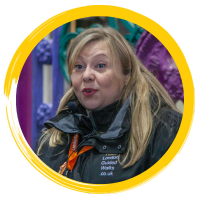
David Turnbull is an accredited guide with the Lambeth Tour Guides Association. A former chef, he has worked in the kitchens of numerous restaurants, clubs, and casinos across London’s West End.
For many years, David also served as a national officer for a major UK trade union, representing hotel, restaurant, and bar workers. In this role, he held positions within both the European and global trade union bodies for hospitality and tourism, giving him a deep insight into the industry and its history.
When not guiding, David enjoys exploring London’s culinary and cultural scenes, combining his love of food and history to bring stories of the city to life for his guests.
Discover how London became one of the great centres of Victorian Gothic horror and vampire literature in this special World Dracula Day episode of the London History Podcast.
In celebration of World Dracula Day on 26th May — marking the anniversary of the publication of Bram Stoker’s Dracula in 1897 — Hazel Baker is joined by Gothic writer and London guide David Turnbull to explore the city’s literary, theatrical, and supernatural vampire connections.
From Byron and the Romantic poets to penny dreadfuls, Fleet Street publishing, the Lyceum Theatre, and Dracula’s London locations, this episode traces how Victorian London helped shape the modern vampire myth.
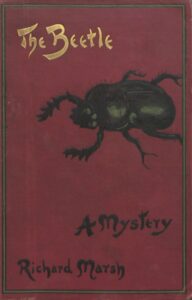
Front Cover for The Beetle – A Mystery | Written by: Richard Marsh, Public domain, via Wikimedia Commons
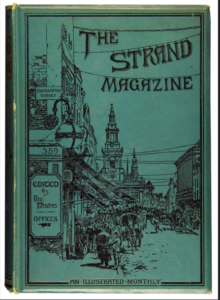
The Strand Magazine | Photo by MichaelMaggs; original artist unknown., Public domain, via Wikimedia Commons
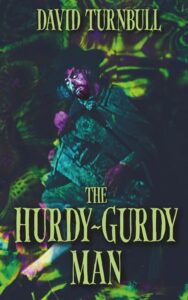
The Hurdy Gurdy Man | Written and Photo by: David Turnbull
Timestamps:
00:00 Introduction to World Dracula Day
01:00 David Turnbull and London Horror Tours
02:00 Hammer Horror and Gothic Inspiration
03:00 Origins of World Dracula Day
05:00 Whitby and Dracula Celebrations
05:45 Romantic Poets and Vampire Origins
06:30 Byron, Coleridge, and Christabel
07:40 Villa Diodati and the Ghost Story Challenge
08:30 Byron’s Fragment and Early Vampire Lore
09:20 Apocalyptic Skies and Gothic Imagination
10:00 Byron’s Piccadilly House and Dracula Connections
11:10 John Murray, Gothic Publishing, and Jekyll & Hyde
12:00 Soho, Polidori, and The Vampyre
13:10 French Stage Adaptations and Dumas
14:15 The Lyceum and Early Vampire Theatre
15:20 Frankenstein on Stage
16:00 Polidori’s Tragic End and Penny Dreadfuls
17:00 Fleet Street and Edward Lloyd’s Penny Dreadfuls
18:00 The Skeleton Count and Gothic Tropes
19:00 Varney the Vampire and Sweeney Todd
20:00 Immortality and Gothic Tragedy
From Romantic Poetry to Victorian Horror: How London Created Dracula
In this episode, Hazel and David trace the literary origins of the vampire long before Dracula first appeared in print. Beginning with Lord Byron, Samuel Taylor Coleridge, and the famous ghost story challenge at Villa Diodati, the discussion explores how Gothic poetry and Romantic literature helped shape the aristocratic vampire figure we recognise today.
The conversation follows the rise of early vampire fiction through John Polidori’s The Vampyre, French stage adaptations, Fleet Street penny dreadfuls, and sensational Victorian serials such as Varney the Vampire and The Skeleton Count.
Victorian London, Penny Dreadfuls, and Gothic Publishing
The episode explores the dark publishing world of Victorian London, including Fleet Street’s penny dreadful industry led by Edward Lloyd, whose serialised horror stories helped popularise Gothic fiction for mass audiences.
Hazel and David discuss:
Varney the Vampire and its influence on Dracula
Sweeney Todd and sensational Victorian horror
Carmilla and the origins of the female vampire
Fleet Street publishing culture and illustrated Gothic fiction
Victorian fears surrounding immortality, monstrosity, and identity
Bram Stoker, the Lyceum Theatre, and Dracula’s London
The discussion then turns to Bram Stoker himself — from his early life in Dublin to his work as theatrical manager at the Lyceum Theatre under actor Henry Irving.
Listeners discover how the theatrical world of Victorian London shaped Dracula, including:
The influence of Henry Irving
Gothic stage productions at the Lyceum
Literary dinners in the Beefsteak Room
Encounters with explorer Richard Burton
Professor Arminius Vambéry and Transylvanian folklore
Stoker’s research at the British Museum and London Library
The episode also explores Dracula’s London geography, including Piccadilly, King’s Cross, Hampstead Heath, Walworth, London Zoo, and Stoker’s own London home in Chelsea.
Dracula’s Legacy: Stage, Film, and Popular Culture
Hazel and David examine how Dracula evolved from a moderately successful Victorian novel into the world’s most portrayed literary character through stage adaptations, cinema, and international film.
The episode covers:
Hamilton Deane’s Dracula stage play
Bela Lugosi and Universal’s 1931 Dracula
Nosferatu and legal disputes
The rise of horror cinema
Dracula’s Guinness World Record for screen portrayals
International Dracula films and adaptations
The Hurdy Gurdy Man and Modern Gothic London
David also discusses his own Gothic London novel, The Hurdy Gurdy Man, inspired by Victorian horror traditions and set across Piccadilly and Hampstead Heath.
The novel draws on themes familiar to Dracula readers — mesmerism, aristocratic menace, imprisonment, and supernatural terror in London settings.
Listen to the Episode & Explore Gothic London
Listen to Episode 159 – “World Dracula Day: London’s Vampire Connections from Byron to Bram Stoker” on the London History Podcast to explore:
Romantic poets and early vampire lore
Penny dreadfuls and Victorian Gothic fiction
Bram Stoker and the Lyceum Theatre
Dracula’s London locations
Victorian stage horror and cinema
The evolution of the vampire myth in popular culture
Walk Gothic London with David and Hazel
Want to explore London’s darker literary history in person?
Walk London with Hazel and David
Join Hazel and David on a London history walking tour exploring Gothic fiction, Victorian horror, monsters, myths, and the real streets behind Dracula and Jekyll & Hyde.
To provide the best experiences, we use technologies like cookies to store and/or access device information. Consenting to these technologies will allow us to process data such as browsing behaviour or unique IDs on this site. Not consenting or withdrawing consent, may adversely affect certain features and functions.
Functional
Always active
The technical storage or access is strictly necessary for the legitimate purpose of enabling the use of a specific service explicitly requested by the subscriber or user, or for the sole purpose of carrying out the transmission of a communication over an electronic communications network.
Preferences
The technical storage or access is necessary for the legitimate purpose of storing preferences that are not requested by the subscriber or user.
Statistics
The technical storage or access that is used exclusively for statistical purposes.The technical storage or access that is used exclusively for anonymous statistical purposes. Without a subpoena, voluntary compliance on the part of your Internet Service Provider, or additional records from a third party, information stored or retrieved for this purpose alone cannot usually be used to identify you.
Marketing
The technical storage or access is required to create user profiles to send advertising, or to track the user on a website or across several websites for similar marketing purposes.


 Hazel Baker:
  Katharine Hogg